
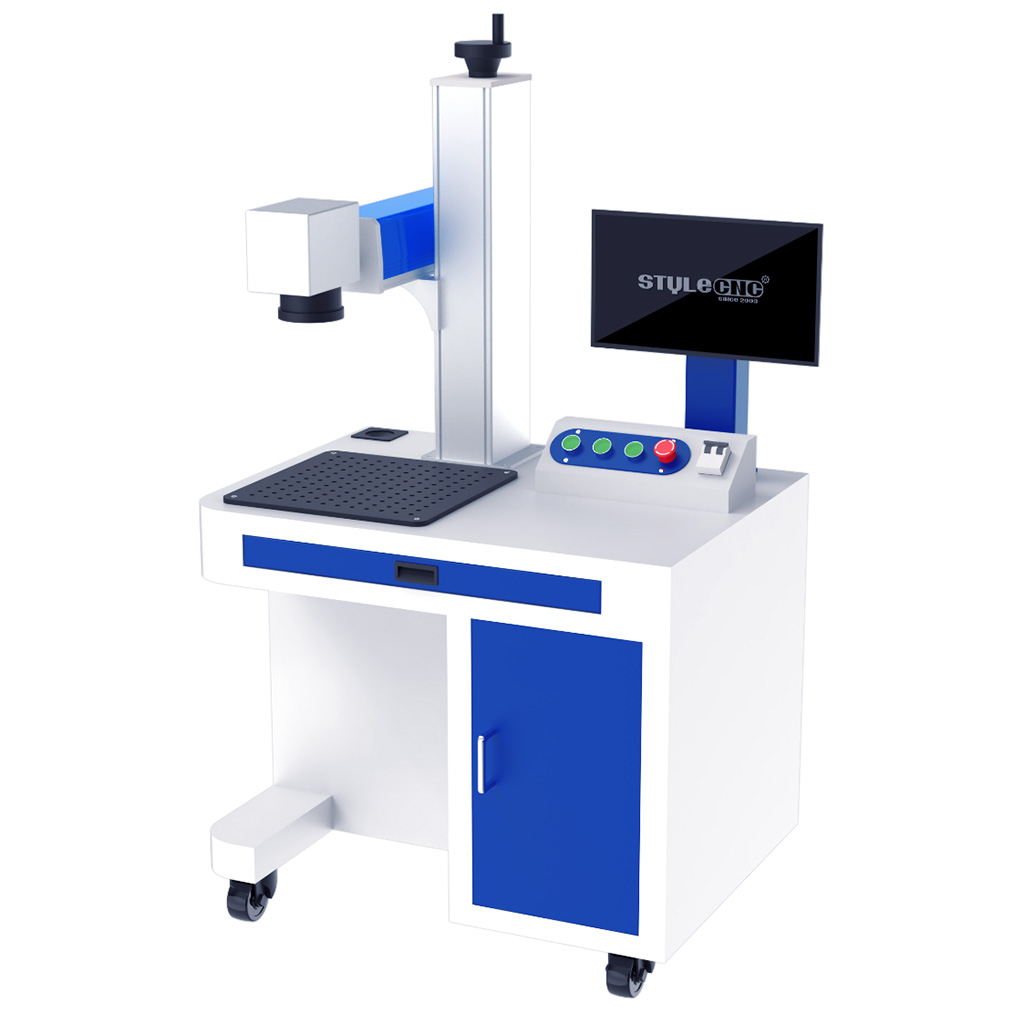
This fiber laser engraver is perfect for my custom gun engravings of AR-15, carbine, shotgun, pistol, and short barrel rifle. Its performance and speed blew my mind away, creating crisp signs and logos in seconds. The standout feature of the STJ-50F is its outstanding accuracy and repeatability (multiple engravings are required to create a relief), which ensures complex and detailed deep engraving. The rotary attachment works great for engraving gun barrels. In addtion, the included EZCAD software is beginner-friendly, straightforward, easy to setup and use, no experience required. What I am not satisfied with is that the 12x12 inch working table is limited to those oversized engravings. I regret not thinking of buying a portable model with a handheld laser gun before purchasing it.
Top Rated Laser Metal Engraving Machines You Can Buy In 2026
In 2026, metal engraving is trending towards personalization, customization, and sustainability. There is a growing demand for customized engraving on a variety of items such as jewelry, gifts, crafts, tags, parts, home decor, and industrial applications. Laser engraving technology is becoming increasingly popular due to its high precision, ability to create complex designs, low cost without consumables, and environmentally friendly and pollution-free characteristics. In addition, the integration of technologies such as 3D engraving, deep engraving, relief engraving, color engraving, rotary engraving, and flying engraving are enhancing the creativity of laser metal engraving and expanding the possibilities of this process. Do you have an idea to pick your best laser engraver for metal in 2026? Explore STYLECNC picks of the 10 most popular laser metal engraving machines for etching, branding, marking and engraving metal parts, labels, credit cards, artwork, crafts, coins, guns, firearms, jewelry made of steel, aluminum, copper, gold, silver, titanium and brass. From hobbies to industrial types, from home to commercial use, from entry-level to professional, from budget-friendly models to top-of-the-line, everything is available at STYLECNC. Whether you are a beginner or an expert, you can find the best one that matches your business.
Metal Laser Engraver List
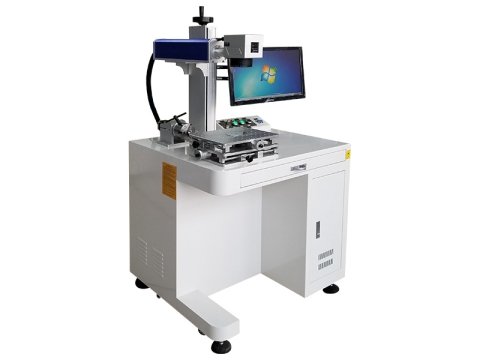
Rotary Fiber Laser Engraver for Cups & Tumblers on Sale
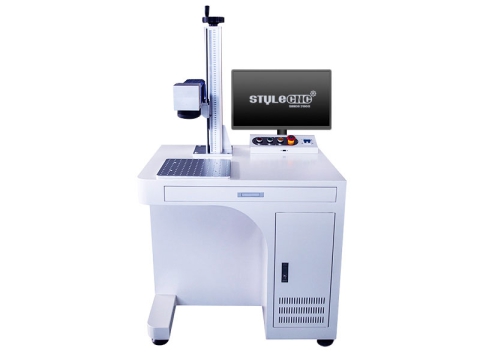
50W Fiber Laser Deep Engraving Machine for Metal
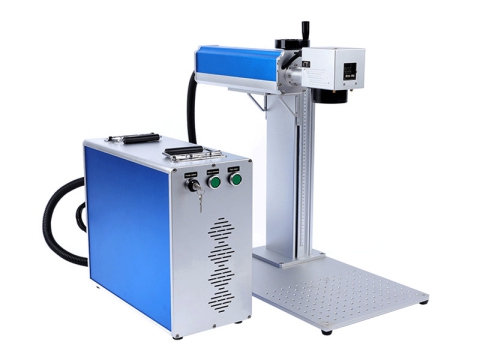
2026 Best Laser Engraver for Gun Stippling & Grip Texturing
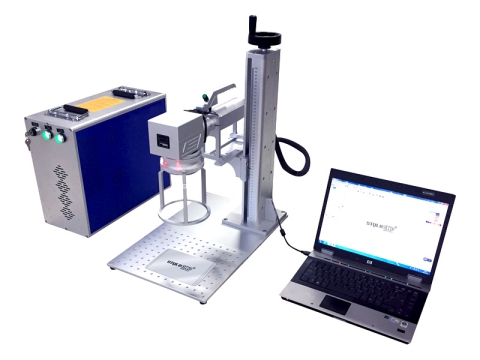
Mini Handheld Fiber Laser Marking Machine 20W, 30W, 50W
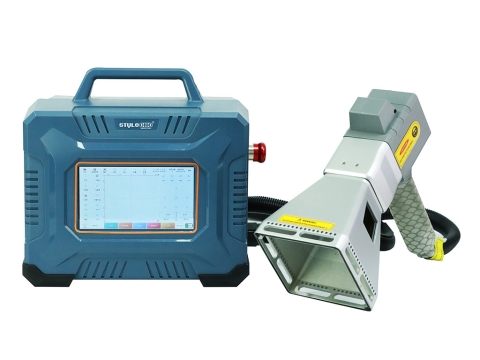
Battery-Operated Portable Handheld Fiber Laser Engraver
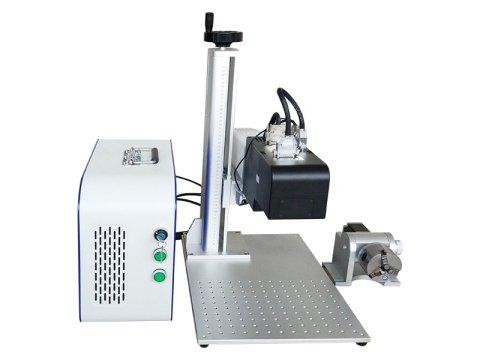
3D Fiber Laser Engraver with Rotary Attachment for Sale
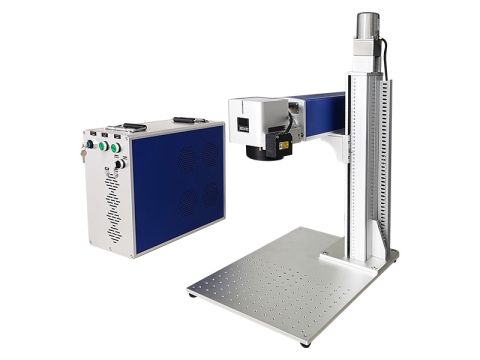
Color Laser Marking Machine with MOPA Fiber Laser Source
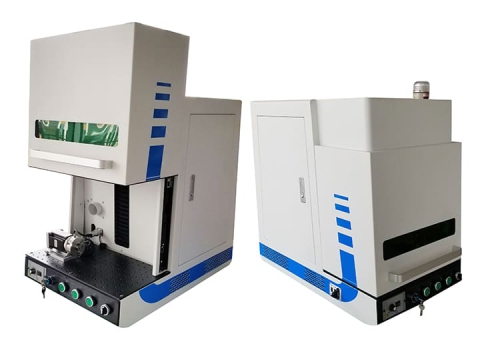
2025 Top Rated Deep 3D Laser Engraving Machine for Sale
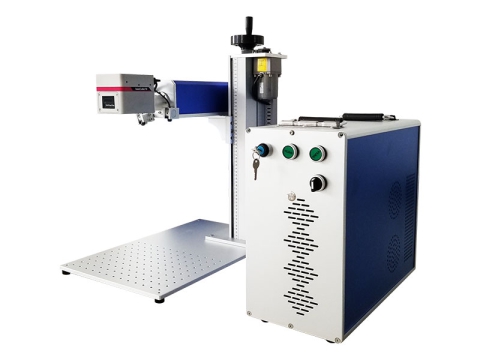
Fiber Laser Metal Engraver for Silver, Gold, Brass, Copper
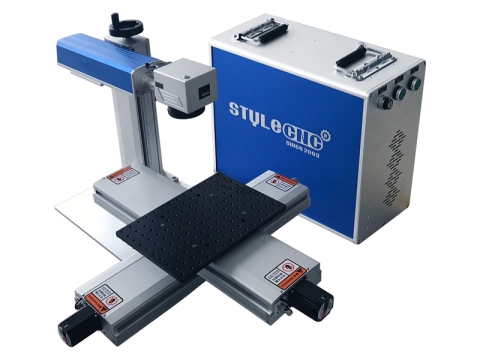
2025 Best Budget Fiber Laser Engraver with XY Moving Table
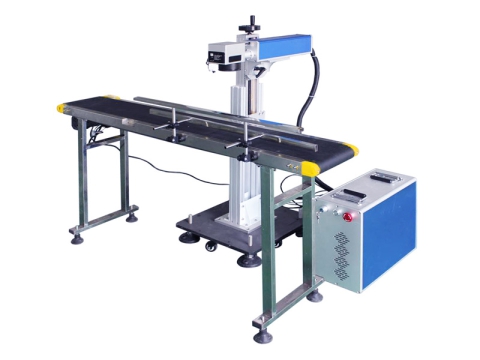
Online Flying Fiber Laser Marking System for Parts & Tools
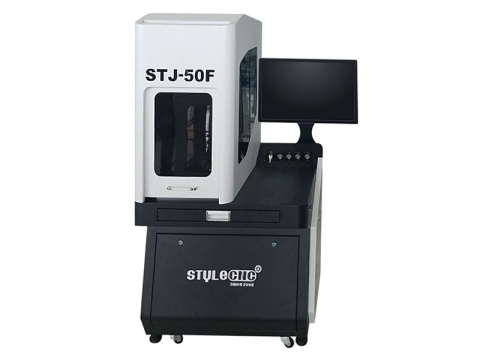
Hobby Fiber Laser Engraver for Small Business, Home Shop
How to Start Metal Engraving with Laser?
Definition & Meaning
Metal laser engraver is a type of laser marking tool with fiber laser source for creating 2D/3D metal engravings on stainless steel, carbon steel, aluminum, galvanized steel, silver, alloy, gold, copper, titanium, iron and brass. Laser metal engravers can handle 2D engraving, color engraving, rotary engraving, deep engraving and 3D engraving on most metal surfaces. A laser metal engraving machine uses a focused high-energy laser beam to remove specific parts from metal materials, so as to create your desired metal engraving. In metal engraving applications, the laser beam is like a chisel used in CNC carving, chiseling away excess metal material. A laser engraver is the best way to engrave metals without mechanical tools.
How It Works
A laser engraver works with a DSP or CNC controller to direct a highly focused beam of light (laser) to melt, vaporize, or oxidize metal materials, and remove excess parts from metallic surfaces to create permanent marks.
Laser metal engraving machines use MOPA fiber laser sources for color engraving on stainless steel and titanium, rotary attachments for marking on rings, bracelets and bangle jewelry, MOF(Marking On Fly) systems for continuous engraving, high laser power for deep engraving on metals, and 3D laser technology for marking on aspherical surfaces, bevels, rollers, pipes, cylinders and most curved surfaces.
Uses & Applications
Laser metal engravers are used for engraving, etching or marking on stainless steel, aluminum alloy, alumina, tungsten steel, zinc alloy, titanium alloy, gold, silver, copper, iron, bamboo products, leather products, plastics, silica gel, paper, acrylic, glass, ceramics, jade, porcelain, PC board, PU and other materials.
Metal laser engraving machines are applied in electronic components, hardware products, tool accessories, integrated circuits (IC), electrical appliances, mobile communications, precision equipment, glasses and watches, jewelry, auto parts, plastic buttons, building materials, PVC pipes, PPR Pipe, medical equipment and other industries.
Technical Parameters
| Brand | STYLECNC |
| Laser Types | Fiber Laser |
| Laser Power | 20W, 30W, 50W, 60W, 100W |
| Controller | DSP Controller / CNC Laser Control System |
| Engraving Content | Letter, Number, Word, Name, Sign, Logo, Tag, Pattern, Picture |
| Engraving Materials | Aluminum, Carbon steel, Stainless steel, Galvanized steel, Silver, Alloy, Gold, Copper, Titanium, Iron, Brass |
| Applications | Metal Tags, Metal Arts, Metal Crafts, Metal Gifts, Metal Electronic Components, Metal Instruments, Metal Meters, Metal Hardware, Metal Jewelry, Metal Keyboard, Metal Mobile/iPhone Case, Guns, Firearms, Weapons, Package, Metal Coins |
| Price Range | $3,000.00 - $22,000.00 |
Pros & Cons
Compared with traditional mechanical metal engraving tools, laser engravers have many advantages in metal fabrication.
• Non-contact processing - Laser metal engraving uses non-mechanical "light knife" (no contact required) for creating marks on any regular or irregular surface, eliminating fixtures and fixing tools, and no internal stress, ensuring the original accuracy of the workpiece.
• Environmental protection - no corrosion, no "tool" wear, no toxicity, no pollution.
• Automatic finishing - The high precision feature is ideal for engraving complex designs.
• Permanent marking - The engravings will not fade due to environmental factors (such as touch, acidic and reducing gases, high temperature, low temperature.) with strong anti-counterfeiting properties.
• Low operating cost - Fast engraving speed, one-time molding, low energy consumption, and low operating cost.
Although the initial investment of a laser metal etching machine is much more expensive than traditional mechanical engraving tools, the operating cost is much lower.
Features
Laser metal engraving machine uses a light beam to make permanent marks on the surface of various materials. The effect of engraving is to expose deep material through the evaporation of surface material, or to engrave traces by light energy causing chemical and physical changes on the surface material, or to burn off part of the metal material through light energy to show the text or pattern to be etched.
• Lasers can engrave most metal or non-metal materials.
• The laser is processed with non-mechanical "tools", which does not produce mechanical extrusion or mechanical stress on the material, has no "tool" wear, is non-toxic and rarely causes environmental pollution.
• The laser beam is very thin, so that the consumption of the processed material is small.
• During engraving, it will not generate X-rays like electron beam bombardment and other processing methods, nor will it be interfered by electric and magnetic fields.
• The operation is simple, the use of computer numerical control technology can realize automatic processing, can be used for high-speed and high-efficiency processing of parts and components on the production line, and can be used as a part of the flexible processing system.
• The precision workbench can be used for fine micro processing.
• Use a microscope or camera system to observe or monitor the condition of the processed surface.
• Lasers can pass through light-transmitting materials (such as quartz, glass) to process its internal parts.
• The prism and mirror system can be used to focus the beam on the inner surface or inclined surface of the workpiece for processing.
• Can mark bar codes, numbers, characters, patterns and other signs.
• The line width of these signs can be as small as 12mm, and the line depth can be up to 10mm or less, so it can mark the zero surface of the "millimeter" size.
When the common metal materials are engraved, lines with a depth of several microns or more (the width can be several microns to tens of microns) are ablated from the surface to make the color and reflectivity of the lines different from the original ones, resulting in visual contrast, so that people can be sensitive to these lines (and the shape codes, numbers, patterns, trademarks, etc. formed by the lines). For glass, these ablated lines have a "dullening" effect. For plastics, due to the photochemical reaction and ablation, there are visual contrast and smoldering effects. If the surface of the material is coated with a special colored substance for marking, the colored substance will be fixed (a high temperature ablation with the material) on the line and make it colored.
Shallow Engraving vs. Deep Engraving for Metal
Laser metal engraving comes in two types: shallow engraving and deep engraving (relief engraving). Generally, the depth of light engraving is 5-25mm, the depth of deep engraving is generally deeper, and the specific depth depends on the different metals, the laser power and the time of engraving.
Shallow engraving is typically used for permanent marking on the surface of various tools and parts. Deep engraving is mainly used for engraving abrasive tools and seals.
In short, the engraving depth is related to factors such as the absorption of the laser by the engraved material, the power of the laser, and the action time of the laser on the engraved metal. Deep engraving usually requires a longer action time. Deep and light engravings can be carried out on the surface of various metal materials, such as signs, identification codes, company logos, and more complex images.
How to Choose the Right Laser Metal Engraving Machine?
Selecting a laser engraving machine for metal depends on four primary factors: the metals you work with, the type of mark you need, your production volume, and your budget. The table below maps common metal engraving applications to the ideal laser type and power range.
| Application | Laser Type | Min. Power | Metals | STYLECNC Model |
|---|---|---|---|---|
| Serial numbers, barcodes, logos | Fiber | 20W | All metals | Desktop Fiber Laser |
| Deep engraving, relief etching | Fiber | 50W | Steel, titanium, brass | 50W Deep Engraver |
| Color marks on stainless steel | MOPA Fiber | 30W | Stainless, titanium | MOPA Color Engraver |
| Gun stippling, firearm marking | Fiber / IPG | 50W | Steel, polymer frames | Gun Stippling Laser |
| On-site field marking, large parts | Portable Fiber | 20W | All metals | Handheld Portable Laser |
| 3D relief, multi-layer depth | Fiber | 30W | Steel, aluminum, copper | 2.5D Fiber Engraver |
For a complete overview of all laser engraving types, marking methods, and surface effects, see the laser engraving types guide.
Metal Laser Engraving Setup Checklist for Beginners
Getting clean, consistent results on metal from day one requires proper preparation. Follow this checklist before running your first engraving job:
✓ Clean the metal surface with isopropyl alcohol to remove oils, dust, and fingerprints
✓ Secure the workpiece firmly on the engraving bed using clamps or a magnetic fixture
✓ Set the focal height accurately using the machine's red light focus pointer or measuring gauge
✓ Start with conservative power settings (30–50%) and moderate speed (50–70%), then adjust based on test results
✓ Run a test pass on scrap material of the same type and thickness before committing to the final piece
✓ Wear OD5+ laser safety glasses rated for 1064nm (fiber) or 10.6μm (CO2) wavelengths at all times
✓ Connect fume extraction or ventilation, especially when engraving coated metals or plastics
For detailed operational procedures, safety guidelines, and parameter recommendations, refer to the laser engraving and cutting machine safety guide.
Why Choose STYLECNC for Metal Laser Engraving?
• 20+ Years of Manufacturing Expertise: Jinan Style Machinery Co., Ltd. has engineered precision laser systems since 2003, serving customers across 100+ countries
• Premium Laser Sources: IPG (Germany), Raycus, JPT, and MAX fiber generators with 100,000+ hour rated operational lifespan
• Full Product Range: From $1,400 handheld units to $6,500 MOPA color systems, covering hobby, small business, and industrial applications
• Free Sample Testing: Send your material samples for a complimentary test engraving before purchase to verify mark quality
• Lifetime Technical Support: 24-month machine warranty backed by free lifetime remote diagnostics, parameter optimization, and replacement parts availability
Frequently Asked Questions
Q: What is the best laser type for engraving bare metals like steel and aluminum?
A: A fiber laser operating at 1064nm wavelength is the gold standard for direct metal engraving. It marks stainless steel, aluminum, brass, copper, titanium, and alloys without coatings or spray. CO2 lasers require a marking compound (like CerMark) on bare metal, making fiber lasers far more practical for metal-only workflows.
Q: Can a laser engraving machine cut through metal or only mark the surface?
A: Standard 20W–50W fiber marking lasers are designed for surface engraving and etching only. They can cut very thin metals (under 0.5mm) with multiple slow passes, but this is impractical for production. For actual metal cutting, a dedicated fiber laser cutting machine with 1000W+ power is required.
Q: How deep can a fiber laser engrave into metal?
A: A 20W fiber laser achieves approximately 0.02–0.05mm depth per pass. A 50W unit reaches 0.1–0.3mm depth with multiple passes. For deeper relief engraving (0.5mm+), 60W–100W lasers with optimized multi-pass settings and slower speeds are recommended. Depth also varies by metal hardness.
Q: What is the difference between a fiber laser and a MOPA laser for metal engraving?
A: A standard fiber laser uses fixed pulse width, ideal for general engraving, marking, and deep etching on metals. A MOPA fiber laser adds adjustable pulse duration (2ns–200ns), unlocking color marking on stainless steel, high-contrast marks on anodized aluminum, and cleaner results on sensitive plastics. MOPA is the more versatile option if your work involves diverse materials.
Q: Do I need a rotary attachment to engrave rings, cups, and cylindrical parts?
A: Yes. A rotary chuck attachment spins the cylindrical object under the laser beam in sync with the marking software. Most STYLECNC fiber laser engravers accept an optional rotary accessory that accommodates rings, cups, tumblers, pens, and barrel-shaped items up to 100mm diameter.
Q: What software do STYLECNC metal laser engravers use?
A: All STYLECNC fiber laser engravers ship with EzCad2 marking software, which accepts DXF, AI, PLT, BMP, JPG, PNG, and TIF file formats. The software supports text, barcodes, QR codes, serial number sequencing, bitmap photo engraving, and vector graphics with full parameter control for power, speed, frequency, and hatch spacing.
Q: Is it safe to use a fiber laser metal engraver without an enclosure?
A: Not recommended. Fiber lasers emit invisible 1064nm infrared beams that cause permanent eye damage from direct or reflected exposure. At minimum, wear OD5+ laser safety glasses and angle reflective materials away from perpendicular to the beam path. For workshop and commercial environments, a full enclosure with interlock switches is strongly advised for OSHA and CE compliance.
What Our Customers Say?
Don't take our words as everything. Find out what customers say about our laser metal engraving machines they have owned or experienced. Why is STYLECNC considered a credible brand and manufacturer to buy a new laser metal engraving machine? We can talk all day about our quality products, 24/7 excellent customer service and support, as well our 30-day return and refund policy. But wouldn't it be more helpful and relevant for newbies and professionals alike to hear real-life customers experience what it's like to purchase and operate an automatic computer-controlled machine tool from us? We think so too, which is why we've collected tons of genuine feedback to help bring transparency to our unique buying process in-depth. STYLECNC guarantees that all customer reviews are real evaluations from those who have purchased and used our products or services.