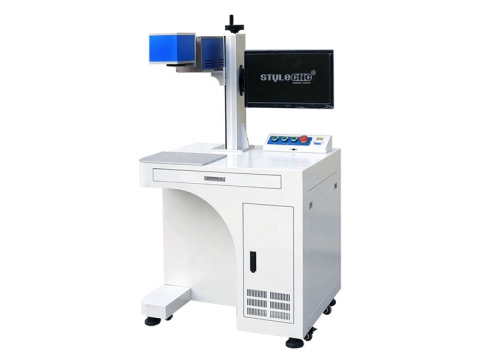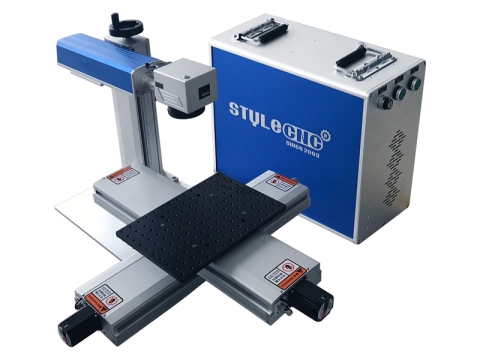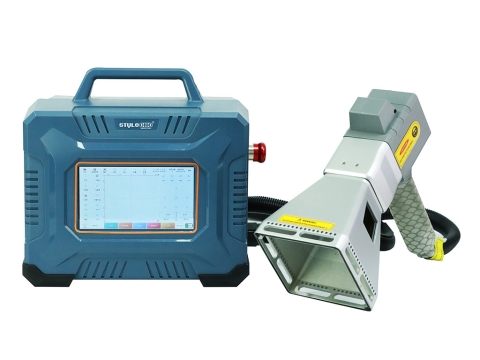
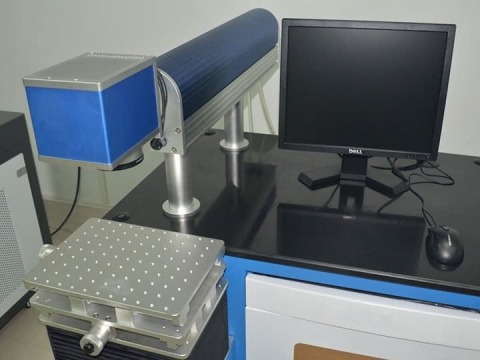
I bought the fiber laser marking machine as I was intrigued on how well it would work for the price it is. I am so glad that I did, it's an amazing laser machine. It can etch an area of about 7.9 inches square with amazing detail.
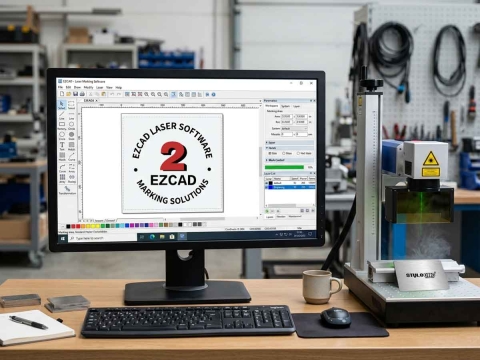
Software is easy to download and install, drivers etc. Also included in the drivers package is software for the engraving process. Once it's connected up the software takes minutes to get your head around. You can find the centre of the engraver and also the rectangular shape of what your pattern will be which is very handy for positioning.
Desktop Fiber Laser Engraver for Metal & Polymer Plastics
Last Updated: 2026-03-19 08:55:50
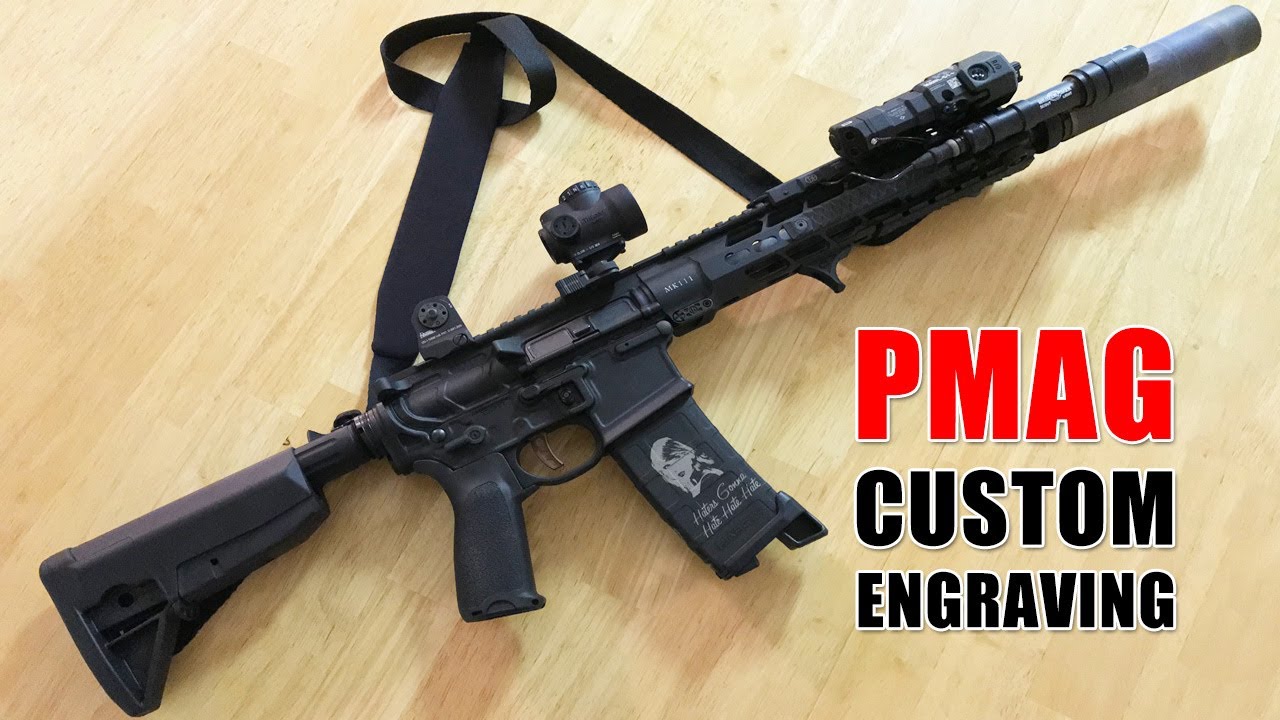
Desktop fiber laser engraving machine is a deep laser marking system for stippling metal, polymer plastics, which is a laser etching machine to personalize, customize or DIY credit cards, PMAGs, guns, signs, parts, tools, arts and crafts.
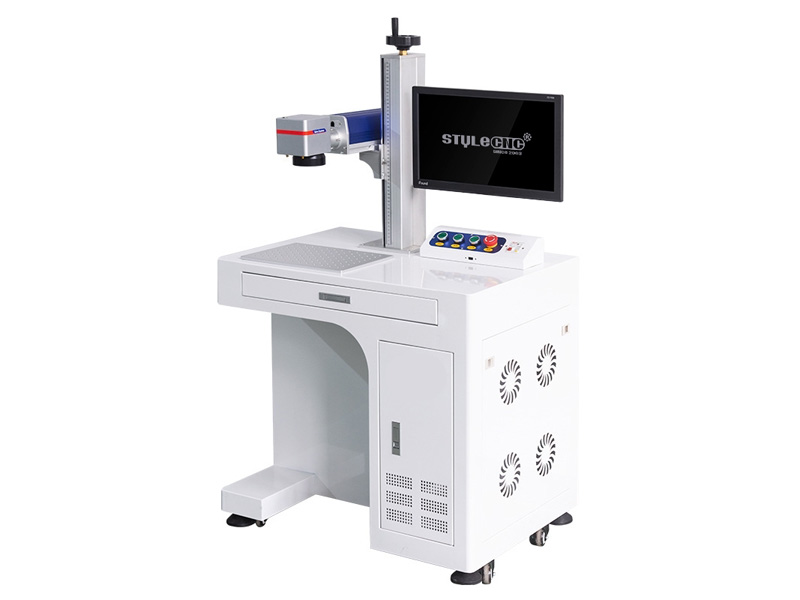
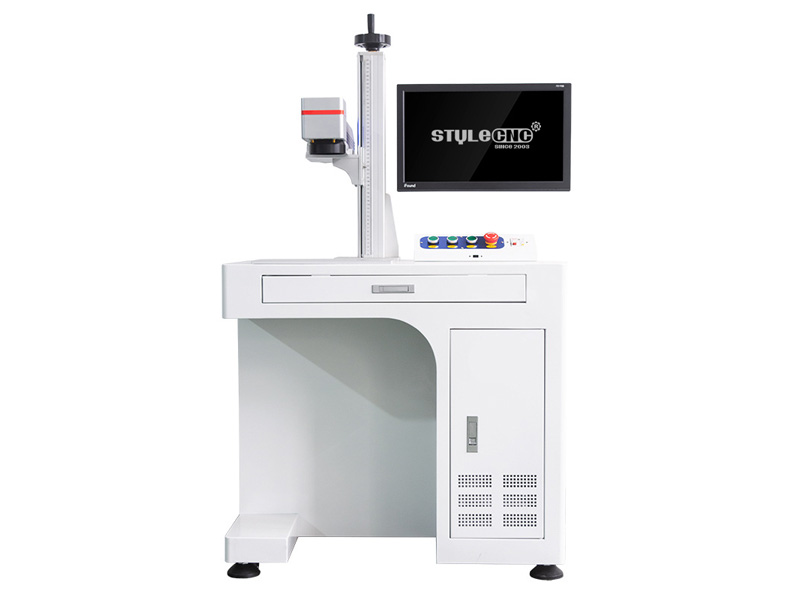
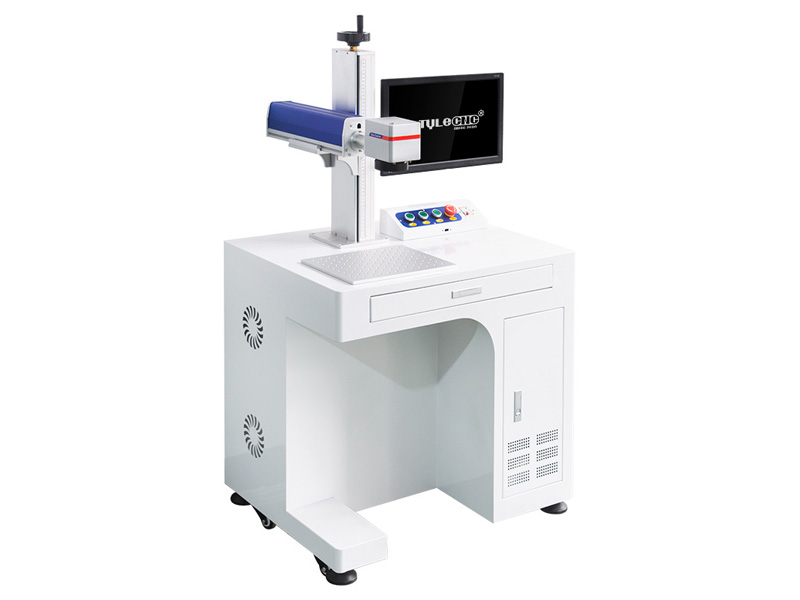
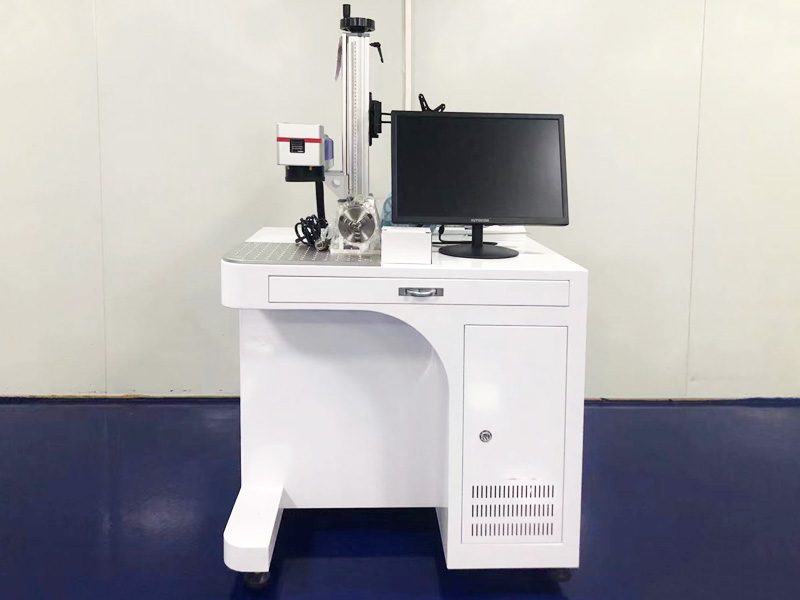
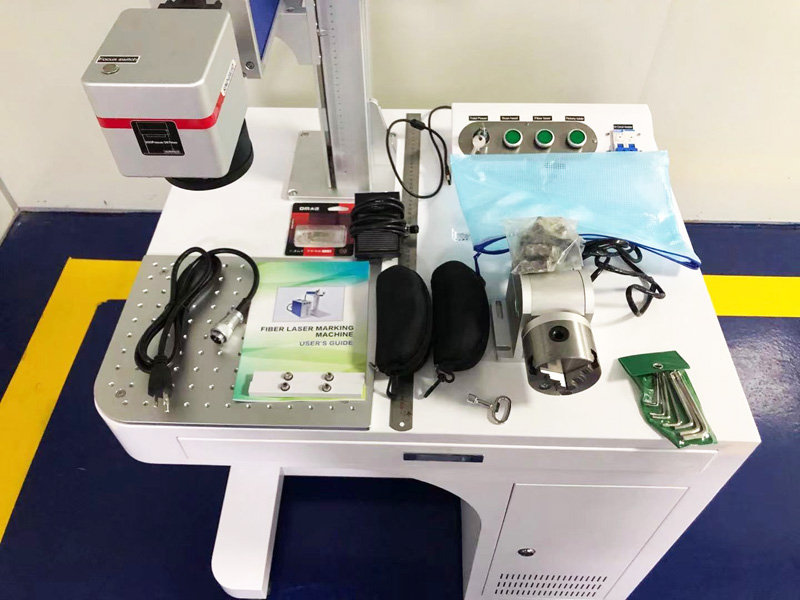
- Brand - STYLECNC
- Model - STJ-100F-D
- Maker - Jinan Style Machinery Co., Ltd.
- Category - Fiber Laser Marking Machine
$3,600 - $6,800 for Basic & Pro Editions
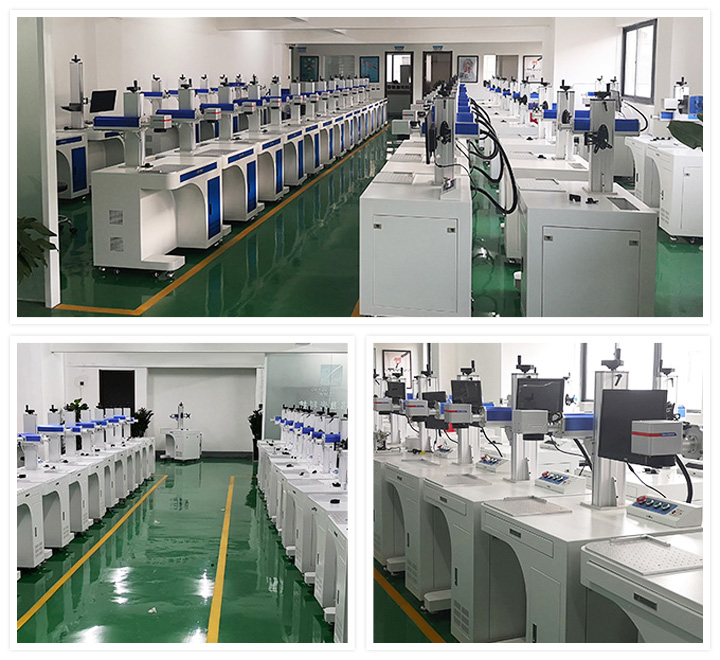
- 320 Units in Stock Available for Sale Every Month
- Meeting CE Standards in Terms of Quality & Safety
- One-Year Limited Warranty for Entire Machine (Extended Warranties Available for Major Parts)
- 30-Day Money Back Guarantee for Your Purchase
- Free Lifetime Technical Support for End-Users & Dealers
- Online (PayPal, Alibaba) / Offline (T/T, Debit & Credit Cards)
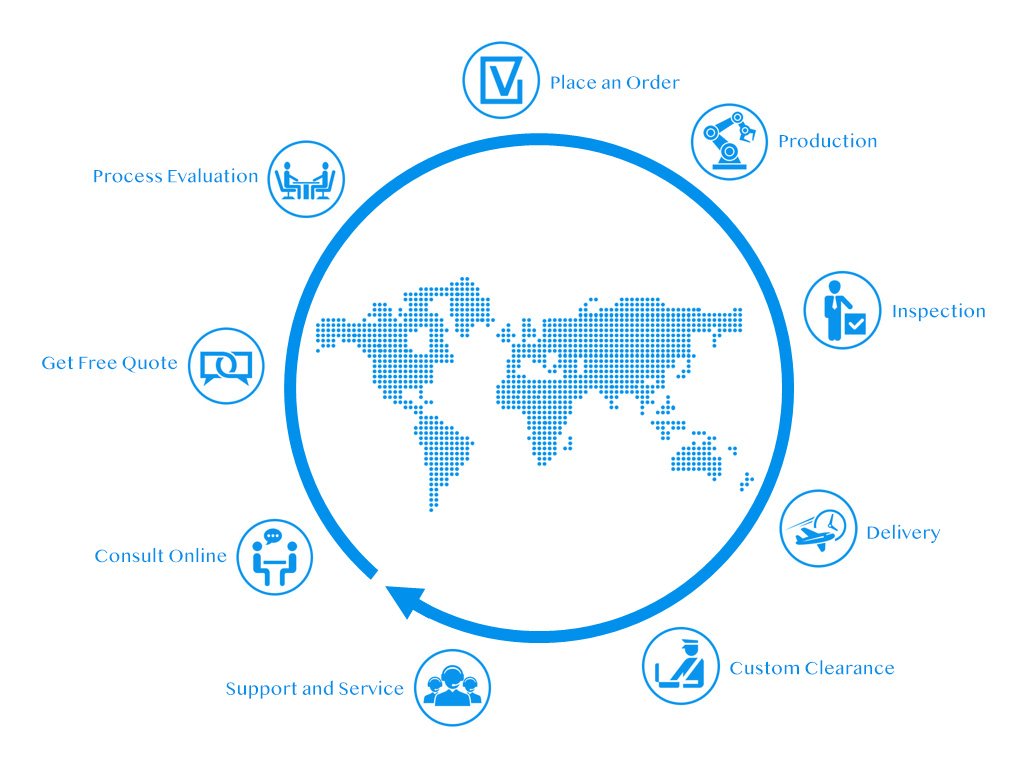
- Global Logistics and International Shipping To Anywhere
Features of Desktop Fiber Laser Engraving Machine for Metal & Polymer Plastics

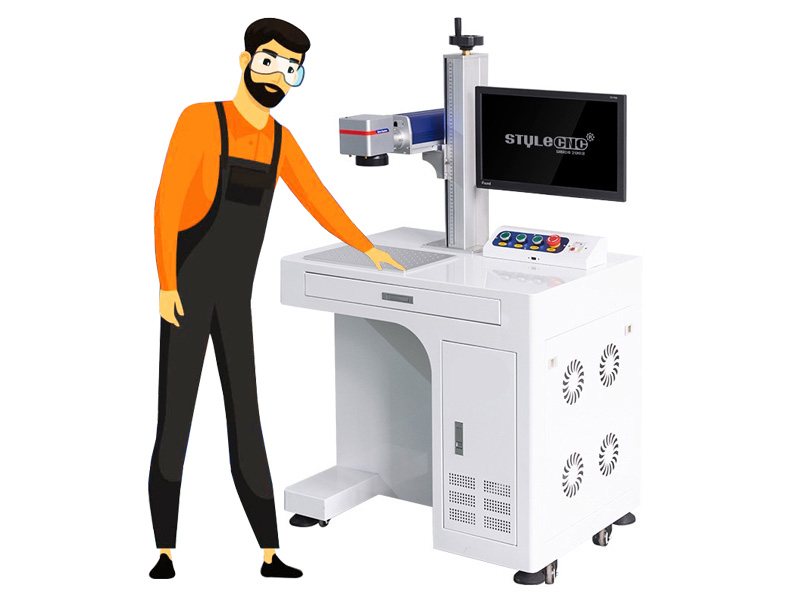
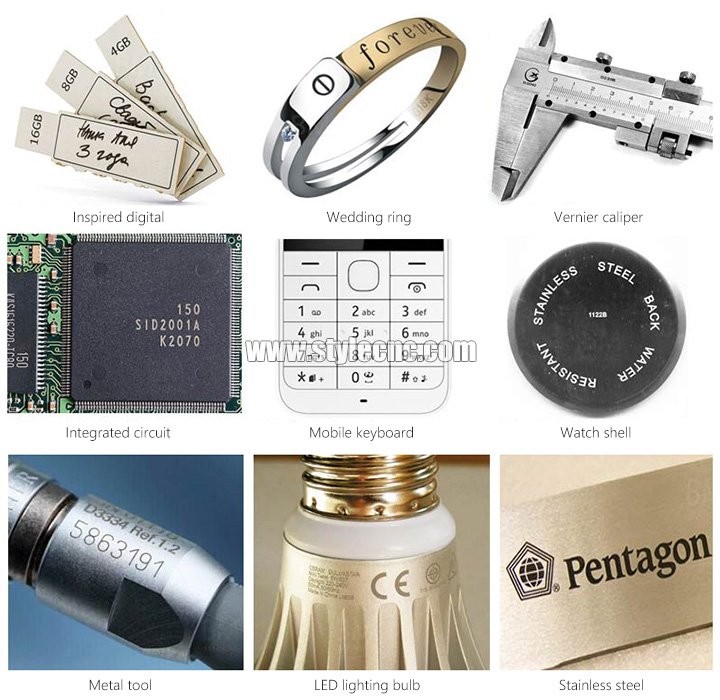
The desktop fiber laser engraving machine is the third generation laser marker system. It adopts optical fiber laser to output laser and realizes marking function through high speed scanning galvanometer system.The fiber-optic laser stippling machine features high electro optic conversion efficiency, air cooling, small size, materials and widely used in the fields that have high requirement on depth, smoothness and fine details, such as stainless steel mobile phone overlay, clock and watch, mould, IC, mobile phone keypad, parts, and tools. Bit map marking can engrave beautiful pictures on the surfaces of metal and plastic, and the marking speed is 3 to 12 times of the speed of traditional first generation lamp pump marker and second generation semiconductor marker. Fiber optic laser stippling machine is used to output laser, featuring high electro optic conversion efficiency, small size and high light beam quality.


Technical Parameters of Desktop Fiber Laser Engraving Machine for Metal & Polymer Plastics
| Model | STJ-100F |
| Laser Power | 100W |
| Laser Wavelength | 1064nm |
| Fiber Cable Length | 2m |
| Pulse Width | 200ns |
| Repetition Frequency Range | 1-600kHz |
| M2 | <1.5 |
| Max.Single Pulse Energy | 0.8mJ |
| Output Power Stability | <5% |
| Output Beam Diameter | 7±0.5mm |
| Power Range | 0-100% |
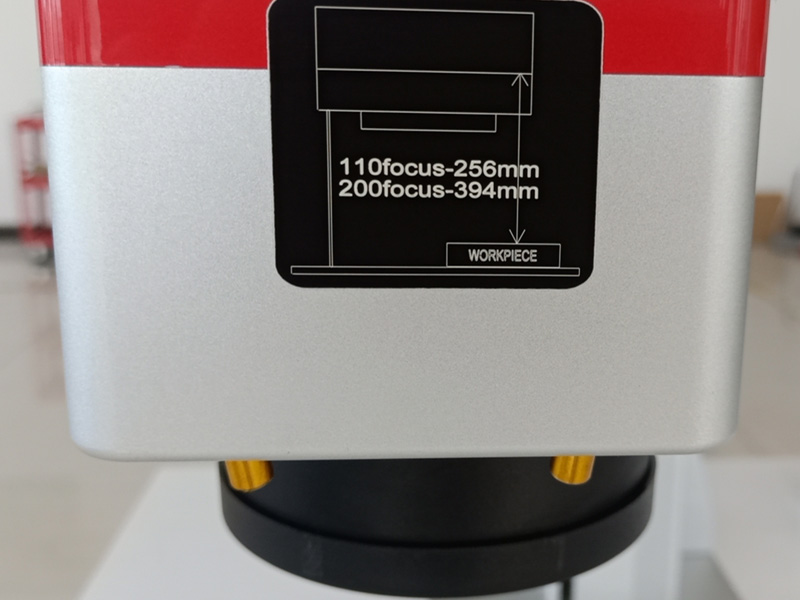
| Marking Range | 110*110mm/200*200mm/300*300mm |
| Minimum Line Width | 0.01mm |
| Minimum Character | 0.1mm |
| Marking Speed | ≤7000mm/s |
| Marking Depth | Depend on materials |
| Repeatability Accuracy | ±0.001mm |
| Marking Format | Graphics, text, bar codes, QRcode, automatically date, batch number, serial number,etc. |
| Graphic format supported | Ai, plt, dxf, dst, svg, nc, bmp, jpg, jpeg, gif, tga, png, tiff, tif |
| Working Voltage | 220V±10%/50Hz or 110V±10%/60Hz or customized |
| Unit Power | <0.5kw |
| Working Environment | Clean and dust free or dust less |
| Working Condition Humidity | 5%-75%, 0-40 degree, free of condensed water |
| Laser lifetime | >100000 hours |
| Net weight | 160kgs |
| Packing Size | 770*870*1550mm |
Desktop Fiber Laser Engraving Machine Applications
Applicable Industries
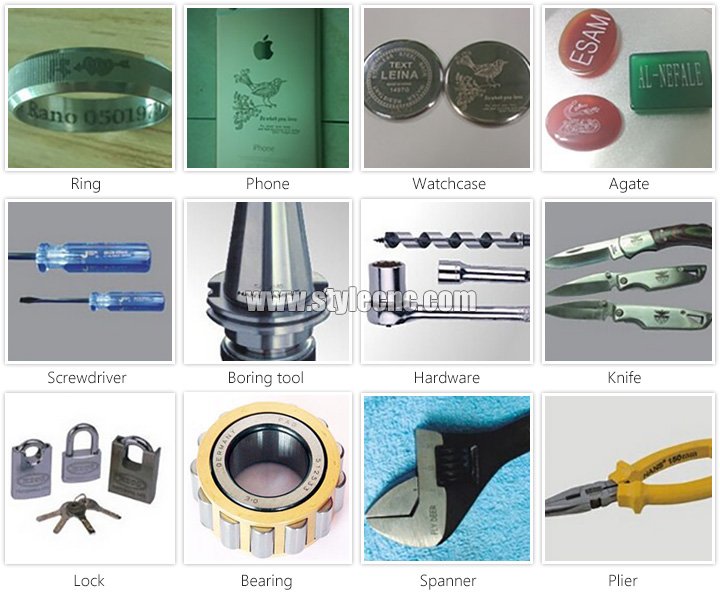
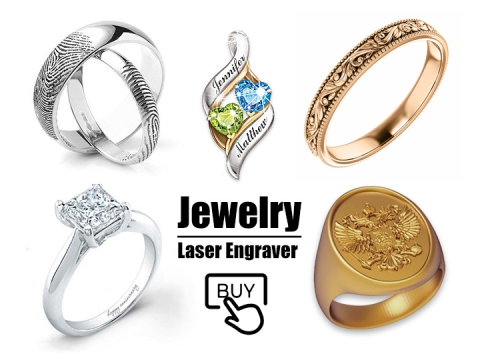
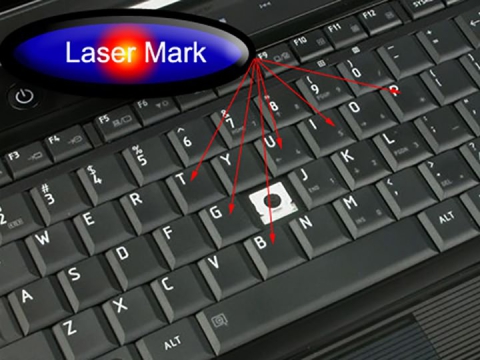
Precision instruments, computer keyboards, auto parts, metal credit cards, plumbing parts, communications equipment, medical equipment, bathroom equipment, hardware tools, luggage decoration, electronic components, home appliances, watches, molds, gaskets and seals, data matrix, jewelry, cell phone keyboard, buckle, kitchenware, knives, cooker, stainless steel products, aerospace equipment, integrated circuit chips, computer accessories, signs molds, elevator equipment, wire and cable, industrial bearings, building materials, hotel kitchen, military, pipelines, tobacco industry, bio-pharmaceutical industry, liquor industry, food packaging, beverage, health care products, plastic buttons, bathing supplies, business cards, clothing accessories, cosmetics packaging, car decoration, wood, logos, characters, serial number, bar code, PET, ABS, pipeline, advertising, logo.
Applied Materials
All metals: gold, silver, titanium, copper, alloy, aluminum, steel, manganese steel, magnesium, zinc, stainless steel, carbon steel, mild steel, alloy steel, electrolytic plate, brass plate, galvanized sheet, aluminum, alloy plates, sheet metals, rare metals, coated metal, anodized aluminum and other special surface treatment, electroplating the surface of the aluminum-magnesium alloy surface oxygen decomposition.
Non-metallic: non-metallic coating materials, industrial plastics, hard plastics, rubber, ceramics, resins, cartons, leather, clothes, wood, paper, plexiglass, epoxy resin, acrylic resin, unsaturated polyester resin material.
Desktop Fiber Laser Engraver for Metal & Polymer Plastics Projects
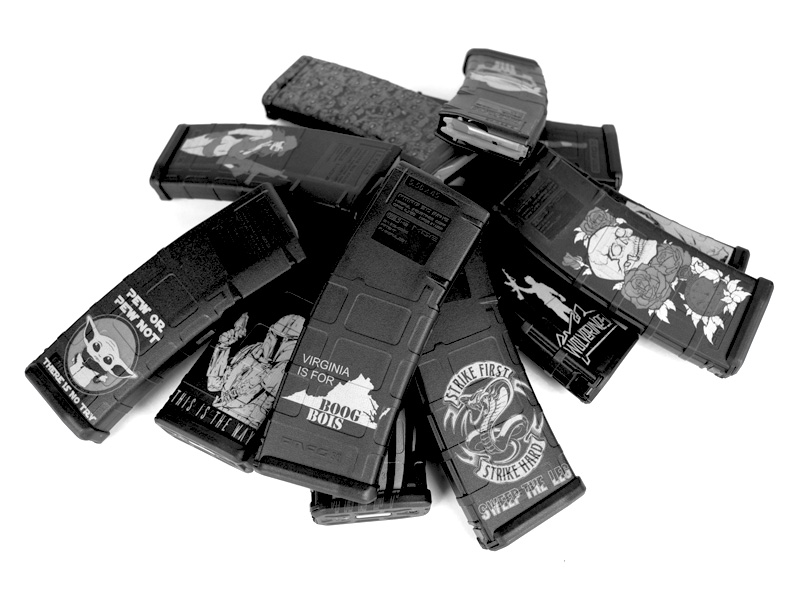
Fiber Laser Engraved PMAGs of Polymer Plastics
Trading Process for Desktop Fiber Laser Engraver for Metal & Polymer Plastics
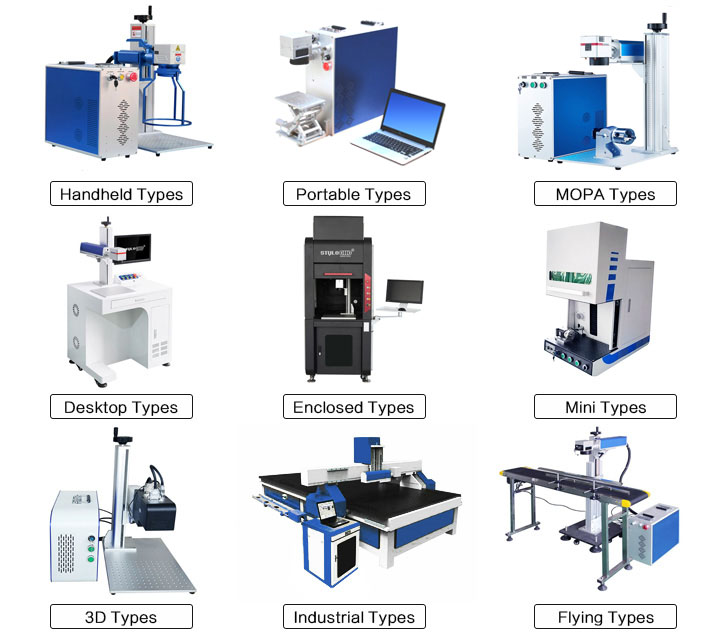
Different Fiber Laser Marking Machines for Metal & Polymer Plastics
How to Optimize Fiber Laser Settings for Polymer Plastics?
Marking polymer plastics with a desktop fiber laser requires a fundamentally different parameter approach than metal engraving. The primary mechanism involves thermal chemical reactions within the polymer substrate, where laser energy induces carbonization, foaming, or color change depending on the plastic type and power configuration. Laser-compatible polymers including ABS, PVC, PE, PBT, and polycarbonate, respond well to fiber wavelengths when settings are correctly dialed in, while materials like acrylic and certain polyethylenes may require a UV laser marking system for clean, low-heat results.
For most polymer applications, reduce power to 20%–40% of maximum output, increase marking speed to 500–1000 mm/s, and lower frequency to 20–35 kHz. Lower frequency settings deliver higher peak power per pulse, which produces better contrast without melting the surface. Intentionally defocusing the beam slightly can also broaden the spot size and reduce localized heat, yielding cleaner marks on heat-sensitive plastics. Always run test passes on scrap material before committing to production, because even minor variations in polymer grade or pigmentation can significantly affect mark quality.
Desktop Fiber Laser vs. MOPA Laser: Which One Do You Need?
Standard Q-switched fiber lasers and MOPA (Master Oscillator Power Amplifier) fiber lasers both operate at the 1064nm wavelength, but they differ in pulse control flexibility. A standard desktop fiber laser uses a fixed pulse width, which works excellently for metal engraving, deep etching, and basic plastic marking. MOPA lasers add variable pulse duration control, typically from 2ns to 200ns, which unlocks advanced capabilities including color marking on stainless steel, high-contrast marking on sensitive plastics, and fine-detail annealing on surgical-grade metals.
For small businesses focused primarily on metal parts marking, serial number engraving, and general-purpose identification tasks, a standard desktop fiber laser like this unit delivers excellent value. If your workflow demands color effects on stainless steel, marking across diverse polymer types, or ultra-fine detail on medical devices, upgrading to a MOPA configuration is worth the additional investment. Both types integrate with the same fiber laser engraving systems with moving tables for handling larger or heavier workpieces beyond the standard marking field.
Maintenance Tips to Extend Your Desktop Fiber Laser Lifespan
Desktop fiber laser sources are rated for 100,000+ hours of operational life, but achieving that longevity requires consistent preventive maintenance. Keep the F-theta lens and protective window clean using lint-free optical wipes and isopropyl alcohol, as dust and debris on optical surfaces degrade beam quality and reduce marking contrast over time. Inspect the galvanometer mirrors monthly for contamination, and ensure the machine operates in a temperature-controlled environment between 15°C and 35°C to prevent condensation on internal optics.
The air cooling system requires periodic filter cleaning to maintain airflow across the laser source. Verify all cable connections quarterly, particularly the fiber optic connector between the source and marking head, as loose connections cause intermittent power drops and inconsistent mark depth. Keeping the laser marking machine software and firmware updated also prevents compatibility issues and ensures access to the latest parameter optimization features.
Frequently Asked Questions
Q: Can a desktop fiber laser mark on black plastic without burning through it?
A: Yes, but it requires careful parameter tuning. Reduce power to 15–30%, increase speed to 800–1200 mm/s, and lower frequency to create a visible color change (foaming or bleaching) without excessive heat penetration. MOPA lasers offer better control for dark plastics due to adjustable pulse width.
Q: What is the difference between laser engraving and laser annealing on metal?
A: Laser engraving physically removes material to create a recessed mark. Laser annealing heats the surface to produce a color change (typically black on stainless steel) without material removal, leaving a smooth, corrosion-resistant finish ideal for medical instruments and food-contact surfaces.
Q: How do I get color marks on stainless steel with a fiber laser?
A: Color marking on stainless steel requires a MOPA fiber laser with variable pulse duration. By adjusting pulse width, frequency, and power combinations, you can produce red, blue, green, and gold oxide layers. Standard fixed-pulse fiber lasers cannot achieve controlled color effects.
Q: Why is my fiber laser producing faded or inconsistent marks?
A: Common causes include dirty optical components (lens or protective window), incorrect focal distance, degraded laser source power, or unstable power supply. Clean all optics first, verify focus height using a test grid, then check output power with a laser power meter if the issue persists.
Q: Can I use a 20W desktop fiber laser for deep engraving on hardened steel?
A: A 20W fiber laser can produce shallow engravings on hardened steel through multiple passes, but deep engraving (over 0.3mm) is impractical due to slow material removal rates. For production deep engraving on hardened metals, a 30W or 50W unit with optimized multi-pass settings is recommended.
Q: What safety equipment do I need for a desktop fiber laser marking machine?
A: Essential safety gear includes OD5+ laser safety glasses rated for 1064nm wavelength, a fume extraction system to remove marking vapors (especially from plastics), and a fully enclosed marking area or safety enclosure to prevent beam exposure. An emergency stop button should be accessible at all times.
Q: Is a fiber laser or CO2 laser better for marking on mixed materials?
A: Fiber lasers excel on metals and certain hard plastics (ABS, PVC, PBT), while CO2 lasers perform better on organic materials like wood, leather, and acrylic. If your workflow involves both metal and non-metal marking, consider a dual-source setup or a portable fiber laser paired with a separate CO2 unit.
Service and Support for Fiber Laser Stippling Machine for Metal & Polymer Plastics
1. After Sales Service.
We provide 1-3 year's guarantee and life-long maintenance for our products. Free repairing or replacement (except for wearing parts) is available for our products for their functional defects (except for artificial or force majeure factors) within warranty period. After warranty period, we only charge artifacts according to the actual situation.
2. Quality Control.
Skilled and strict Quality Inspection Team is available during the material purchasingand production procedure.
All finished laser stippling machines we delivered are 100% strictly tested by our QC departmentand engineering department.
We will provide detailed laser stippling machine pictures and test videos to customers before delivery.
3. OEM Service.
Customized and OEM orders are welcome due to our aboundant experiences. All the OEM services are free, customer only need to provide us with your logodrawing, function requirements, colors, etc.
No MOQ required.
4. Privacy.
None of your personally identifiable information ( such as your name, address, emailaddress, bank info, etc ) will be disclosedor shared with any third parties.
Contact All of your inquiries or questions or helps will be answered within 24 hours, even in holiday. Also, please feel free to call us if you have any emergency questions.
5. Payment Terms.
Alibaba Trade Assurance (New, safe and popular payment terms)
30% T/T paid in advance as deposit, the balance paid before shipment.
6. Documents Support.
All documents for clearance customs support : Contract, Packing list, Commercial invoice, Export declaration and so on.
Customers Say - Don't take our words as everything. Find out what customers say about our products and services they have purchased, owned or experienced.
Trần Hạo Nam
Karolis Bliūdžius
Great small entry level laser marking machine! This one was easy to set up and to connect to my laptop.The PC application is decent but could use some fine tuning. It does allow me to drag and drop images right into the software which is super easy.
Addison Shelton
Great fast shipping. Nice screen protector. We purchased the 30w fiber laser in April of 2018 and started a successful business with the engraver and our goal is to save up and buy another laser machine from STYLECNC.
Zachary Edgar
When I rate this laser marker five stars, please understand that this is relative to its peers, I am very happy to get this desktop fiber laser marking machine.
Further Reading
Related Stories
Related Products