Fiber & CO2 Laser Cutter Combo for Metal & Nonmetal
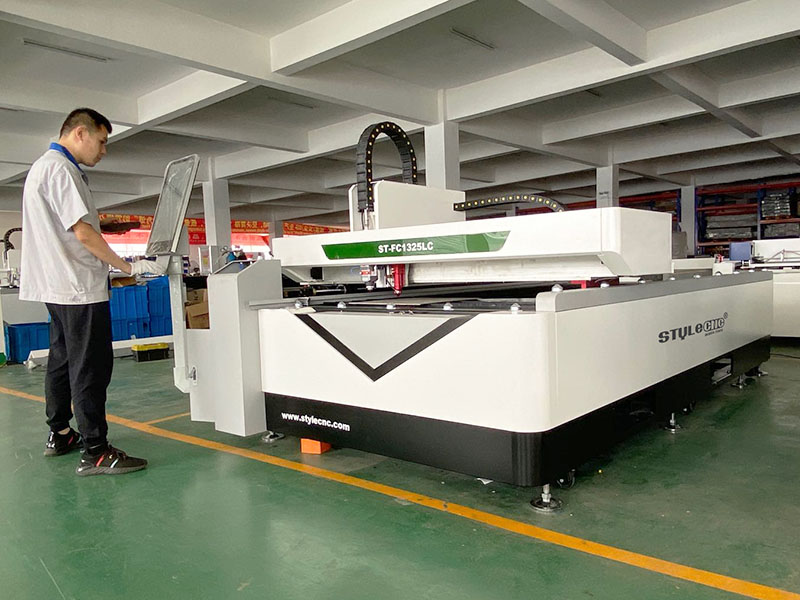
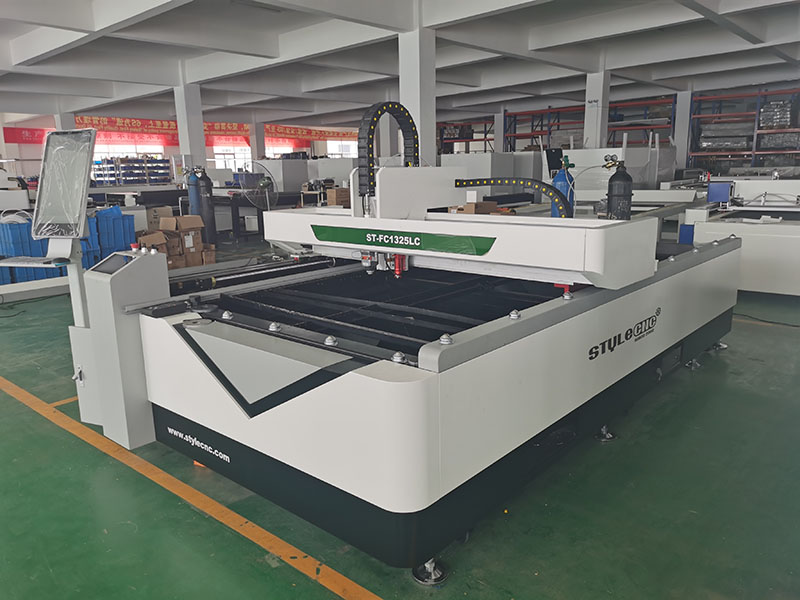
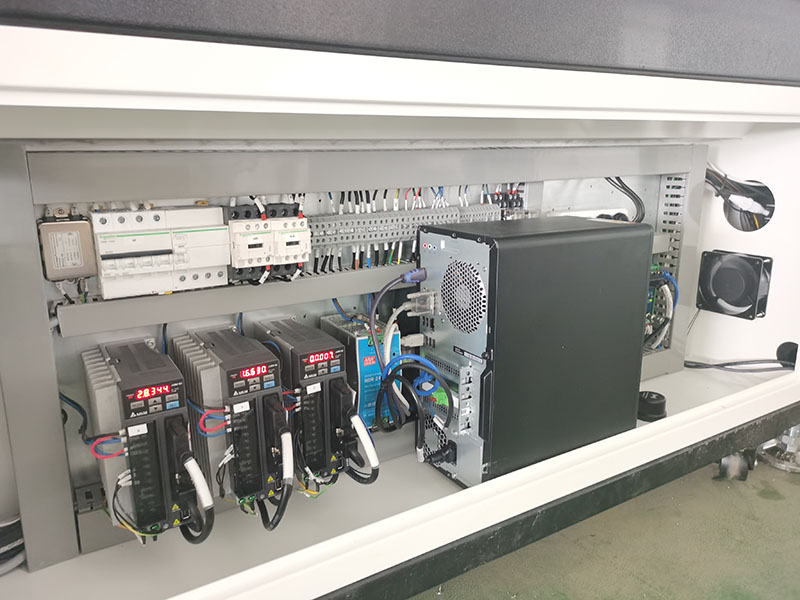
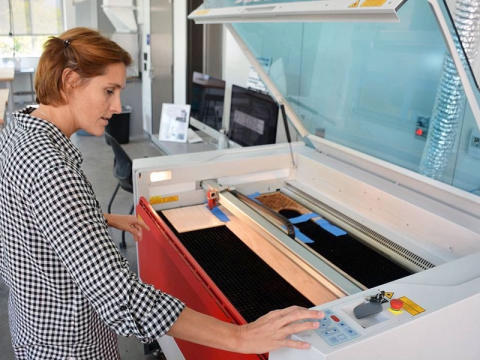
ST-FC1325LC laser cutter is a combined fiber laser and CO2 laser cutting system for metal and nonmetal fabrication, fiber laser cutting software and CO2 laser cutting software can be installed in one CNC system, which is easy to operate.
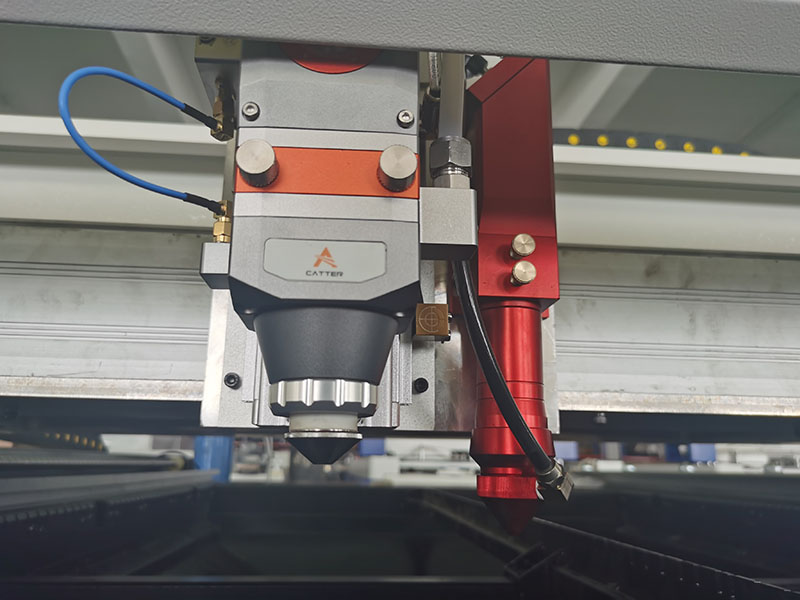
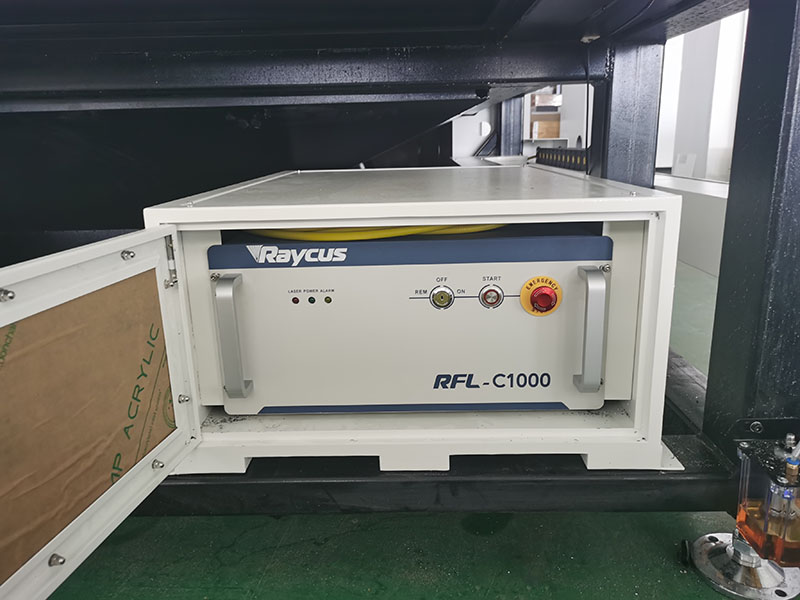
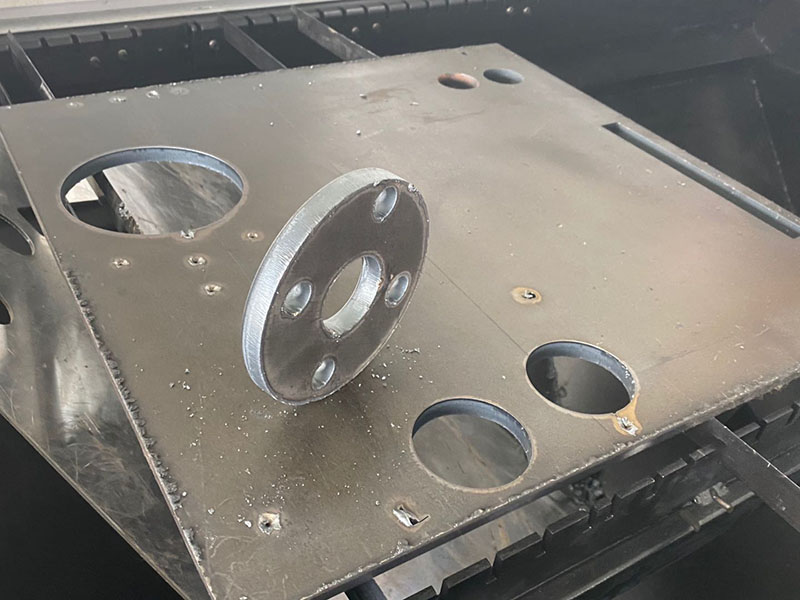
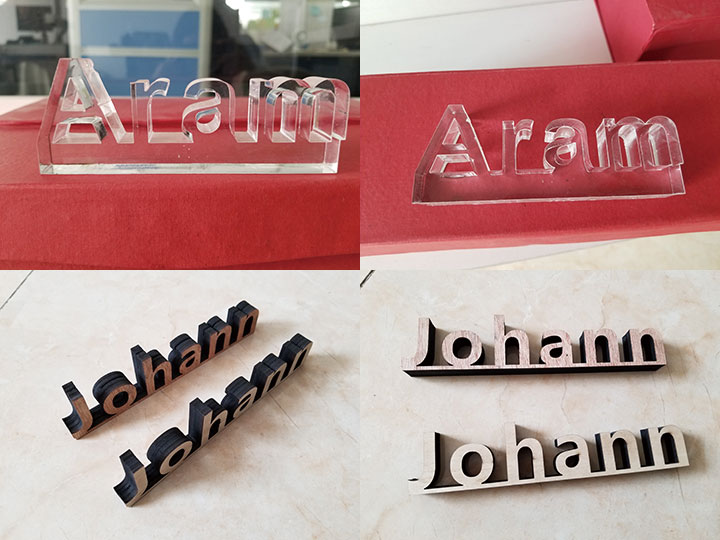
ST-FC1325LC mixed laser cutting machine combines with 1000W fiber laser cutting system and 150W CO2 laser cutting system, which can cut metal and non-metal materials by the one machine. The maximum cutting thickness is up to 10mm on carbon steel, 6mm on stainless steel, 3mm on aluminium plate, etc.

Laser cutting is a thermal cutting process used for sheet metal processing. The laser beam generated by the laser (resonator) is guided to the cutting head of the machine tool through a conductive fiber or mirror, and then focused through a lens to a small diameter area to concentrate the energy highly. The focused laser beam melts after contacting the plate.
Fiber Laser Cutter
Fiber laser is the most effective laser cutting method. The laser beam is generated in the active fiber, and then guided to the cutting head of the machine tool through the conductive fiber. Fiber lasers are much smaller than CO2 lasers and produce several times more power under the same power supply conditions. Fiber laser cutting machine is suitable for cutting metals from thin to thick, stainless steel, carbon steel, aluminum and non-ferrous metals (copper and brass).
CO2 Laser Cutter
The CO2 laser uses a mixed gas to generate the laser beam. The high voltage required in the laser is generated by the wear-free semiconductor excitation module. STYLECNC uses this module because it is smaller, more efficient, and more reliable than traditional solutions. CO2 laser technology is widely used in the cutting of different materials with different thicknesses.
Are you looking for such a combined laser cutter, please check details from:
ST-FC1325LC Combined Laser Cutting Machine
Share This Article With Others
Related Stories
2022-05-173 Min Read
Looking for a laser cutter to start your business or pick up a hobby you've always wanted? Whether you are a beginner or CNC machinist, please follow the 26 steps on how to use a laser cutting machine.
2026-08-087 Min Read
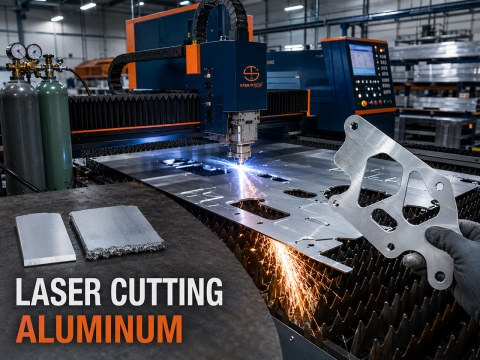
Aluminum is simultaneously one of the most laser-cut metals in industry and the one that generates the most troubleshooting threads. It reflects the beam that is supposed to melt it, pulls heat away from the cut faster than almost any other engineering metal, and produces a clingy bottom-edge dross that steel cutters never have to think about. This guide explains why aluminum fights the laser, walks through the four problems that account for nearly every bad aluminum cut, and gives the thickness-by-wattage numbers that separate marketing claims from what a machine cuts cleanly in production.
2026-03-195 Min Read
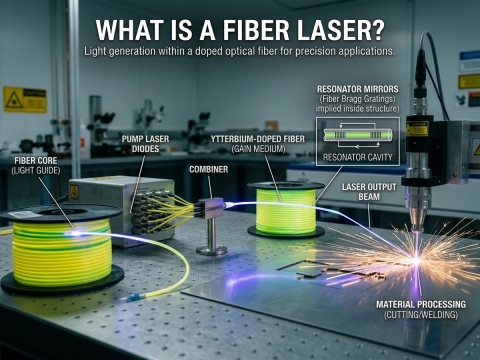
You will understand the definition, features, principles, types, optics, costs of fiber lasers, and uses in cutting, engraving, marking, welding, cleaning from this article.
2026-08-216 Min Read
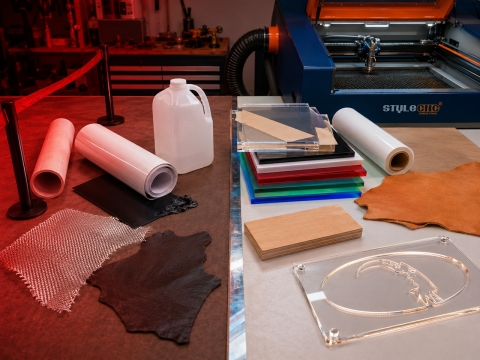
Never laser cut: PVC and vinyl (release chlorine gas that becomes hydrochloric acid), ABS (emits hydrogen cyanide), HDPE (catches fire and melts), thick polycarbonate (discolors and burns), PTFE/Teflon (toxic fluorine compounds), fiberglass and epoxy composites (toxic resin fumes), chrome-tanned leather (carcinogenic chromium fumes), and any unidentified plastic. Safe swaps exist for every one, led by cast acrylic and vegetable-tanned leather.
2026-10-276 Min Read
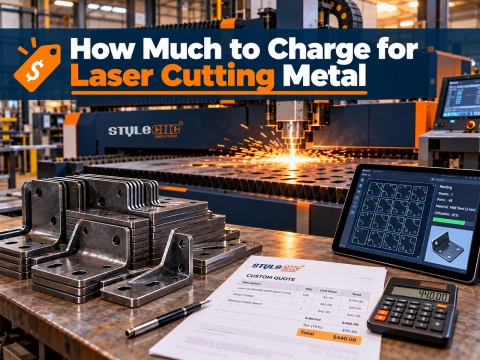
To price laser cutting metal, charge: (machine time × your shop rate) + (material cost × markup) + setup fee, with a minimum order charge as the floor. Build the shop rate from your own costs rather than copying a competitor: a typical small fiber laser shop breaks even somewhere around $60 to $70 per machine hour and quotes $90 or more once margin is added.
2023-11-214 Min Read
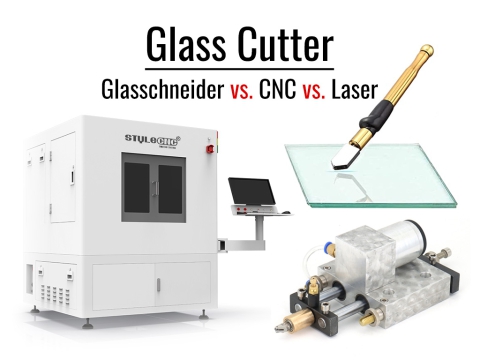
Glasschneider, CNC machine, laser cutter, which is better for mobile phone makers to cut smartphone glass (as well as tablet and laptop glass) such as Gorilla glass, Sapphire, Dragontrail glass to make personalized mobile cell phone screens, displays, front covers, rear panels, camera cover, filter, fingerprint identification sheet, prism?