The laser cutter is beginner friendly comparing others. The specific model I bought had no issues with work. STYLECNC provides a good after-sale service for sure.
2026 Best Industrial Fabric Laser Cutting Machine for Sale
Last Updated: 2026-06-09 11:15:53
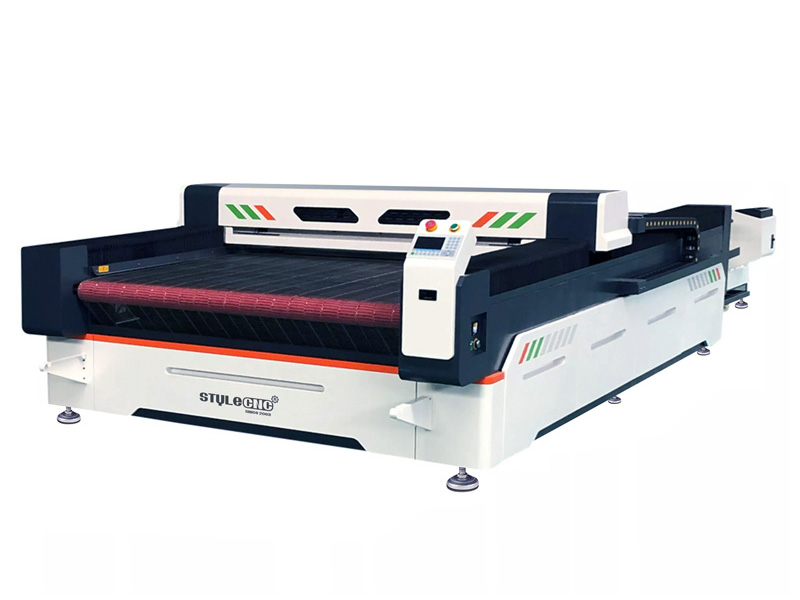
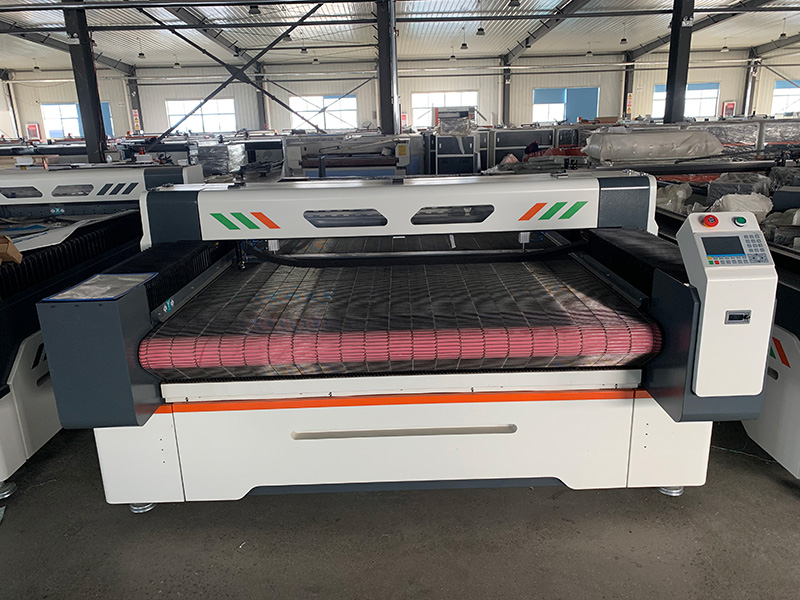
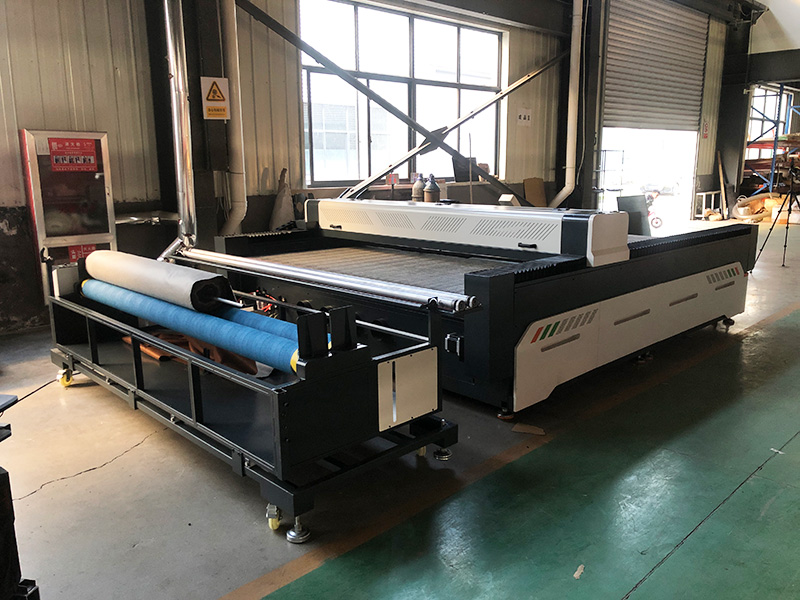
2026 best industrial fabric laser cutting machine with large conveyor table and automatic feeder can meet any fabric and leather cut with ease for clothing, garment, and fashion in industrial manufacturing with commercial use. This popular laser fabric cutter is affordable in price and easy to use for both beginners and professionals.
- Brand - STYLECNC
- Model - STJ1630A
- Maker - Jinan Style Machinery Co., Ltd.
- Sizing - 1600mm x 3000mm
- Category - CO2 Laser Cutting Machine
- Laser Source - Yongli, RECI
- Power Option - 150W
$9,800 - $10,800 for Basic & Pro Editions
- 360 Units in Stock Available for Sale Every Month
- Meeting CE Standards in Terms of Quality & Safety
- One-Year Limited Warranty for Entire Machine (Extended Warranties Available for Major Parts)
- 30-Day Money Back Guarantee for Your Purchase
- Free Lifetime Technical Support for End-Users & Dealers
- Online (PayPal, Alibaba) / Offline (T/T, Debit & Credit Cards)
- Global Logistics and International Shipping To Anywhere
The diverse fabric types of cotton, linen, silk, woolen and leather interpret the style and features of clothing, bringing us a comfortable and splendid fashion life. In the world of clothing, what cutting tools can make classics and innovations collide constantly, create personalized fabric cuts and make unique fashions?
The mostly used fabric cutting tools are mechanical cutter, CO2 laser cutter and ultrasonic cutter. Compared with traditional mechanical cutting and expensive ultrasonic cutting, laser cutting is the most ideal choice with affordable prices, high-precision cutting quality, and extremely fast speed. It has been widely recognized by users in the textile, leather and other clothing manufacturing industries for its precision, efficiency, convenience, high cost performance and CNC automation.
Traditional manual and electric shears have obvious shortcomings, slow speed, low efficiency, and troublesome typesetting, resulting in waste of materials. The emergence of professional laser fabric cutting machines has made everything easier. As long as you import your design with size into the computer and typeset it using the layout software automatically, you can meet any fabric cut with ease. In addition, the automatic feeder can increase productivity, and the high-speed curve cutting system allows for fast and precise cutting of curves, circles and radii.
What Is A Fabric Laser Cutting Machine?
A fabric laser cutting machine is a precision CO2 laser cutting system equipped with automatic feeding and roll-handling mechanisms. Laser fabric cutters serve as professional tools for cutting or engraving a wide range of materials, including various fabrics (such as silk, cotton, decorative textiles, polyester, synthetic fibers, and linen), felt, greige goods, cleanroom wipes, non-woven fabrics, embroidered appliques, and leather (genuine, synthetic, decorative, upholstery, and soft leather), as well as other garment accessories. These cutting tools are widely used across industries such as apparel, footwear, home textiles, embroidery, labels, fabric toys, leather goods, luggage, umbrellas, medical supplies, cleanroom technology, aviation, and warp knitting.
An industrial fabric laser cutting machine (also known as an industrial laser cloth or textile cutter) is an industrial-grade CNC laser cutting system utilizing a CO2 laser tube, capable of delivering high-speed, high-quality fabric cutting.

Industrial Fabric Laser Cutter Machine Advantages
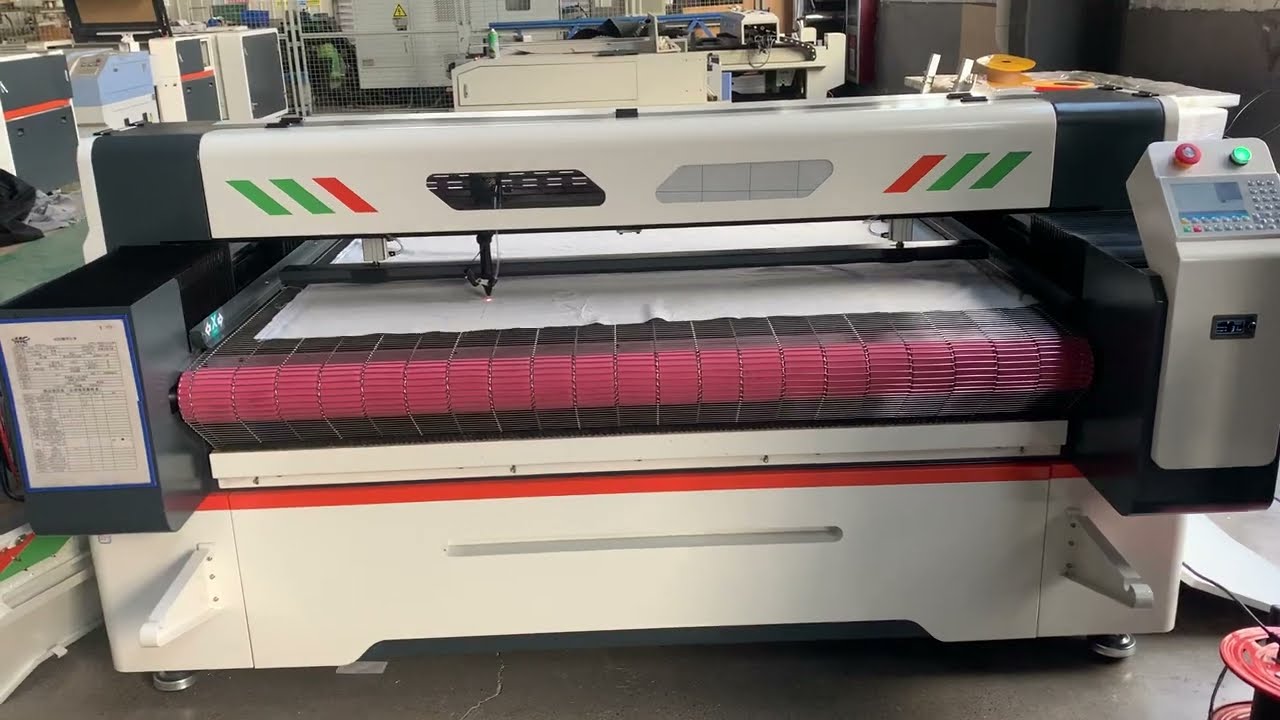
The laser fabric cutter machine utilizes a CO2 laser beam to melt or vaporize garment fabrics via high heat, enabling precise cutting and engraving. It can accurately cut any pattern and supports the addition of a feeding mechanism for continuous, automatic cutting of rolled materials. Equipped with an exhaust system, the machine simultaneously marks and cuts garment pieces while using negative pressure to extract fumes generated during the process. The combination of negative-pressure suction and a conveyor-style work table ensures efficient loading and unloading. It is compatible with a wide range of fabrics, including plush materials, non-woven fabrics, cotton-linen blends, and synthetic fibers; additionally, it can be paired with a garment pattern duplicator to facilitate rapid pattern production.
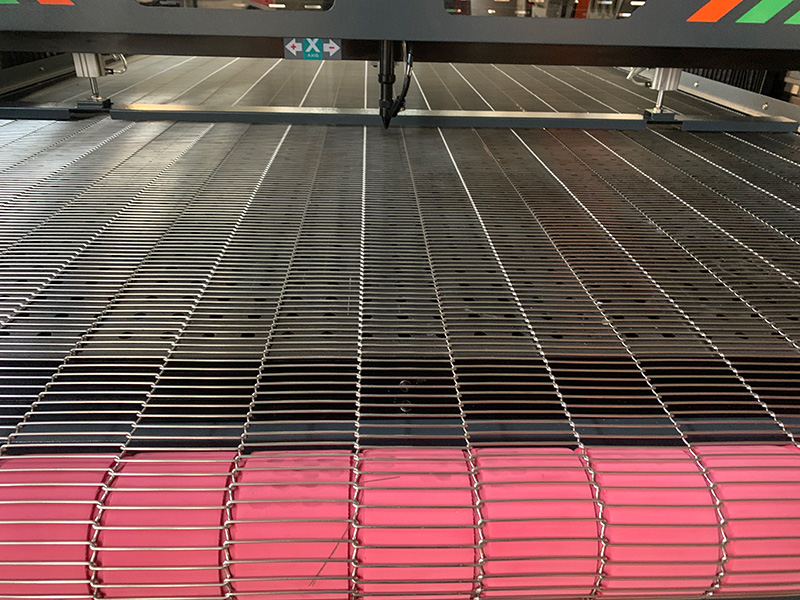
1. The industrial-grade laser fabric cutting table features an automatic feeding system and a specially designed honeycomb work surface, allowing for the smooth movement of materials.
2. The spacious work table accommodates large-format fabric cutting requirements.
3. A pass-through feeding design allows for unrestricted feeding lengths.
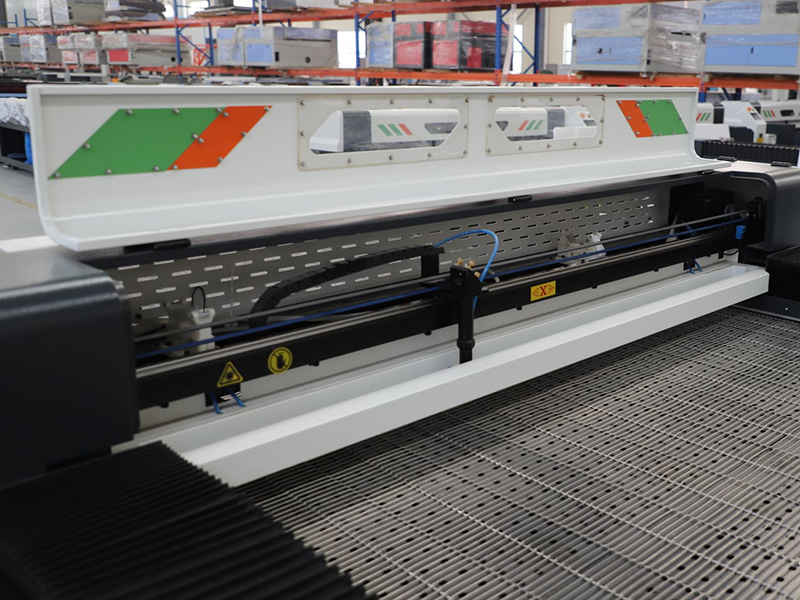
4. Genuine linear guide rails ensure stable and reliable operation of the cutting table.
5. A brush roller clears the work surface in real-time, effectively preventing fire hazards.
6. A side-exhaust design protects the grid work table, extending the service life of the laser cutting system.
Industrial Fabric Laser Cutting Machine Technical Parameters
| Model | STJ1630A |
| Table Size | 1600mm*3000mm |
| Laser Power | 150W |
| Laser Type | CO2 Glass Laser Tube |
| Resetting Positioning Accuracy | ±0.01mm |
| Compatible Software | CorelDraw, AutoCAD, Photoshop, etc. |
| Laser Engraving Speed | 1 - 60,000mm/min |
| Laser Cutting Speed | 1 - 40,000mm/min |
| Resolution Ratio | ≤0.0125mm |
| Position System | Red Dot |
| Interface | USB |
| Support Graphic Format | DST, PLT, BMP, DXF |
| Cooling Mode | Circulation Water Cooling |
| Working voltage | AC 110 - 220V ± 10%, 50 - 60Hz or Depend on Customer |
| Operating Temperature | 0ºC - 45ºC |
| Operating Humidity | 5% - 95% |
| Driving System | Stepper Motor |
| Packing | Plywood Case |
| Guarantee Date | 12 Months |
How Much Does A Laser Fabric Cutter Cost?
The average price of a fabric laser cutting machine for general consumers is approximately $6,600. Entry-level home models start at around $2,600, while high-end consumer-grade machines suitable for industrial production range from $6,000 to $20,000.
Industrial-grade laser fabric cutters are significantly more expensive than hobbyist models, as industrial users typically invest in higher-quality equipment. Statistics indicate that the average budget for industrial fabric cutting in 2026 is $9,800.
Industrial Laser Fabric Cutting Machine Applications
The fabric laser cutter is designed for cutting various materials, including nylon, polyester, canvas, waterproof fabrics, microfiber cleanroom cloths, and other textiles. It is particularly well-suited for large-format products such as sporting goods and leisure/travel gear. The equipment can also process appliqués, leather goods, and acrylic products. The system operates by using a high-intensity, highly directional laser beam as the cutting tool, melting the fibers to achieve the cut.
The system offers exceptional precision, with cutting tolerances typically within ±0.01mm; this allows for nesting patterns with near-zero gaps between adjacent fabric pieces.
Applicable Industries
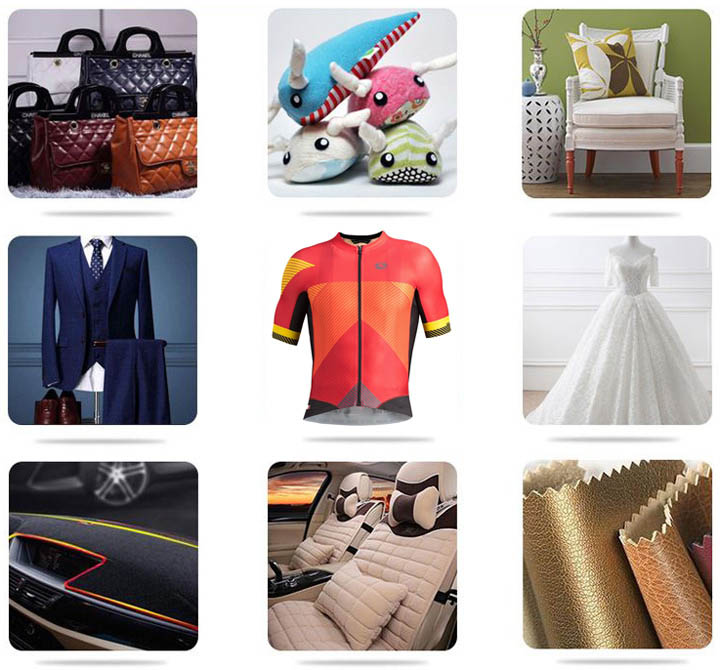
Garment fabrics, footwear, home textiles, embroidery, toys, leather goods, luggage and bags, outdoor gear, sporting goods, automotive seating, and more.
Applicable Materials
Genuine leather, synthetic leather, soft leather, decorative leather, packaging leather, cotton, silk, chemical fibers, denim, various textiles, and non-woven materials.
Typical Applications
Garments, footwear, toys, luggage and bags, outdoor camping gear, automotive seat fabric cutting, automotive seat appliqué embroidery, custom-shaped labels, airbags, and cutout patterns on leather garments.
Industrial Laser Fabric Cutting Machine Features
A focusing lens with a 63.5mm focal length is typically used for laser cutting fabrics. For single-layer cutting, the standard speed is 5 meters per minute with the laser power set to 40%. Factors such as air pump power (e.g., the optional Model 012 pump), the quality and flatness of the honeycomb worktable, and laser power settings all influence the cutting results. Higher laser power results in stronger thermal radiation; for lightweight or thin fabrics, excessive heat can cause gaps or fraying at the cut edges. A common issue during the cutting process is fabric yellowing. To prevent this, the fabric should be laid flat on the honeycomb worktable, and the exhaust fan should be activated to promptly remove smoke and dust. Simultaneously, the air compressor should be turned on to blow away debris from the cut line; using an inert gas (such as nitrogen) to purge volatile impurities and smoke from the cut yields even better results.
1. The frame of the STJ1630A laser fabric cutting machine is constructed from high-quality aluminum; its professional design ensures structural rigidity, durability, and resistance to deformation.
2. Key components of the electrical system utilize high-quality materials from internationally renowned brands.
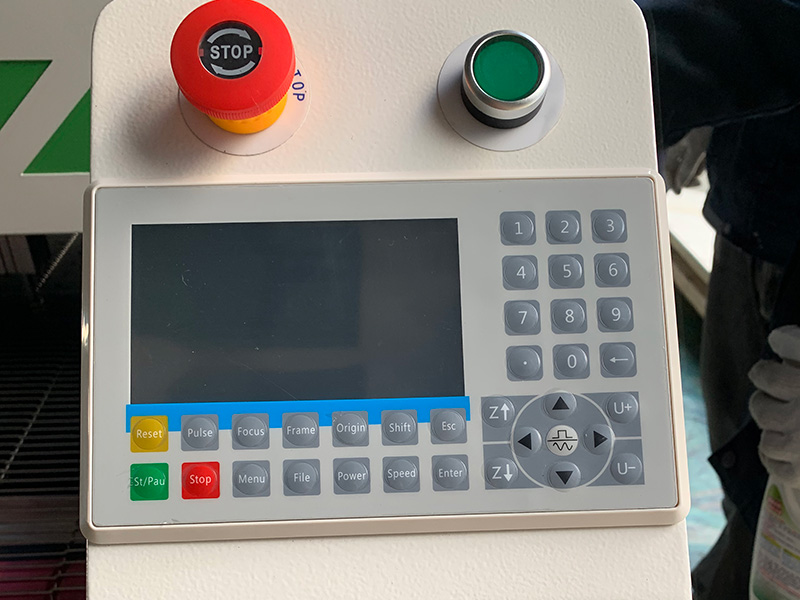
3. The control system comes with a USB interface.
4. The automatic feeding laser fabric cutting system features a scientifically designed, high-speed roll-feeding mechanism that enables continuous automatic operation and material collection while maintaining fabric integrity.
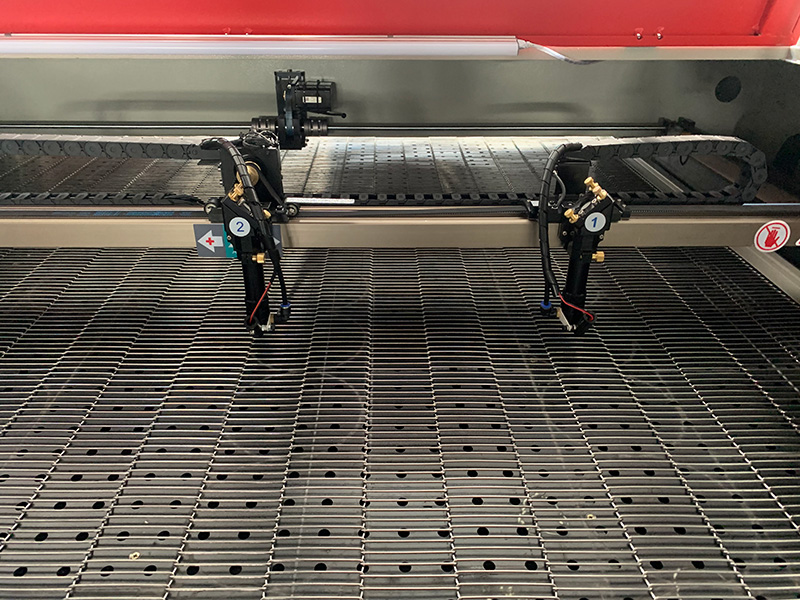
5. The laser heads move freely, allowing users to adjust the spacing between them without manual intervention; each head is capable of independently handling large-format processing tasks.
6. A high- and low-voltage separation design isolates the respective circuits, ensuring greater safety and a neat, organized layout.

Automatic skew detection system


Dual laser fabric cutting head
Industrial Fabric Laser Cutter Projects
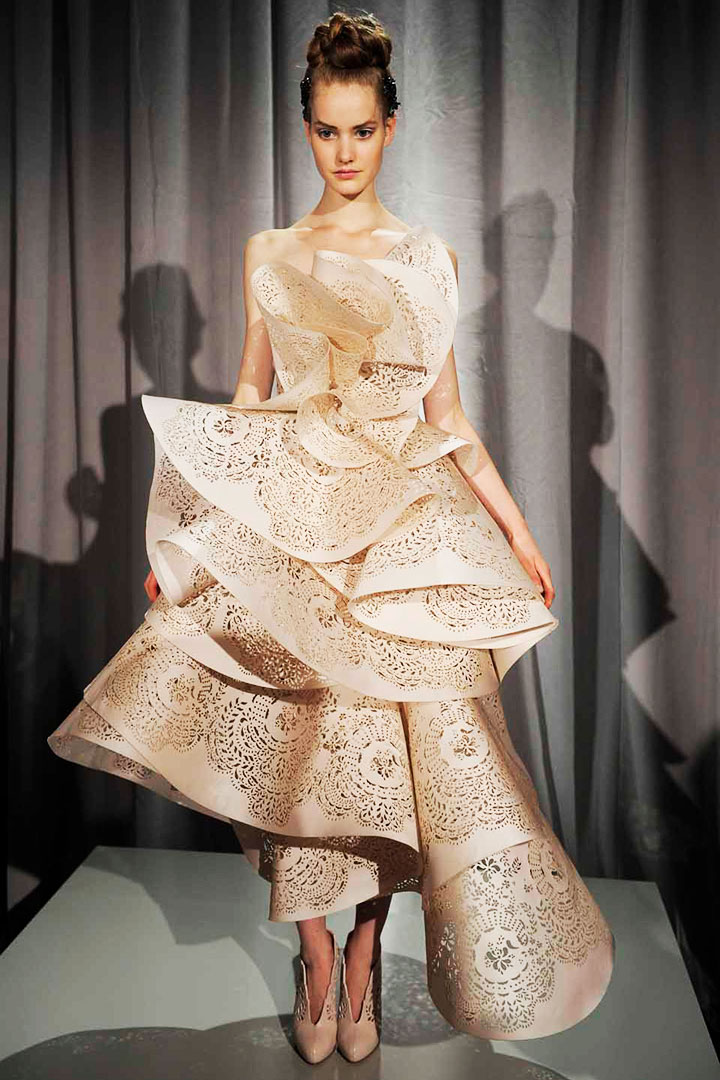
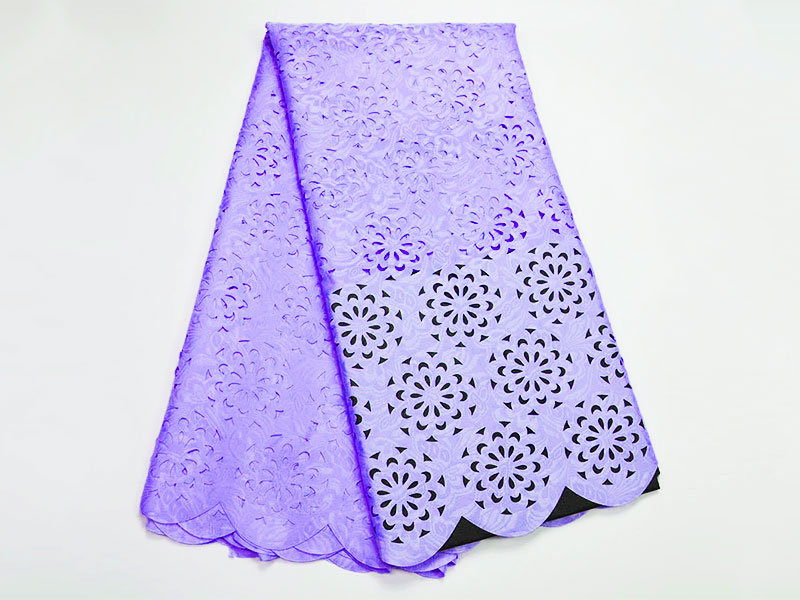
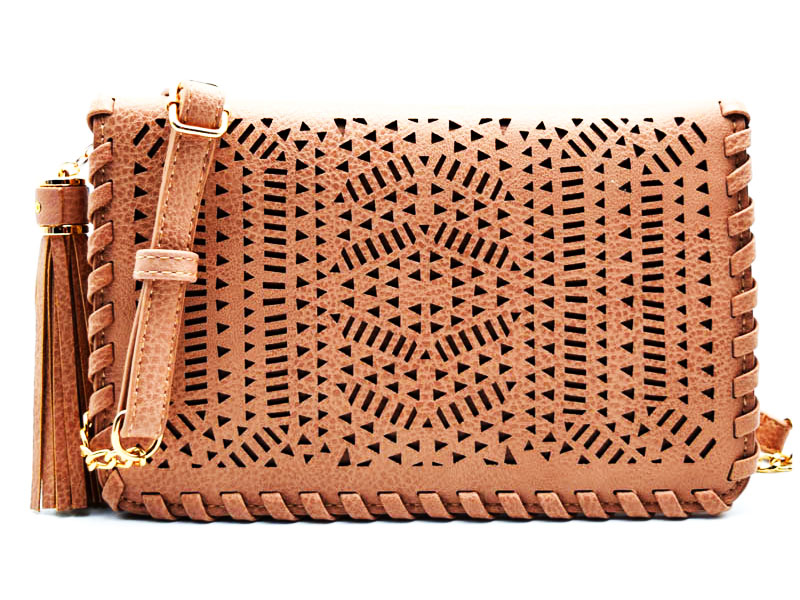
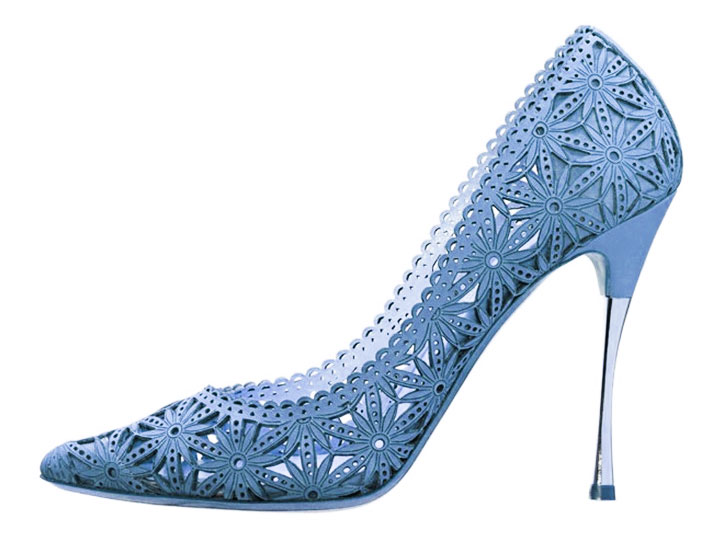
This laser fabric cutter machine is capable of cutting any computer-designed shape. Thanks to the integration of laser and computer technologies, users can proceed directly to laser cutting after completing their designs on a computer; the workflow is highly flexible, even allowing for simultaneous designing and cutting.
This laser fabric cutting system overcomes the limitations of traditional manual or electric scissor cutting—such as slow speeds and difficulties in nesting—thereby resolving issues of low efficiency and material waste. It offers rapid cutting speeds and ease of operation: simply input the desired shapes and dimensions into the computer, and the machine processes the raw material into the required finished products. The entire process utilizes non-contact laser machining, eliminating the need for molds or specialized cutting tools, making it both simple and highly efficient.
Industrial Fabric Laser Cutter Packing & Shipping
1. Clean the machine and its accessories.
2. Wrap with dust-proof film.
3. Line the interior with foam padding.
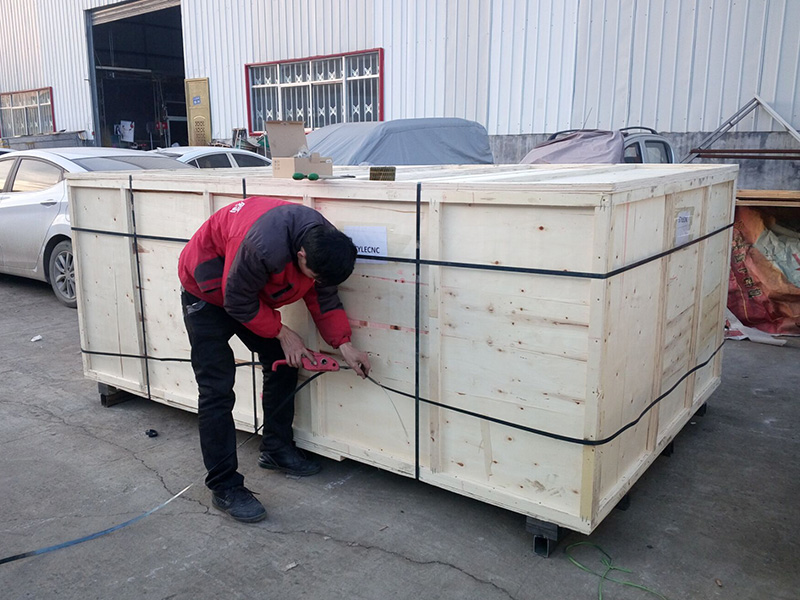
4. Pack into a standard export wooden crate.
5. Shipment begins within 7–15 days of receiving the wire transfer payment.
6. Ship according to the customer's specified requirements.
Industrial Fabric Laser Cutter Service & Support
1. One-year limited warranty on the complete industrial-grade laser fabric cutting machine.
2. 12-month limited warranty on the CO2 laser tube.
3. One-month limited warranty on laser lenses and mirrors.
4. We will provide free replacements for parts damaged due to quality issues during the warranty period.
5. 24/7 online technical support is available (via Skype, WhatsApp, or remote assistance); for urgent matters, please call us directly.
6. We offer free training at our factory and can dispatch engineers overseas for equipment maintenance; however, the buyer is responsible for the engineers' round-trip airfare, accommodation, and meal expenses.
All Types of Laser Fabric Cutting Machines You May Like
CNC Laser Fabric Cutting Machine for Home Use
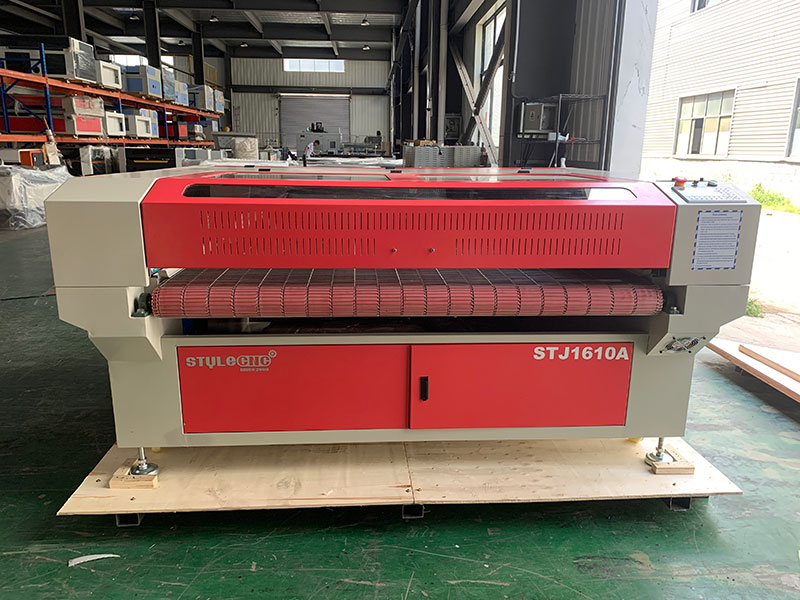
Hobby Laser Fabric Cutting Machine
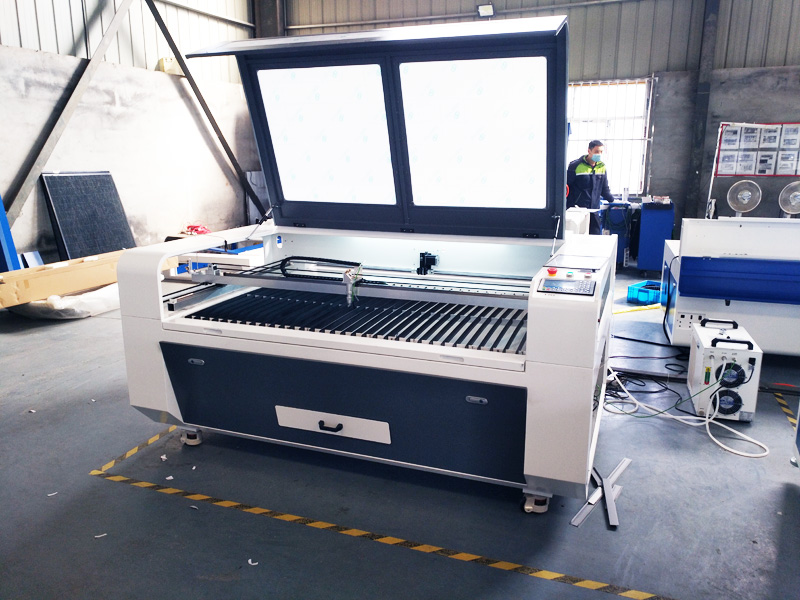
Multi Head Laser Fabric Cutter
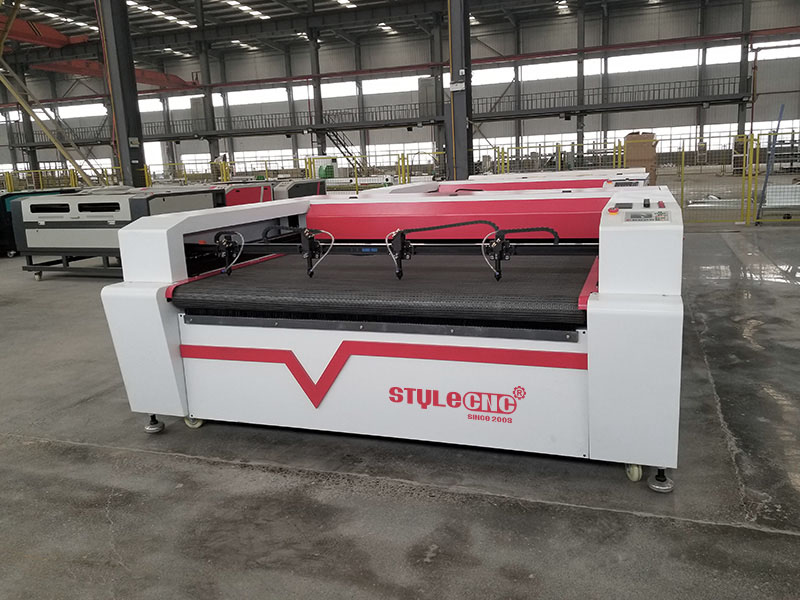
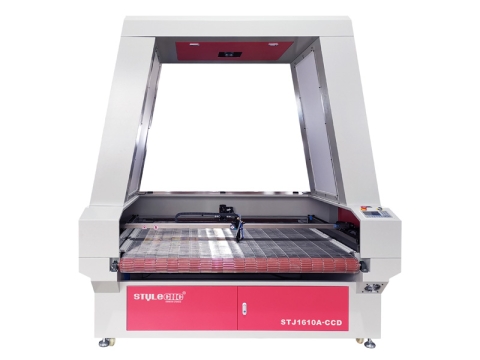
Laser Fabric Cutting Machine with CCD Camera for Sportswear with Sublimation Printing
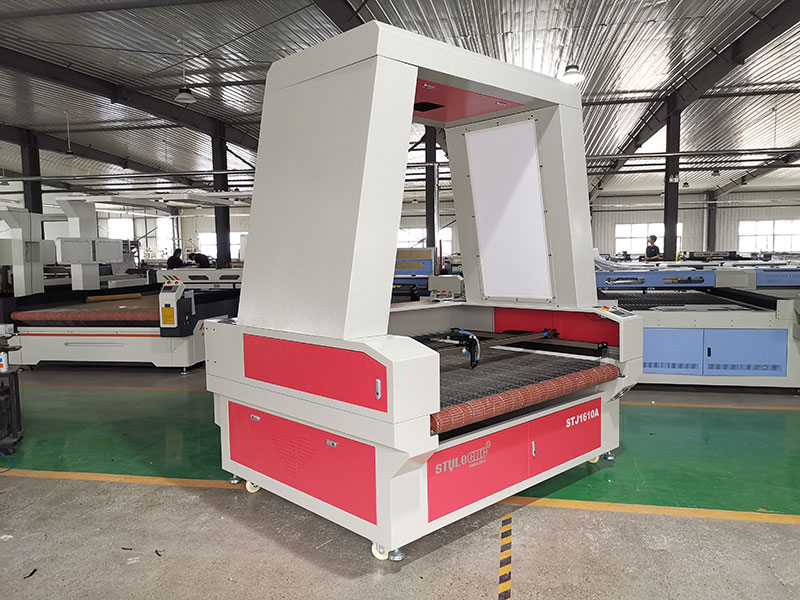
CNC Digital Fabric Cutting Machine
Industrial Safety Considerations
Since industrial CNC laser machines tend to be more spacious and heavy they require better and additional safety measures. Here are a few,
✔ Personal Protective Equipment: Laser safety glasses for eye protection, protective clothing, and gloves.
✔ Proper Ventilation: Better exhaust system with efficient fume extraction, and air filtration.
✔ Fire Safety: Ensure easy accessibility for the fire extinguisher and keep away flammable objects. Maintain cleanliness around the machine.
✔ Maintenance and Electrical Safety: Regular maintenance is the first rule to ensure the longevity and efficiency of your machine. And make sure the electrical connections are safe and secure.
✔ Training: Train your workers and conduct safety classes to teach them properly.
Buying Considerations
Buying a new CNC fabric laser cutter for an industrial manufacturing purpose is a great deal. It can be beneficiary as well as cost-effective at times. So, we suggest taking a look at our buying considerations and then selecting the machine. These are expert's opinions to make sure the most efficiency in your business.
✔ Asses your project needs
It is the first and foremost step in assessing your project needs. Types of project, material compatibility, and production volume are the key factors that will help you scale your project needs.
✔ Budget considerations
Your overall budget concern should be related to the initial investment, long-term cost, and value-for-money output. While budgeting for your industrial CNC laser fabric cutter consider these three aspects and take the opinion of other experts.
✔ Technical support and warranty
Often manufacturers offer training and online resources to get the most out of your machine. After the sale, customer service is equally important. Take information about the brand before the purchase. Remember, a reputed brand will also offer good warranty coverage.
✔ User reviews
User reviews and testimonials help find the proper information on the usage and performance of a particular model. Therefore, it is wise to take a good look at the reviews and experiences shared by users only.
✔ Operational considerations
Ease of use, space requirements, and maintenance are aspects that should be given as importance as the given above.
How Different Fabrics Behave Under a CO2 Laser
Not every textile reacts the same way to a laser beam. Synthetics like polyester, nylon, and acrylic melt as they cut, so the edge fuses and will not fray, which is why sportswear favors them. Natural fibers such as cotton, linen, and silk vaporize into a clean cut, though the edge darkens slightly rather than sealing. Genuine leather and polyurethane synthetics cut well, with thicker leather needing more power or a slower pass. Settings shift with each material, so these CO2 laser cutting parameters save trial and error. One rule never bends: avoid chlorine-based fabrics.
Keeping Edges Clean and Scorch-Free
Clean edges come down to managing heat and smoke. Air assist does the heavy lifting: a steady stream of air cools the cut zone and blows the smoke plume away before it can stain the fabric. For delicate cloth, masking the surface with transfer tape stops soot, and a non-reflective backing stops the beam bouncing up and scorching the underside. Lower power with higher speed keeps thin synthetics from melting too wide; a test cut dials it in. Strong fume extraction protects both the work and the optics. See fabric laser cutting samples for reference.
Fabric Suitability Under The Laser:
| Material | Laser Behavior | Notes |
|---|---|---|
| Polyester, nylon, acrylic | Melts and self-seals | Fray-free edge, sportswear favorite |
| Cotton, linen, silk | Clean cut, edge darkens | Mask delicate fabric to limit scorch |
| Genuine leather, PU synthetic | Cuts well | More power or slower for thick leather |
| PVC, vinyl, faux leather | Do not cut | Releases chlorine gas, ruins optics |
Clean-Cutting Best Practices
✓ Confirm the fabric is chlorine-free before cutting.
✓ Run strong air assist to cool and clear smoke.
✓ Mask delicate, light fabrics to stop scorch stains.
✓ Lower power and raise speed for thin synthetics.
✓ Keep the lens clean; lint dulls cuts fast.
Frequently Asked Questions
Can a CO2 laser cut PVC or vinyl-coated fabric?
No, never. PVC, vinyl, and PVC-based faux leather release toxic chlorine gas that corrodes the lens, mirrors, and metal parts. Genuine leather and polyurethane synthetics are safe; if a coating is unknown, do not cut it.
Can it engrave or etch designs on fabric?
Yes. At lower power and higher speed the same machine etches tonal patterns instead of cutting through, which is popular for faded denim, appliqué, and textures on felt or leather. A scrap test sets the depth and contrast first.
Will it follow a printed or sublimated design?
Not on its own. This model cuts to a programmed vector. To follow a printed or sublimated outline, use a camera-equipped version like this contour laser cutter with a CCD camera, which reads registration marks and cuts to the print.
How many fabric layers can it cut at once?
You can stack layers. Because the laser never touches the cloth, stacked layers will not shift like they do under a blade. But heat fuses synthetic layers at the edge, so single layers or modest stacks separate cleanest.
Why is it not cutting all the way through?
Usually a dirty lens, low tube power, or the wrong focus. Fabric lint coats the optics quickly and steals power, so clean the lens first. Then check focus and slow the speed or raise power. See more common laser cutter problems.
How often should I clean the lens and mirrors?
Often, fabric throws lint and fume that films the lens and mirrors and weakens the beam. Wipe the lens with proper solution regularly, check the mirrors, and keep spare laser lenses and mirrors on hand.
Customers Say - Don't take our words as everything. Find out what customers say about our products and services they have purchased, owned or experienced.
Michael
Lila
I'm happy that they guided me with the right choice. I can now easily complete my large volume of clothing manufacturing with my machine. Thanks to STYLECNC!
Bob
Excellent laser, I did a lot of research before I bought machine. Mike has been patiently guiding me and helping me to analyze. I have been using this laser fabric cutter for three months, and the quality of this machine is really great. I like it.
Grall
We bought the STJ1630A laser fabric cutting machine a few months ago. They have excellent customer service and the laser machines they sell are very well build. The machine handles the details of the fabric very well. One day I had an operational problem. It was already very late, but they still taught me patiently.
Further Reading
Related Stories

Related Products