New Laser Cutting System for Custom Medical Tools
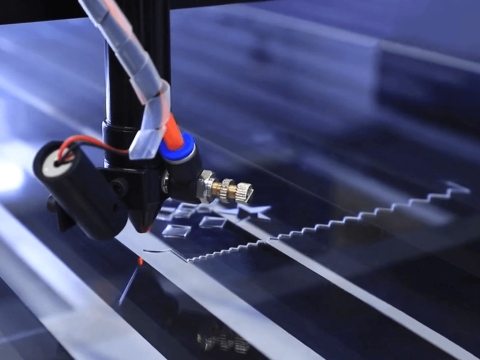
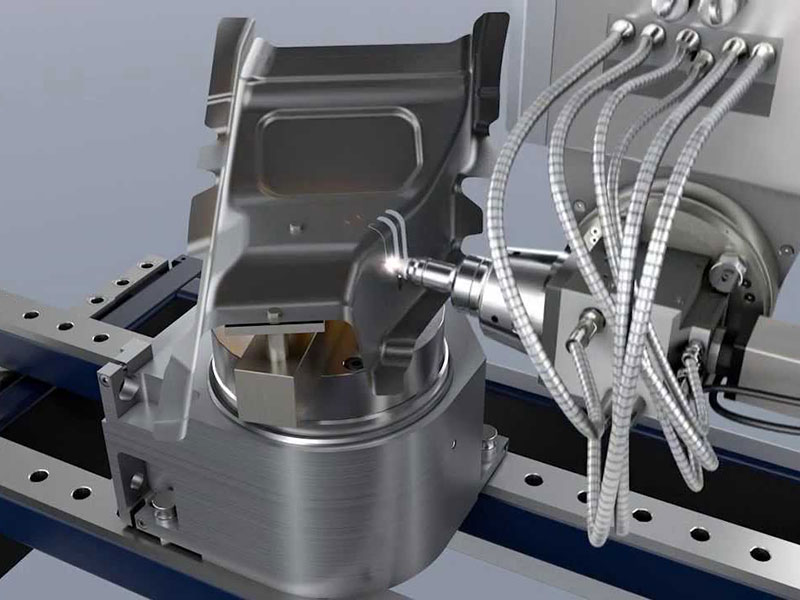
The new laser cutting system is frequently used to make custom medical tubes and components with gas assist for the medical equipment.

Laser cutting machine technology has an extremely fine control of pulse width, power, and focus spot size. Because the laser cutting tool does not rely on touching the part, it can be oriented to make any shape or form. Not limited by physical cutting geometry, laser cutting machine can be used to make unique shapes.
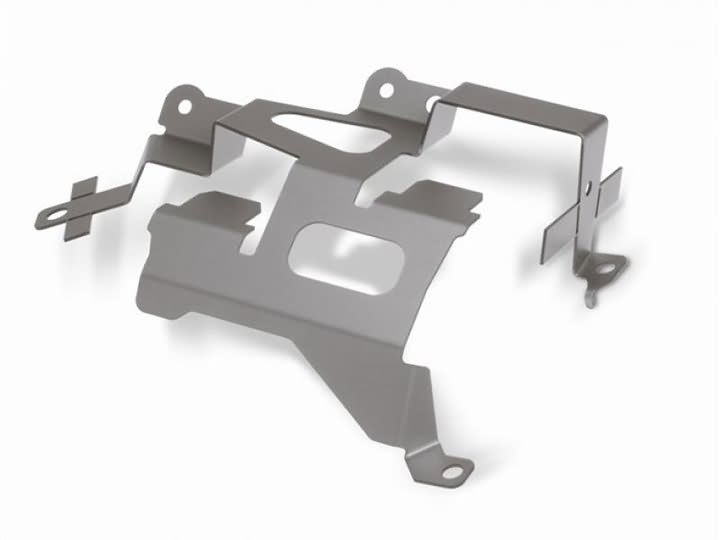
The technology frequently used to make medical tubes and components is laser cutting machine with gas assist. Fiber Laser equipment allows for smaller beam diameter therefore decreasing kerf width, decreasing heat propagation and increasing throughput. This range helps fulfill all cutting applications in today's industrial material processing industry. Fine laser cutting is an ideal technology for specialized cutting requirements found in the manufacturing of medical tube tools and components. From surgical instruments used in cutting and biopsy, to needles containing unusual tips, laser cutting machine provides higher precision, quality, and speed than traditionally used cutting techniques. In addition, new laser cutting technologies are now coming on the market.
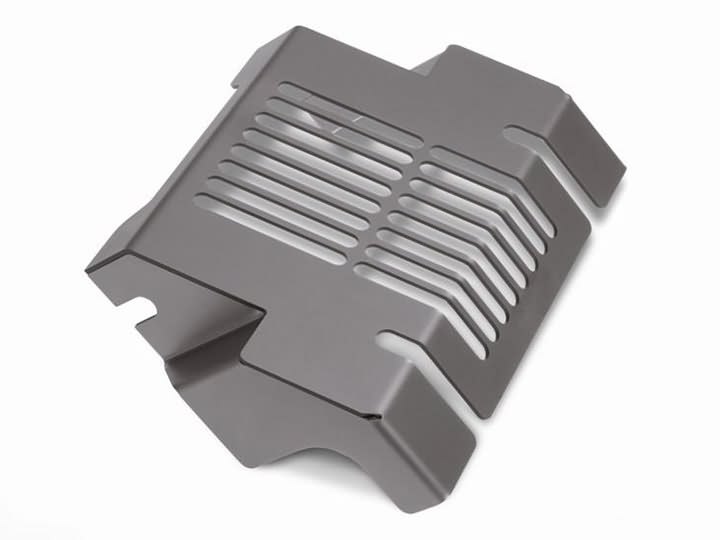
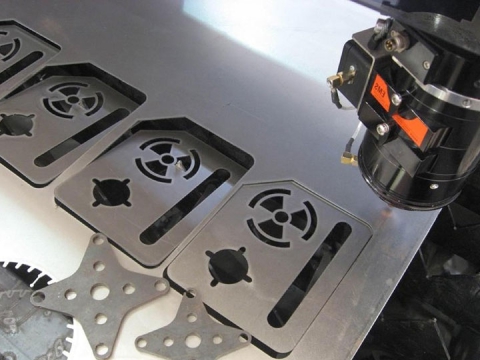
Laser cutting machine is widely used in the metal fabrication industry to increase cutting speed and cutting capacity, reduce production costs, increase productivity and improve cutting quality. Its primary advantages are precision, cutting quality, cutting speed and economy. It leaves a polished, finished edge requiring no further work. If you want more information about China laser cutting machine manufacturer and other laser processing technology solutions, please pay attention to my baidu essay.
Share This Article With Others
Related Stories
2024-02-286 Min Read
In this article, you will get the laser cutting basics, including definition, working principle, types, features, applications, and trends in future.
2026-08-216 Min Read
Never laser cut: PVC and vinyl (release chlorine gas that becomes hydrochloric acid), ABS (emits hydrogen cyanide), HDPE (catches fire and melts), thick polycarbonate (discolors and burns), PTFE/Teflon (toxic fluorine compounds), fiberglass and epoxy composites (toxic resin fumes), chrome-tanned leather (carcinogenic chromium fumes), and any unidentified plastic. Safe swaps exist for every one, led by cast acrylic and vegetable-tanned leather.
2022-02-254 Min Read
Digital cutting machine and laser cutting machine are both flexible material cutting CNC machine tool with different features and advantages, so what are the differences between digital cutter and laser cutter?
2025-09-263 Min Read
CO2 lasers can cut materials of varying thicknesses at various speeds with powers ranging from 40W to 300W. Here's a breakdown of cutting parameters, covering power, speed, thickness, and kerf for laser cutting a variety of non-metallic materials, including wood, plastic, acrylic, foam, paper, fabric, and leather.
2024-04-014 Min Read
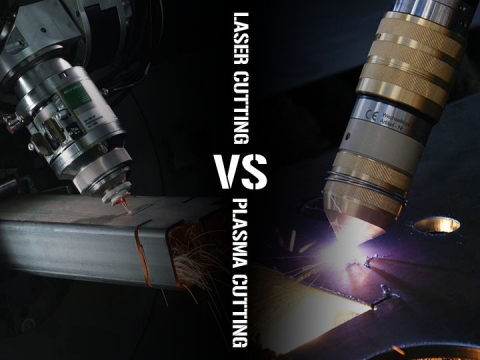
What is the best cutting tool for metal? Let's make a comparison between laser cutting machine and plasma cutter to find out which one is better for metal cuts.
2026-08-185 Min Read
Brass and copper sit at the top of every list of metals that fight the laser. Solid copper reflects roughly 95 percent of a fiber laser's beam, brass is not far behind, and both once carried warnings in laser source manuals. Yet jewelry studios cut brass sheet daily, and busbar factories cut copper by the ton. This guide explains what changed, where the real risk lives, the minimum power that makes each metal practical, and the counterintuitive gas strategy that splits the two.