What is PCB?
PCB refers to Printed Circuit Board, which is the carrier of electrical connection of electronic components and the core part of all electronic products. PCB is also known as PWB (Printed Wire Board).
What types of PCB materials can be cut with laser cutters?
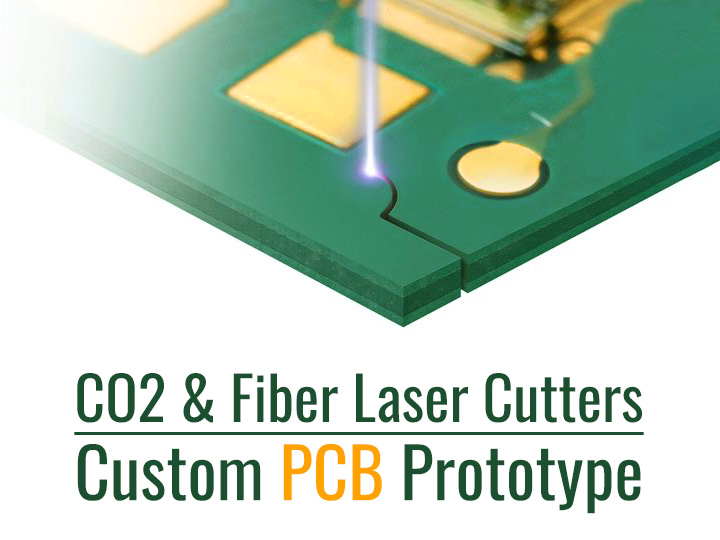
The types of PCB materials that can be cut by a precision laser cutter include metal-based printed circuit boards, paper-based printed circuit boards, epoxy glass fiber printed circuit boards, composite substrate printed circuit boards, special substrate printed circuit boards and other substrate materials.
Paper PCBs
This type of printed circuit board is made of fiber paper as a reinforcing material, soaked in a resin solution (phenolic resin, epoxy resin) and dried, then coated with a glue-coated electrolytic copper foil, and pressed under high temperature and high pressure. According to the American ASTM/NEMA standards, the main varieties are FR-1, FR-2, FR-3 (the above are flame retardant XPC, XXXPC (the above are non-flame retardant). The most commonly used and large-scale production are FR-1 and XPC printed circuit boards.
Fiberglass PCBs
This type of printed circuit board uses epoxy or modified epoxy resin as the base material of the adhesive, and glass fiber cloth as the reinforcing material. It is currently the largest printed circuit board in the world and the most used type of printed circuit board. In the ASTM/NEMA standard, there are four models of epoxy fiberglass cloth: G10 (non-flame retardant), FR-4 (flame retardant). G11 (retain heat strength, not flame retardant), FR-5 (retain heat strength, flame retardant). In fact, non-flame retardant products are decreasing year by year, and FR-4 accounts for the vast majority.
Composite PCBs
This type of printed circuit board is based on the use of different reinforcement materials to form the base material and the core material. The copper clad laminate substrates used are mainly CEM series, among which CEM-1 and CEM-3 are the most representative. CEM-1 base fabric is glass fiber cloth, core material is paper, resin is epoxy, flame retardant. CEM-3 base fabric is glass fiber cloth, core material is glass fiber paper, resin is epoxy, flame retardant. The basic characteristics of the composite base printed circuit board are equivalent to FR-4, but the cost is lower, and the machining performance is better than FR-4.
Metal PCBs
Metal substrates (aluminum base, copper base, iron base or Invar steel) can be made into single, double, multi-layer metal printed circuit boards or metal core printed circuit boards according to their features and uses.
What is PCB used for?
PCB (printed circuit board) is used in consumer electronics, industrial equipment, medical devices, fire equipment, safety & security equipment, telecommunications equipment, LEDs, automotive components, maritime applications, aerospace components, defense & military applications, as well as many other applications. In applications with high safety requirements, PCBs must meet high quality standards, so we must take every detail of the PCB production process seriously.
How does a laser cutter work on PCBs?
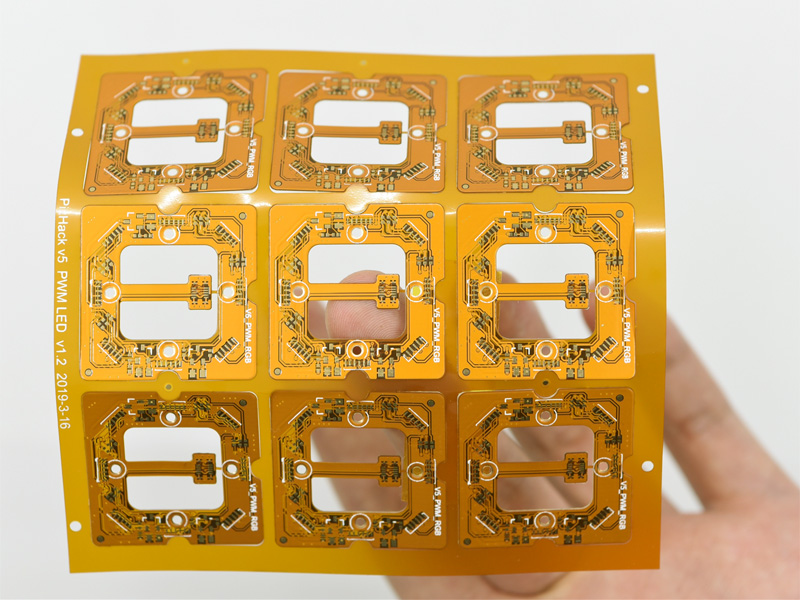
First of all, cutting PCB with laser is different from cutting with machinery such as milling or stamping. Laser cutting will not leave dust on the PCB, so it will not affect the later use, and the mechanical stress and thermal stress introduced by the laser to the components are negligible, and the cutting process is quite gentle.
In addition, laser technology can meet cleanliness requirements. People can produce PCB with high cleanliness and high quality through STYLECNC's laser cutting technology to treat the base material without carbonization and discoloration. In addition, in order to prevent failures in the cutting process, STYLECNC has also made related designs in its products to prevent them. Therefore, users can obtain extremely high yield rate in production.
In fact, just by adjusting the parameters, one can use the same laser cutting tool to process various materials, such as standard applications (such as FR4 or ceramics), insulated metal substrates (IMS) and system-in-packages (SIP). This flexibility enables PCBs to be applied in various scenarios, such as cooling or heating systems of engines, chassis sensors.
In the design of the PCB, there are no restrictions on the outline, radius, label or other aspects. Through full-circle cutting, the PCB can be placed directly on the table, which greatly improves the efficiency of space usage. Cutting PCBs with a laser saves more than 30% material compared to mechanical cutting techniques. This not only helps reduce the cost of producing specific-purpose PCBs, but also helps build a friendly ecological environment.
STYLECNC's laser cutting systems can be easily integrated with existing Manufacturing Execution Systems (MES). The advanced laser system ensures the stability of the operation process, while the automatic feature of the system also simplifies the operation process. Thanks to the higher power of the integrated laser source, today's laser machines are fully comparable to mechanical systems in terms of cutting speed.
Furthermore, the operating costs of the laser system are low as there are no wearing parts such as milling heads. The cost of replacement parts and the resulting downtime can thus be avoided.
What types of laser cutters are used for PCB making?
There are three most common types of PCB laser cutters in the world. You can make the right choice according to your PCB fabrication business needs.
CO2 Laser Cutters for for Custom PCB Prototype
A CO2 laser cutting machine is used to cut PCBs made of nonmetal materials, such as paper, fiberglass, and some composite materials. CO2 laser PCB cutters are priced from $3,000 to $12,000 based on different features.
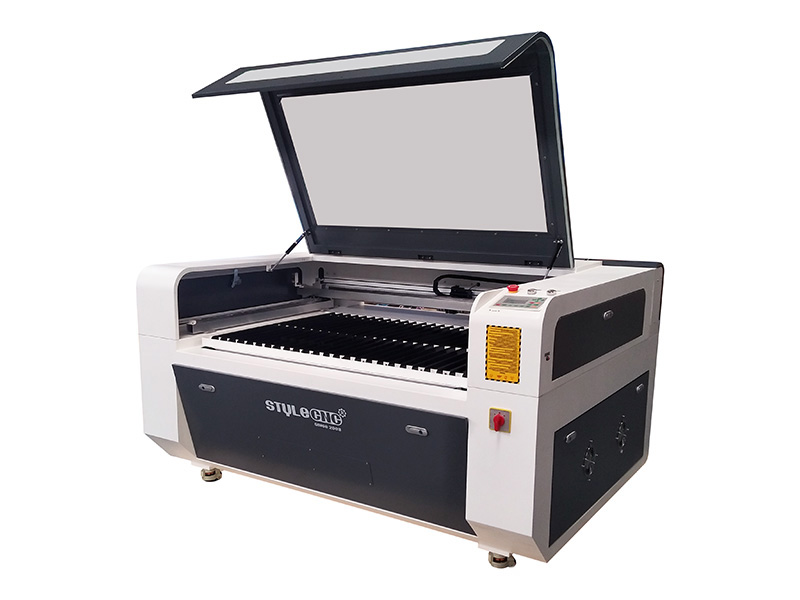
Fiber Laser Cutting Machine for for Custom PCB Prototype
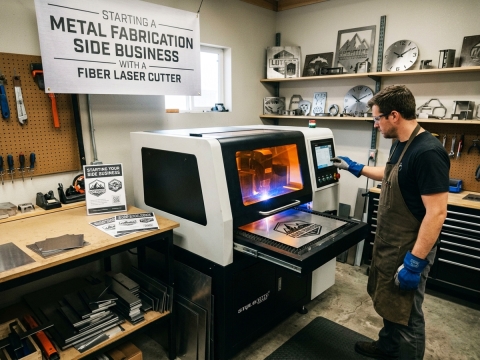
A fiber laser cutter is used to cut PCBs made of metal materials, such as aluminum, copper, iron, and Invar steel. A fiber laser PCB cutting system costs anywhere from $14,200 to $29,800 according to the configurations of laser sources, laser powers and table sizes.
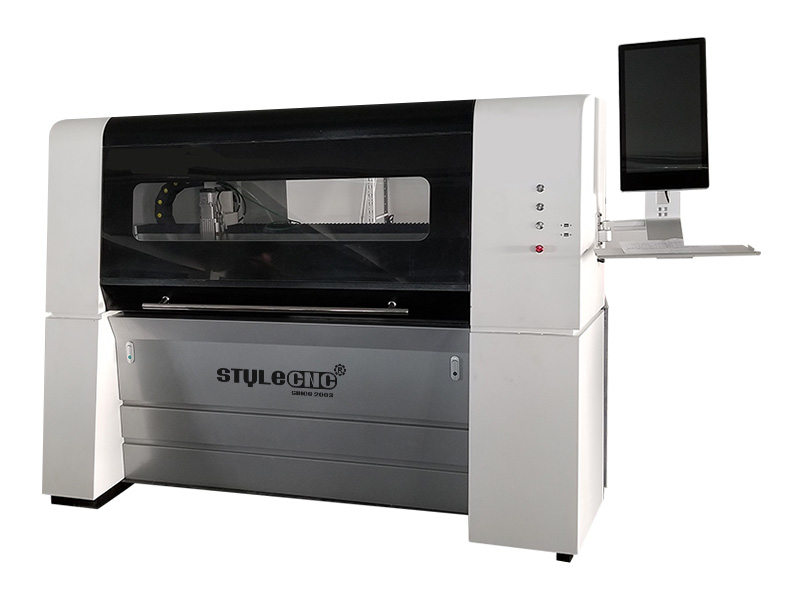
Hybrid Laser Cutting System for for Custom PCB Prototype
A hybrid laser cutting system is used to cut PCBs made of both metals and nonmetals. A hybrid laser PCB cutting machine starts from $6,800, while some high end types can cost as expensive as $12,800.
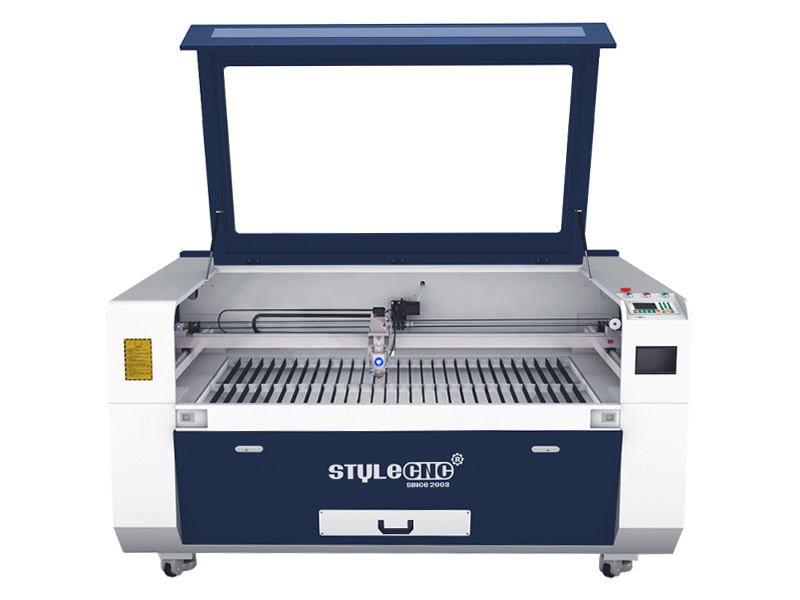
In addition to its ability to cut substrates, lasers can also be used for custom PCB prototyping, marking, engraving, drilling, or etching of individual material layers.
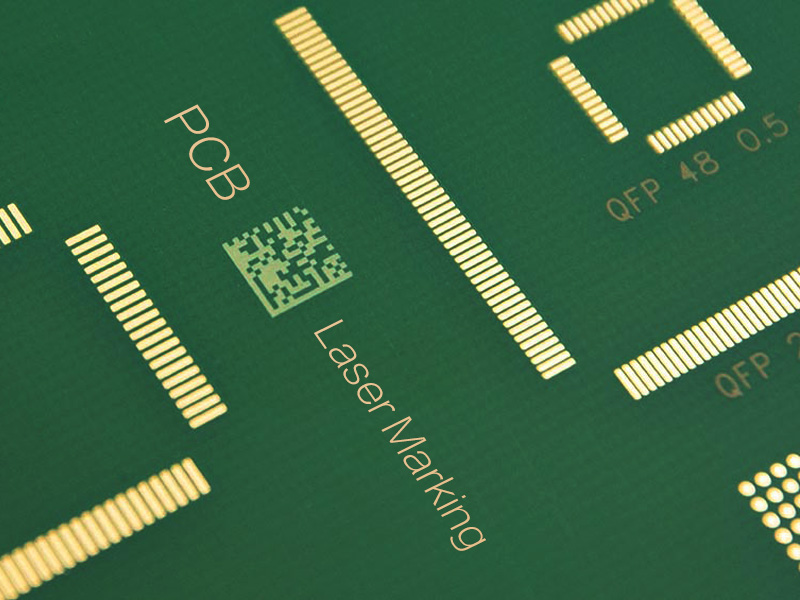
How To Choose A Custom PCB Laser Marking & Engraving & Etching Machine?