Every European fabricator has opened a Chinese quote and wondered how the numbers are even possible. The short answer is that the gap is real, structural, and measurable, but it is also narrower than the headline price suggests once freight, duties, and lead time land on the invoice.
This comparison puts official labor and energy data next to the shop rates fabricators actually report in machining forums, then shows where owning the cutting machine changes the math.
What Drives the Cost Gap
Five inputs decide what an hour of sheet metal work costs in any country, and each one tilts the same direction.
• Labor: wages plus social contributions, the largest single line in most Western shops.
• Energy: electricity for lasers, compressors, and chillers, plus assist gas.
• Machine amortization: purchase price spread over productive hours, punished badly by low utilization.
• Materials: China produces most of the world's steel and aluminum, so its shops buy at mill door prices.
• Overhead and compliance: rent, insurance, certifications, and administration.
Cost Per Hour Compared: Spain, France, and China
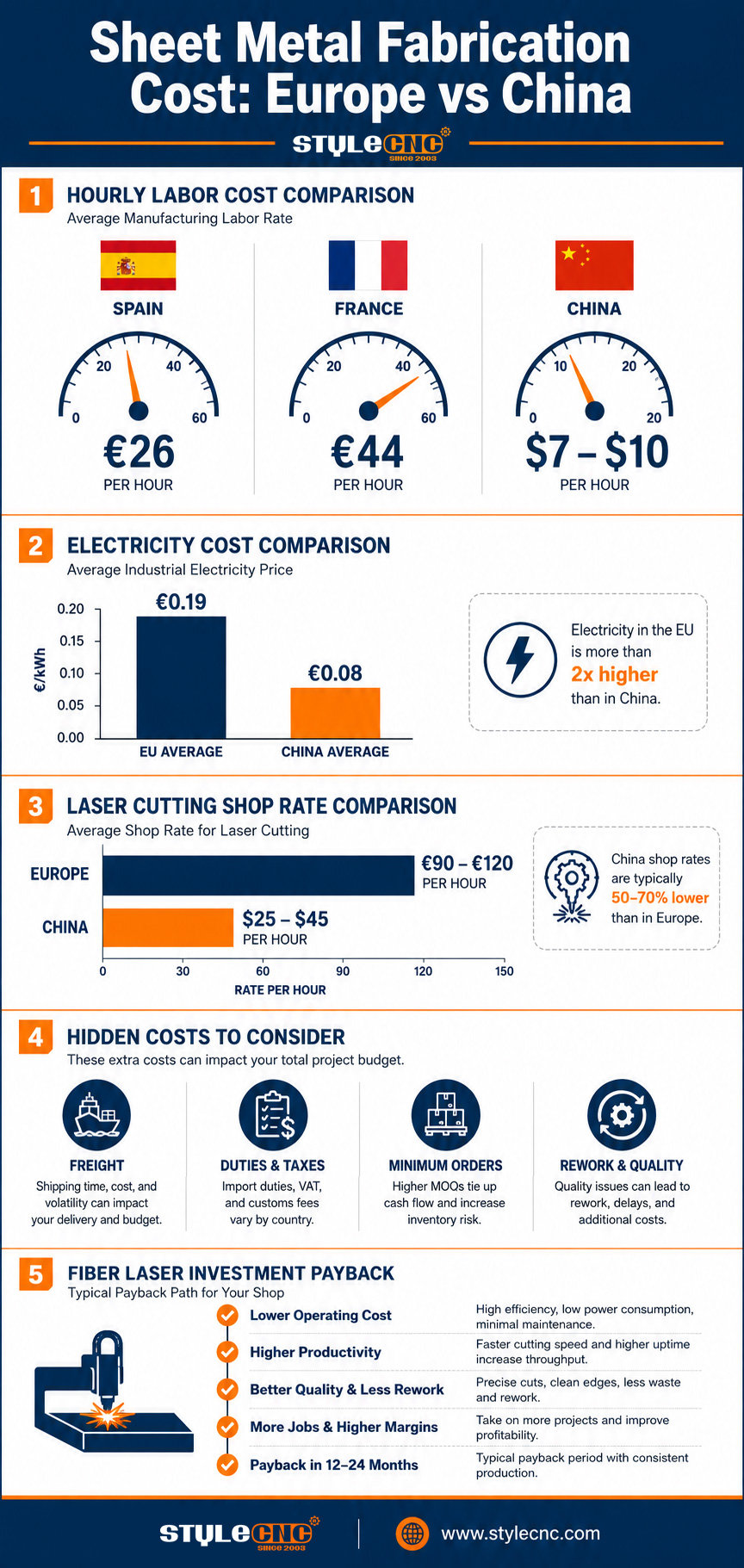
The labor baseline comes from official statistics. Eurostat's latest hourly labor cost estimates put the EU average at €34.9, with France near €44 and Spain near €26. Chinese manufacturing labor lands around $7 to $10 per hour fully loaded, based on National Bureau of Statistics wage data.
| Cost Factor | Spain | France | China |
|---|---|---|---|
| Measurement (hourly labor cost, official data) | ≈ €26 (~$28) | ≈ €44 (~$48) | ≈ $7 to $10 loaded |
| Industrial electricity per kWh (approx. mid band) | ≈ $0.13 to $0.15 | ≈ $0.15 to $0.17 | ≈ $0.08 to $0.10 |
| Fiber laser machine hour (power, gas, consumables, no labor) | $10 to $20 | $12 to $24 | $6 to $14 |
| Typical quoted laser cutting rate per hour | $90 to $160 | $110 to $200 | $25 to $50 |
| Loaded fabrication shop rate per hour | $50 to $85 | $70 to $110 | $15 to $35 |
| Lead time to a Western European buyer | Same week | Same week | 4 to 8 weeks by sea |
Shop rate and machine hour figures are approximate market ranges drawn from fabricator forum reports and current pricing guides rather than any single published tariff. The headline numbers behind them:
• France carries the highest non wage burden in the EU, at 32.3 percent of total labor cost, against under 26 percent for the euro area average.
• EU businesses paid about €0.19 per kWh on average in the most recent Eurostat electricity price statistics, although French industrial prices fell sharply in the latest half year data.
• The IEA's latest electricity price analysis finds EU energy intensive industry still pays more than 50 percent above Chinese levels.
• Skilled Western machinists earn $35 to $50 per hour before overhead, which pushes loaded shop rates to $80 or more, while comparable Chinese shops quote $20 to $35.
Where Europe Pays More
Labor and social overhead
A French fabricator pays nearly a third of every labor euro in social contributions before a single sheet is cut. Spain sits well below France, which is why Spanish job shops often undercut French ones on the same work, yet both remain a multiple of Chinese rates.
Energy
Electricity is the second structural gap. A 6 kW fiber laser with its chiller and compressor draws meaningful power all shift, and nitrogen assist gas can add $10 to $15 per cutting hour on stainless work. European prices have eased from their peak, but the IEA gap to China has not closed.
Utilization
Chinese fabrication plants commonly run two or three shifts, so machine amortization spreads across far more hours. A European machine cutting one shift carries the same loan on a third of the output. This is the one gap a buyer can actually control.
The Hidden Costs in a Chinese Quote
The per part price is only the opening number. Sea freight, insurance, import duties, and VAT deposits stack onto it, and minimum order quantities push cash into inventory that sits on a shelf for weeks.
Quality risk is the cost fabricators mention most in forums: pristine first batches followed by drifting tolerances, plus the travel and rework bills that follow. Careful supplier vetting closes much of that risk, and our guide to selecting Chinese CNC manufacturers covers the certificates, component brands, and inspection steps that separate exporters worth trusting.
Exchange rates cut both ways. A contract priced when the euro is strong can look very different two quarters later, so serious buyers model at least two currency scenarios before committing volume.
The In House Fiber Laser Hedge
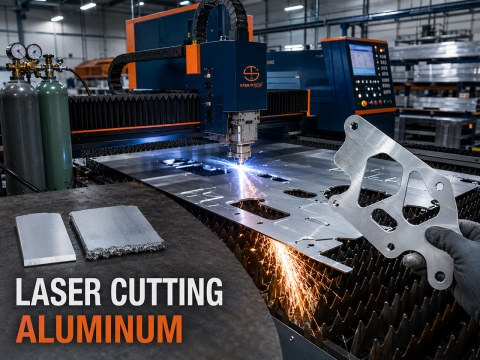
For European shops, the strongest answer to rising hourly rates is owning the machine hour. A sheet metal laser cutter bought at Chinese manufacturer pricing runs an internal cost of roughly $12 to $24 per hour in Europe, power, gas, and consumables included, against outsourced rates of $110 to $200.
The payback math is blunt: a shop outsourcing 60 hours of cutting a month at $130 per hour spends about $7,800 monthly, enough to finance most entry and mid range fiber laser cutting machines while keeping lead times inside the same week. UK dealers now place the tipping point as low as £1,500 of outsourced cutting per month.
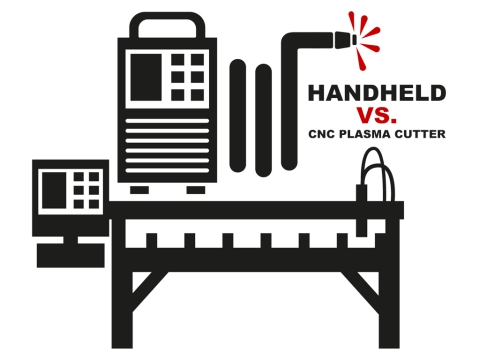
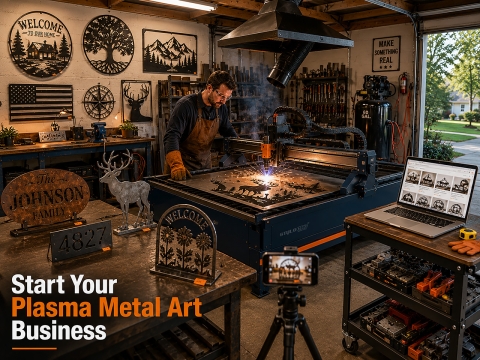
Shops cutting mostly thick mild steel can hedge for less: a CNC plasma cutter for sheet metal handles heavy plate at a fraction of fiber laser capital, and our breakdown of how much a plasma cutting table costs shows where that budget line sits.
Questions Real Buyers Ask
These phrasings surface constantly in fabrication forums and search bars, and each maps to a section above.
• "Why is my French fabrication quote triple the Chinese one?"
• "What does laser cutting actually cost per hour in Europe?"
• "Is China still cheaper once freight and duties land?"
• "How much does electricity add to a laser cutting hour?"
• "At what point does buying our own laser beat outsourcing?"
Common Mistakes When Comparing Quotes
• Comparing an ex works Chinese piece price against a delivered European one.
• Treating the labor gap as the whole story while ignoring energy, gas, and social overhead.
• Locking a long contract to a single exchange rate scenario.
• Assuming coastal Chinese pricing applies across every region and supplier.
• Comparing a bare machine hour rate against a fully loaded shop rate.
• Leaving rework, inspection visits, and scrap out of the landed cost.
• Sizing an in house machine on current volume with no growth headroom.
Cost Comparison Checklist
✔ Convert every quote to a landed cost per part, with freight, duties, packaging, and payment terms included.
✔ Ask each shop for its machine hour rate and its loaded shop rate as separate numbers.
✔ Request the energy surcharge line; many European shops now itemize electricity.
✔ Model the contract under at least two exchange rate scenarios.
✔ Price the in house option honestly: machine payment, power, gas, consumables, and one operator hour.
✔ Put a value on lead time: weeks on the water against same week cutting in house.
✔ Demand material certificates and traceability in every market before comparing prices.
Frequently Asked Questions
What do shops actually charge per hour for laser cutting?
Real rates vary widely with volume and machine age. In a Practical Machinist thread on laser pricing, one low volume shop billed $200 per hour on older CO2 machines, while members running modern fiber equipment described a far more competitive market where high running costs punish outdated gear. Most Western quotes land between $100 and $200.
Why are Chinese fabrication quotes so much lower?
Labor, overhead, and material proximity stack together. In a recent Practical Machinist thread, a one man Western shop quoted $40 per part and watched a Chinese factory deliver the same parts for $2.50 each, anodizing included. Inexpensive engineering hours and mill door steel and aluminum supply deepen the gap well beyond wages.
What hourly rates do general CNC and fabrication shops report?
In a Practical Machinist rate discussion, shops reported roughly $60 per hour for manual machines, $100 for CNC mills and lathes, and $120 and up for waterjet and laser time, with regional going rates between $75 and $125. Complex, tight tolerance, or rush work prices above those bands everywhere.
What surprises buyers who import machines directly from China?
Customs handling and waiting. On the LightBurn Software forum, a buyer weighing a direct fiber laser purchase found the machine far cheaper even after $800 in shipping, but had to plan for customs fees, brokerage, and months on the water against next week delivery from a domestic warehouse. Budget duties and time, not just the sticker.
Is buying machinery direct from China risky for support?
It is a tradeoff owners weigh openly. In a Garage Journal import thread, a buyer paid about $3,200 delivered for a machine matching a $13,000 domestic equivalent, using platform escrow for protection, while experienced members noted domestic resellers earn their premium through supported hardware, software, and phone help. Component brands and service terms decide the risk.
When does an in house machine beat outsourcing to China?
When speed, custom work, and accountability outweigh commodity price. Practical Machinist members debating Chinese prices concluded that competing head on for simple high volume parts is a losing game, while in house capacity wins on fast turnarounds, design iteration, liability coverage, and certified materials that overseas quotes rarely match.
Get a Payback Estimate for In House Cutting
Rising European shop rates are a math problem, and owning the machine changes the equation. STYLECNC has manufactured fiber laser and CNC machines since 2003, supporting fabricators in more than 180 countries with lifetime technical support and operator training.
Send our engineers your monthly cutting volume, materials, and thicknesses for a free payback estimate. Call or WhatsApp +86-187-6614-8818, email info@stylecnc.com, or visit www.stylecnc.com to request a tailored quote.