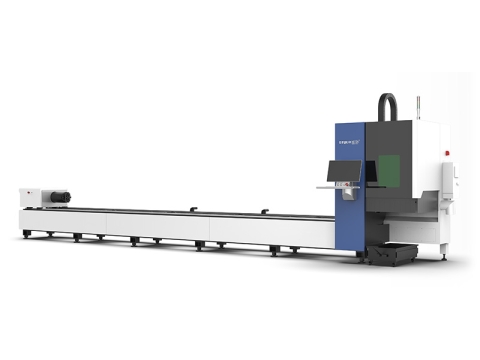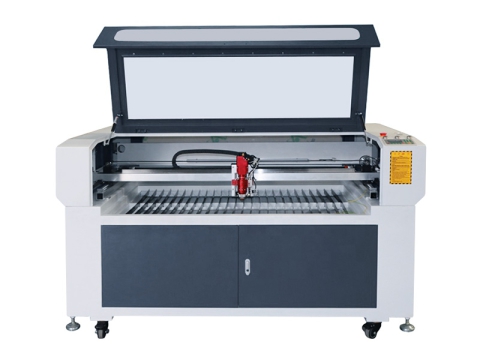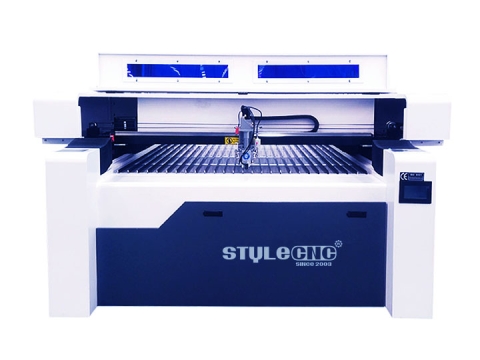
MDF Crafts Laser Cutting Machine Projects
MDF crafts laser cutting machine adopts different laser power to cut different thickness MDF board, it is mainly used in crafts and arts work shop.
Looking for 3D wood puzzle laser cut files, laser cut projects or laser cut ideas? Review the free 3D laser cut wood puzzle vector files of DWG, DXF, and CDR for plywood houses, wood tractors, wood bulldozers, and decorative gift boxes of hinged, lid, and rounded.
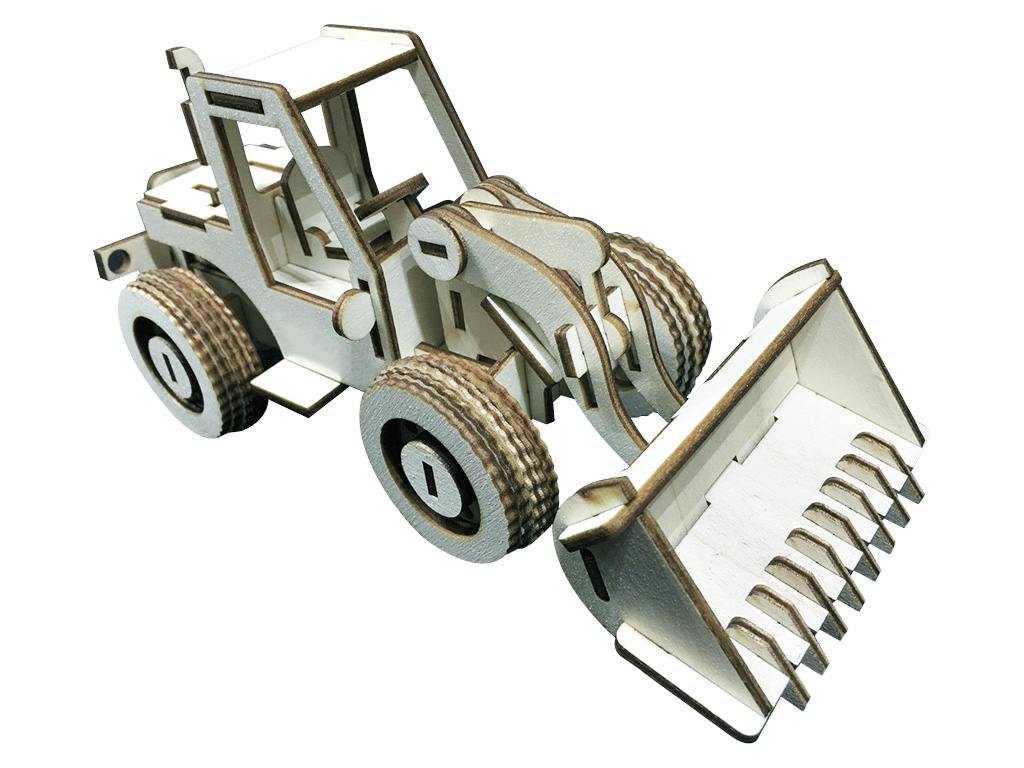
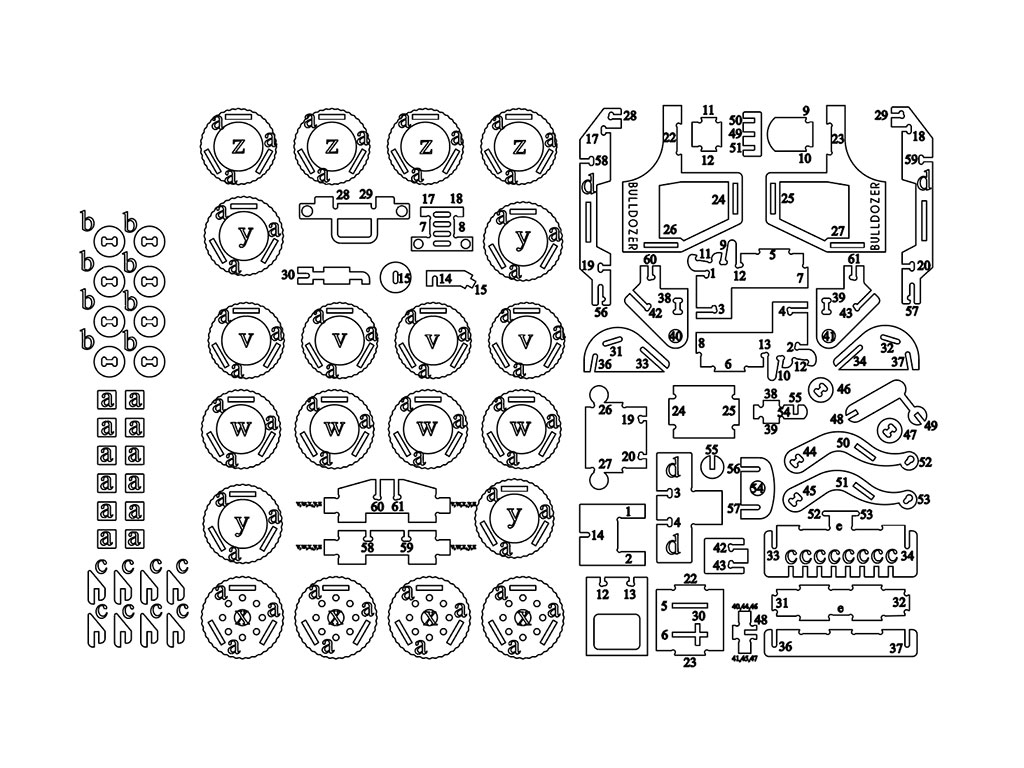
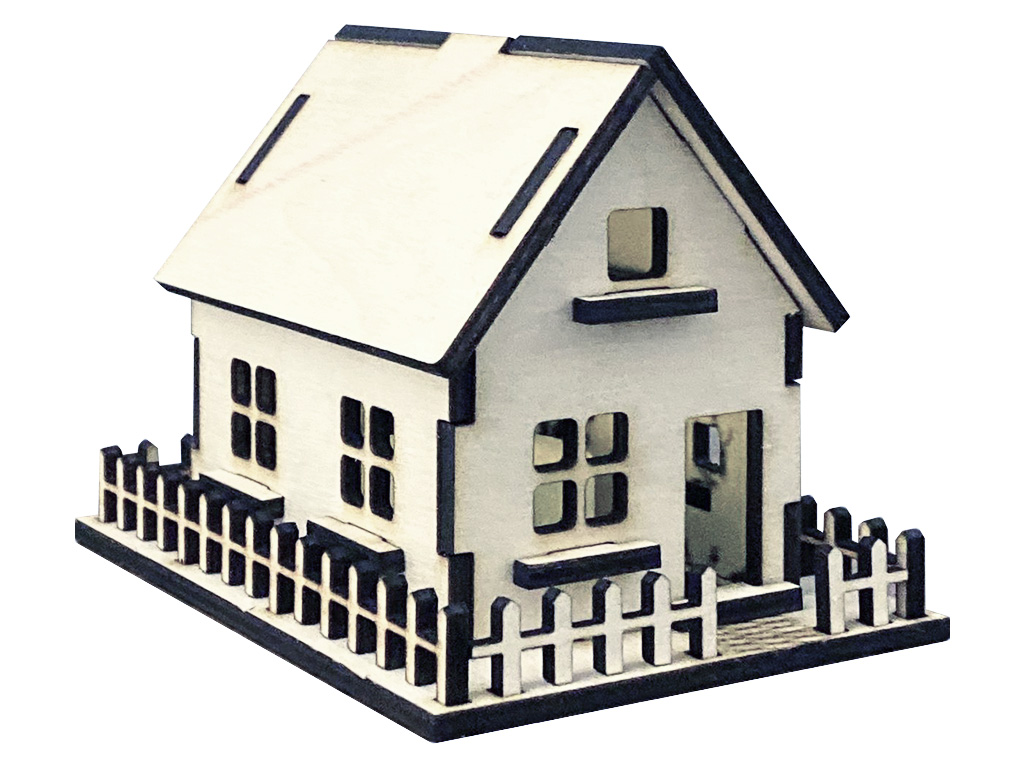
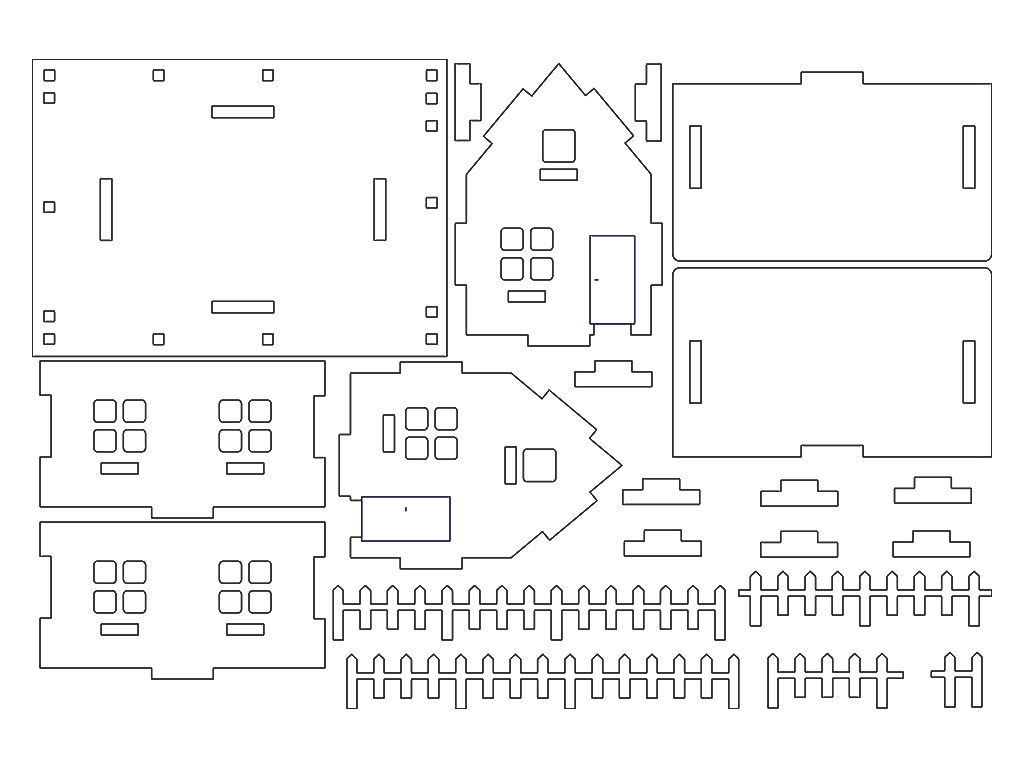
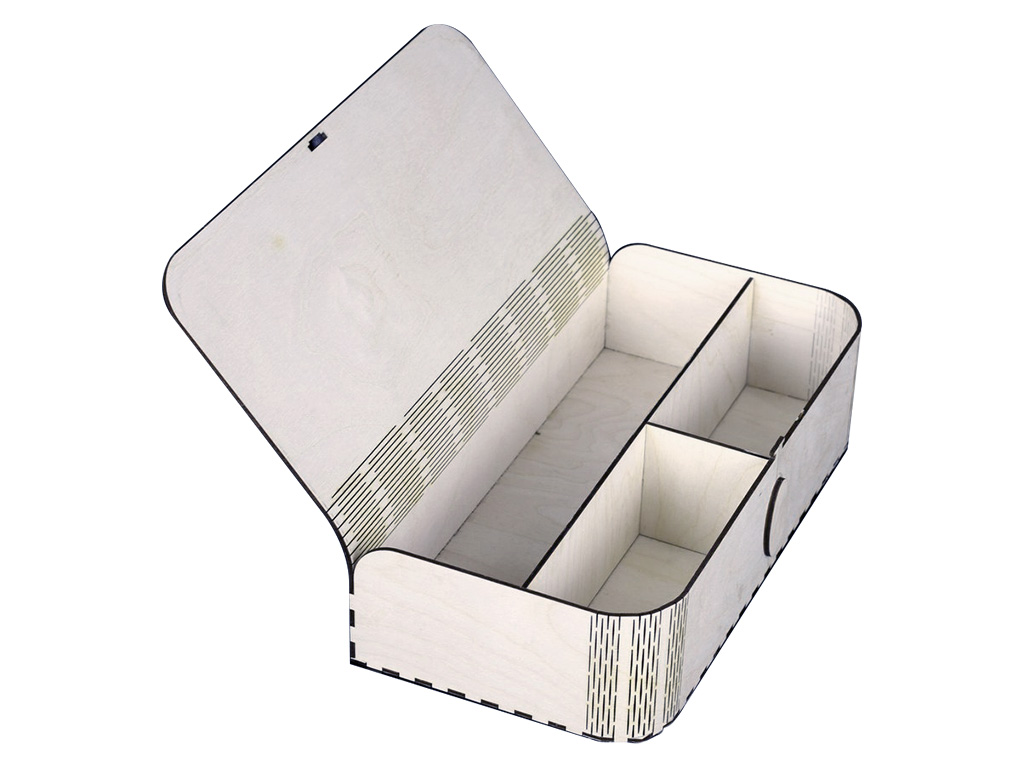
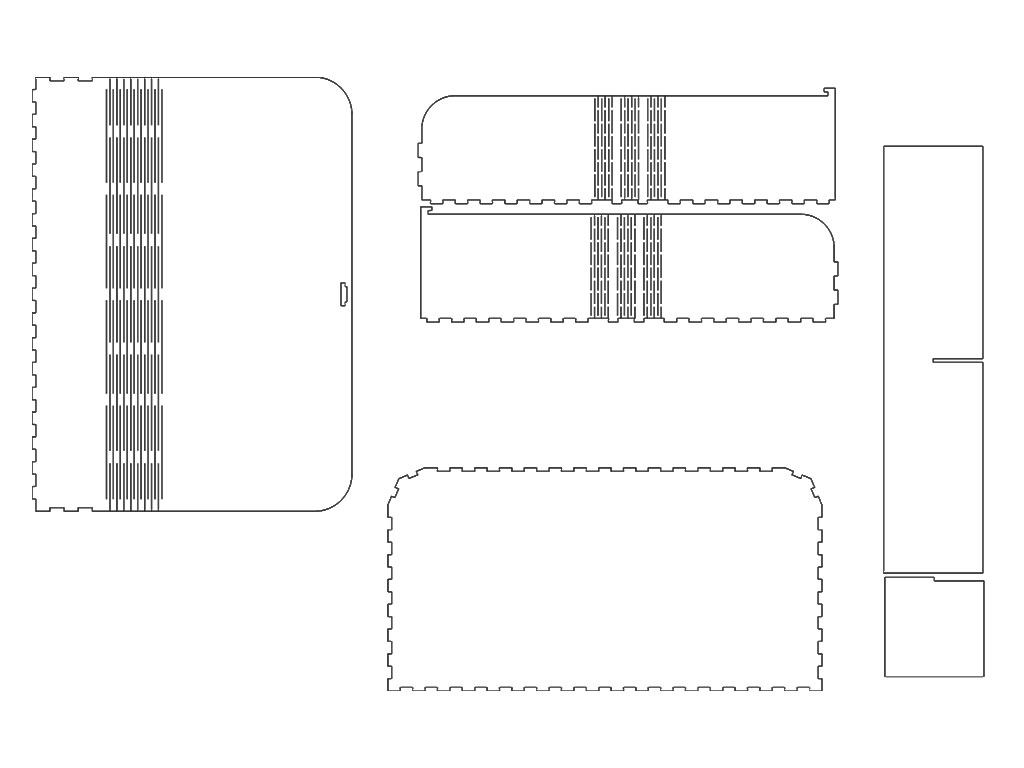
Laser cutter is a machine tool that adopts a fiber or CO2 laser beam to cut wood, plywood, MDF, acrylic, plastic, leather, fabric, textile, and metals, which is used for industrial manufacturing applications, school education, small business, home shop, and hobbyists. A laser cutter works by directing the tool path of a laser beam, by CNC at the material to be cut. The material will melt, burn, and vaporize, which will be blown away by gas, leaving a smooth edge with a high-quality cutting surface. Laser cutters can be used in various industries.
DIY craft and digital fabrication have become a fascinating hobby with the blessing of 3D laser cut technology. Whether you are a hobbyist or a seasonal woodworker, 3D wood laser cutting is going to through challenge and also will showcase the beauty of woodworking. Precision engineering and creativity together create unimaginable beauty.
Complex and intricate designs for puzzles are now more précised and perfectly fit. The advancement of a 3D laser cut machine for wood shows the ability to turn a plain wood piece into a functional 3-dimensional object!
The high-power laser beam does the engraving and precise cut and delivers aesthetic products out of wood.
3D laser-cut wood puzzles are perfectly fit products. This method offers precise and faster manufacturing. Let's take a look at the benefits of 3D laser-cut wood puzzles.
✔ Precision and Detail: Laser cutters can achieve extremely fine details that are difficult to replicate with traditional woodworking tools.
✔ Customization: You can design your puzzles or modify existing designs to suit your preferences.
✔ Consistency: For commercial and large manufacturing projects a 3D laser cut machine can consistently reproduce a product with identical accuracy.
✔ Educational Value: These puzzles are great for developing spatial awareness, problem-solving skills, and patience.
✔ Minimal Waste: Precision cutting ensures minimal waste and increases efficiency.
✔ Decorative and Functional: Finished puzzles can serve as beautiful decorative pieces or functional items like boxes or models.
With access to design files, next choose a project. Here are some project ideas that will help and inspire your next 3D laser-cut wood project.
I. Jigsaw Puzzles
Create custom jigsaw puzzles by engraving a photograph or artwork onto the wood before cutting. Laser-cut jigsaw puzzles are more durable and aesthetically pleasing. Ensure the image aligns perfectly across all pieces after cutting.
II. Interlocking Puzzles
Interlocking puzzles are the classics with simple geometric shapes. They can come in complex designs as well. These puzzles consist of pieces that fit together in a specific way to form a cohesive structure.
III. Mechanical Puzzles
These are complex and intriguing puzzles that can include gears, levers, and other mechanisms. Mechanical puzzles come with moving parts that may need to be manipulated to solve the puzzle.
IV. 3D Animal Puzzles
3D animal puzzles are fun. These puzzles involve assembling flat pieces to form a three-dimensional animal model.
V. Architectural Models
These serve as educational tools and also decorative objects. As puzzles, architectural models offer a unique way to recreate famous buildings or structures.
VI. Puzzle Boxes
Puzzle boxes are usually gift boxes. These boxes come with functional puzzles and to open the box one must solve the puzzle first.
Combining creativity and precision, a 3D laser-cut wood can offer several unique and successful projects. A few tips may come inspiring to create something new.
• Designing the puzzle is the first step to start your project. Use vector graphic software to create your designs. Ensure that your puzzle pieces will fit perfectly. Always take a test cut to check your settings and the fit.
• Three types of wood materials are most commonly used, they are, plywood, hardwood, and acrylic. Choose high-quality plywood to avoid issues with voids. Use maple, walnut, or cherry wood for premium production and finish.
• Once the product is done sand the edges to remove any burn marks. Apply a finish to enhance the look at protect the wood.
You can add paint and colors to your products to make them eye-catching. Another personal touch like engraving is very common. This will make the products unique and make it a signature item.
Free Download 3D Laser Cut Wood Puzzle Files
3D-Laser-Cut-Wood-Puzzle-Files.zip
The hardest part of a laser-cut puzzle is making pieces fit, and it comes down to kerf. The laser burns away a thin line of material as it cuts, usually a fraction of a millimeter wide, so a slot cut to its tab's exact width ends up slightly loose. For a snug press-fit, you either widen tabs and narrow slots to allow for the kerf, or adjust it with test cuts. Cut one joint first, check the feel, and tweak from there. Too loose and the model falls apart; too tight and thin plywood cracks as you assemble it. Good laser cutting software sets this kerf offset for you.
Wood puzzles are a job for a CO2 laser cutter. A CO2 beam is readily absorbed by wood, so it slices thin plywood cleanly, whereas fiber lasers are built for metal and are not used for wood. Thin plywood around three millimeters usually cuts in a single pass once power and speed are set right. Too slow and the edges scorch; too fast and it does not cut through, so a quick test on scrap saves material. It also pays to use void-free, laser-grade plywood, since cheap sheets with internal gaps leave ragged edges and loose joints.
| Material | Cuts Like | Best For |
|---|---|---|
| Birch or basswood plywood | Clean, light edges | Most 3D puzzles |
| MDF | Clean but dark edges | Budget builds |
| Hardwood (maple, walnut) | Slower, rich grain | Premium gift pieces |
| Acrylic | Crisp, glossy edges | Colorful, durable puzzles |
• Design or download vector files with tab-and-slot joints.
• Use void-free plywood around three millimeters thick.
• Add a kerf offset for snug joints.
• Run a small test cut before the full sheet.
• Mask and sand to keep edges clean.
Stainless steel earns its name from a whisper-thin chromium oxide layer that heals itself and blocks rust, and that same chemistry shapes how it cuts. The metal conducts heat poorly, so laser energy lingers at the kerf instead of draining away; that helps a modest source cut efficiently, but it also means heat tint, the blue and straw discoloration, appears quickly if the pace is wrong. Cutting with nitrogen keeps oxygen away from the hot edge, so the cut stays bright and the protective layer reforms cleanly. Oxygen or air will cut it too, but they leave an oxidized edge that often needs cleanup before welding or food use. If you do see tint, dross, or a rough edge, the cutting problems guide walks through the usual causes.
Much stainless work is decorative, and the surface is the product. Sheets arrive with a plastic protective film: cut with it on, film side up, and peel it only after the parts leave the table, so slag spatter and handling never touch the metal. On brushed finishes, treat the grain like wood: rotate parts in the nest so the brush lines run the same way, or panels that sit side by side will catch light differently. The sawtooth table underneath minimizes contact marks on the back face, and clean gloves keep fingerprints off polished work. You can see the clean results on film-protected sheet in this stainless cutting video.
Honest expectations make happy owners. At this power the machine lives in thin and medium stainless, which is exactly where most paying work sits: sign letters, decorative screens and panels, kitchen and food-service parts, enclosures, tags, and trim, all fitting the full four by eight sheet. Near its thickness ceiling it still cuts, just patiently, and the two and three kilowatt options raise that ceiling and the pace. The funnel under the table drops small finished parts straight into a bin, which suits tag and token runs nicely. Browse the stainless project samples for the range, and when plate work arrives, a heavy-duty fiber cutter is the step up.
Cutting stainless vaporizes a little of everything in the alloy, and that includes chromium and nickel, which make a fume you should never treat casually; hot chromium compounds are seriously harmful to breathe. The funnel collection system under the table gathers slag and small parts, but the airborne share belongs to extraction: run a fume extractor or ducted blower every cut, vent it outdoors, and keep your face out of the plume when inspecting work. Good airflow also keeps the sealed cutting head's protective window cleaner for longer, which protects cut quality between maintenance stops.
| Stainless Gauge | Typical Work at This Power |
|---|---|
| Thin sheet | Sign letters, decor panels, tags, trim |
| Medium sheet | Kitchen equipment, enclosures, brackets |
| Near the ceiling | Small parts at a patient pace |
Leave the protective film on until after cutting.
Align brushed-grain parts the same way in the nest.
Use nitrogen when the edge will show or be welded.
Duct the extractor outside; stainless fume is nasty.
Handle finished faces with clean gloves.
Thin, void-free plywood is the go-to, usually birch or basswood around three millimeters thick, since it cuts clean and holds fine tabs. MDF is cheaper but leaves darker edges. Hardwoods like maple or walnut look premium but cut slower.
Not really. Fiber lasers are made for metal, and their wavelength is a poor match for wood. Wood is a CO2 or diode job. Fiber laser cutters are for metal work; for plywood puzzles, stick with CO2.
Adjust for kerf. If joints come out loose, add a small kerf offset so slots cut narrower; if they split, ease it back. Always test the fit on one joint in the same wood before running the whole sheet.
Cut faster at higher power rather than slow and hot, keep focus correct, and use air assist to clear smoke. Masking the surface with tape catches soot. Dialing in CO2 cutting parameters for your plywood makes the biggest difference.
You can download ready-made files, buy templates, or design your own tabs and slots in vector software. This page and the free laser cut files library are good starting points, in DXF, DWG, CDR, or SVG that laser software opens.
Yes, they sell well. Material cost is low, each cut is repeatable, and you can personalize pieces with engraved names or dates. Custom models, gift boxes, and kits sell well at craft fairs and online as keepsakes.
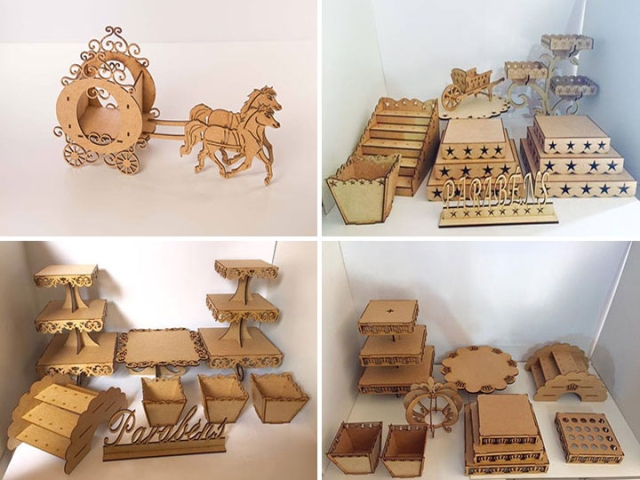
MDF crafts laser cutting machine adopts different laser power to cut different thickness MDF board, it is mainly used in crafts and arts work shop.
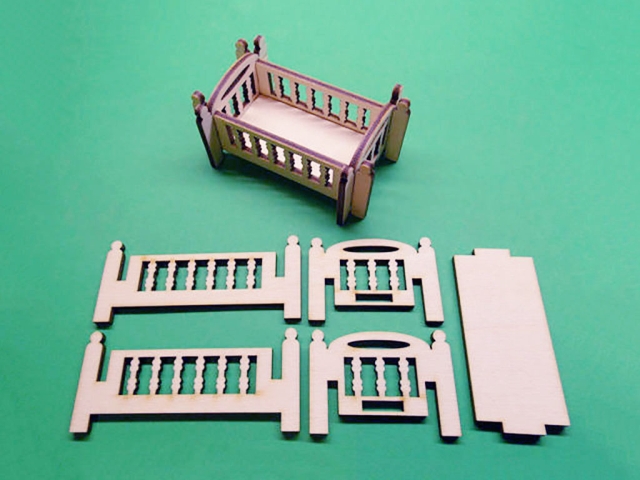
Here is a collection of popular laser cut wood baby doll crib & bed projects & ideas (plywood & MDF), with design and layout files available for free download.
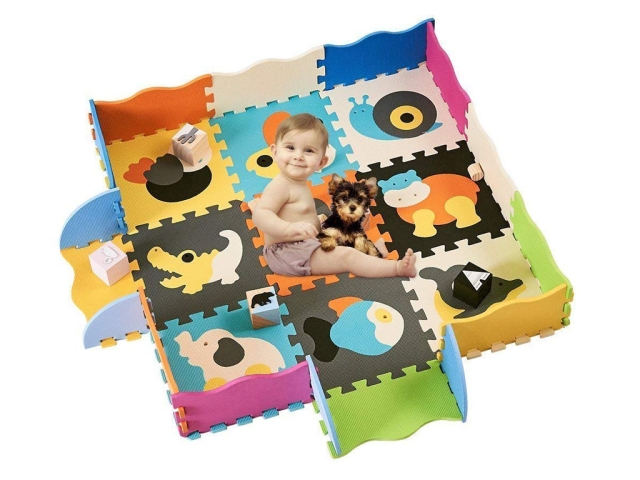
Are you searching for a precision laser cutting system for custom EVA foam projects? Review the awesome cuts by STYLECNC CO2 laser foam cutter for reference.