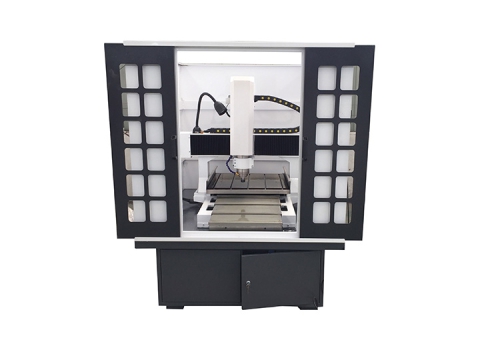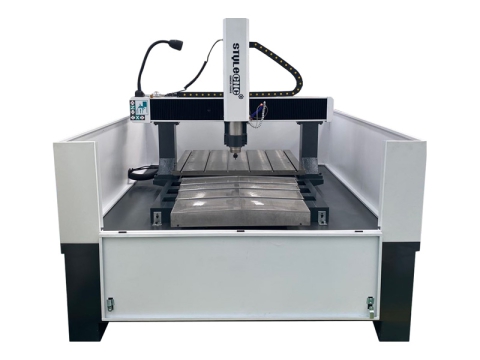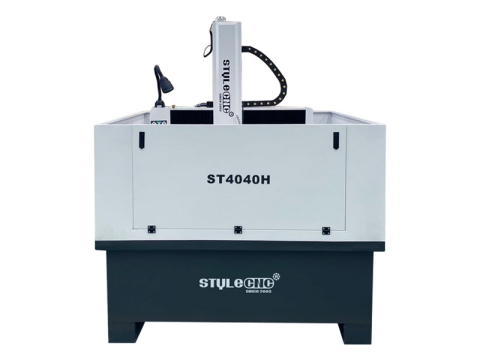
So far this automatic milling machine is as good as I expected and serves its purpose in my gunsmith shop to repair, design, modify, or build guns. Sturdy enough with its structure for metal fabrication. If you take the time to learn the CNC controller software, the mill table will be easy to use and provide excellent quality works. In addition, there are some upgrade kits to bring it to the next level. I recommend ST7090-2F for the price and quality.
Automatic CNC Milling Machine for Mold Making
Last Updated: 2026-06-26 08:55:37
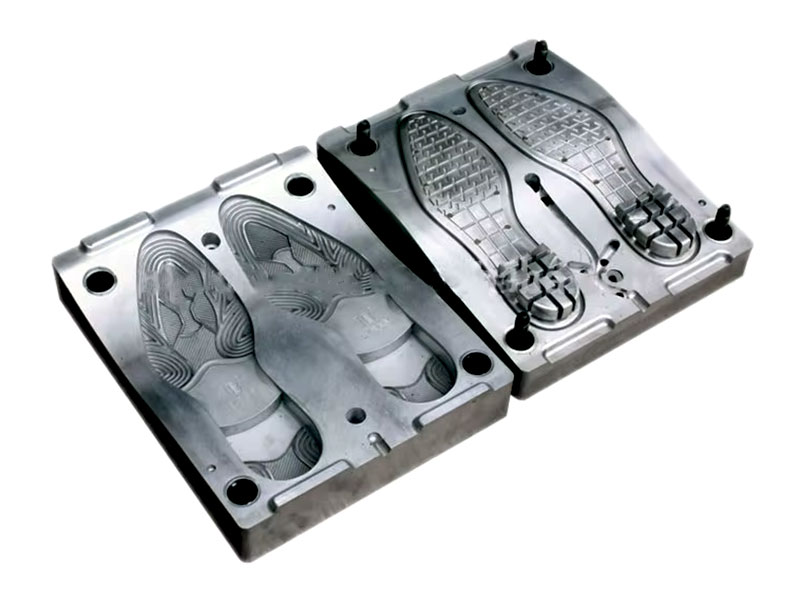
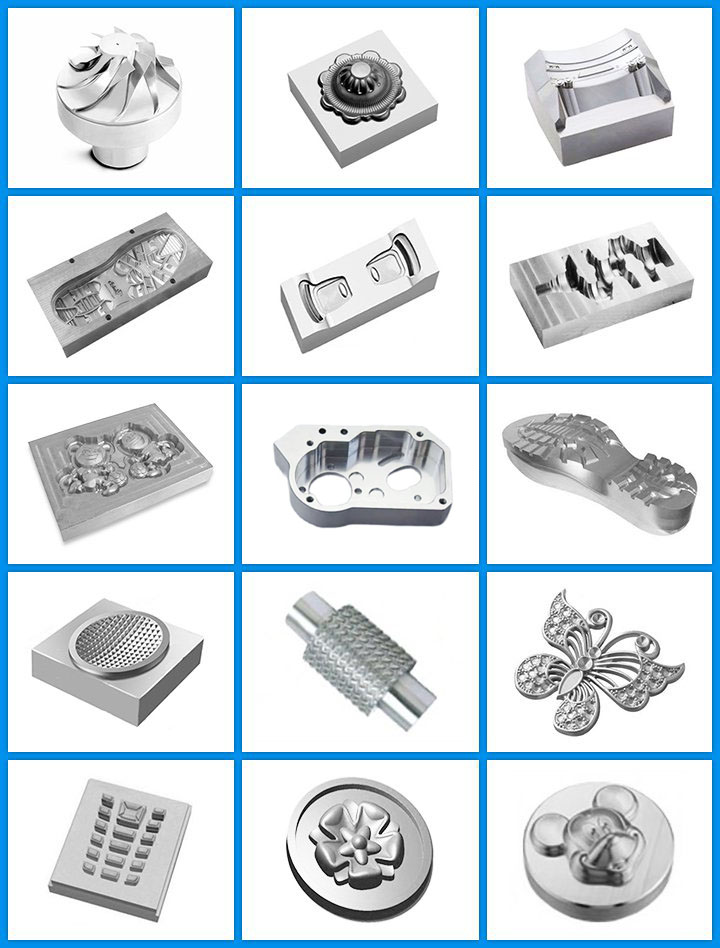
Automatic CNC milling machine is used for mold making and 3D milling, covering the production of various types of molds—such as those for metal molds, watch parts, metal electrodes, shoe molds, metal crafts, and jewelry—and is capable of performing 2D or 3D relief machining on a wide range of materials.

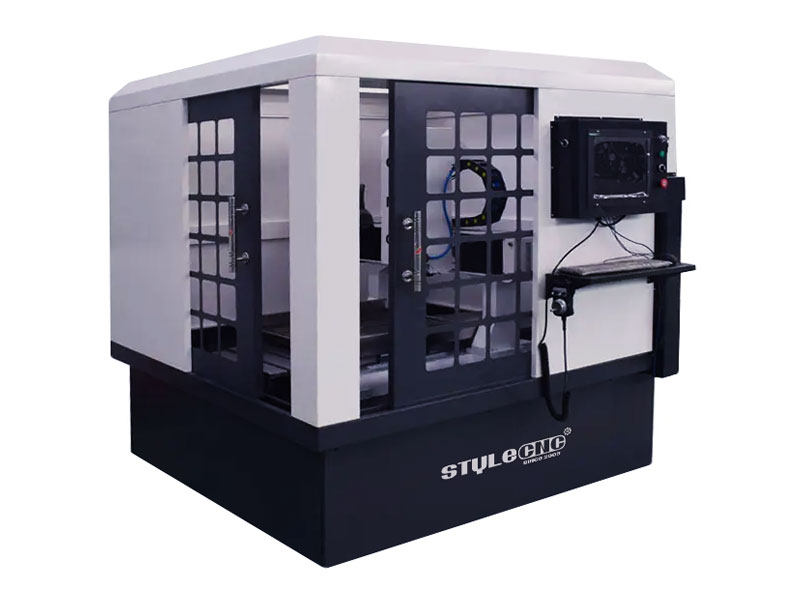
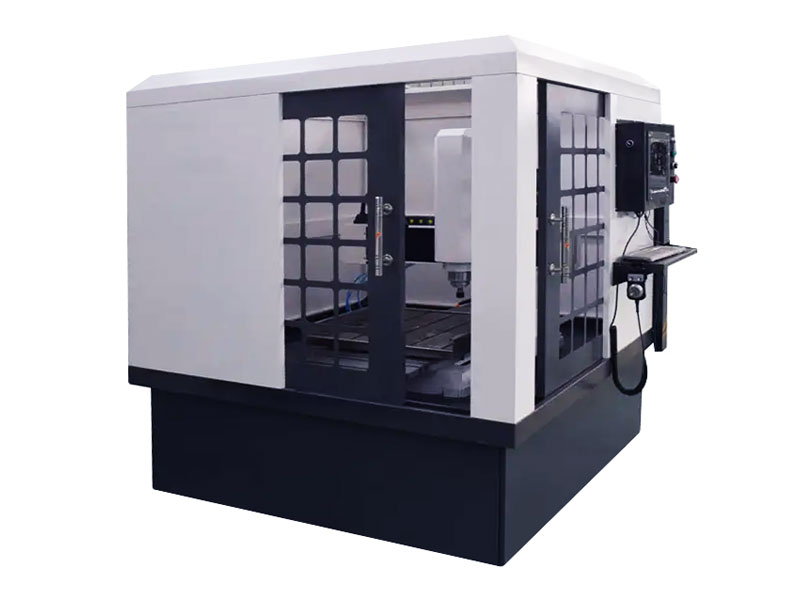
- Brand - STYLECNC
- Model - ST7090-2F
- Maker - Jinan Style Machinery Co., Ltd.
- Table Size - 700mm x 900mm
$9,000 - $18,500 for Basic & Pro Editions
- 360 Units in Stock Available for Sale Every Month
- Meeting CE Standards in Terms of Quality & Safety
- One-Year Limited Warranty for Entire Machine (Extended Warranties Available for Major Parts)
- 30-Day Money Back Guarantee for Your Purchase
- Free Lifetime Technical Support for End-Users & Dealers
- Online (PayPal, Alibaba) / Offline (T/T, Debit & Credit Cards)
- Global Logistics and International Shipping To Anywhere
A CNC milling machine is an automatic computer-controlled manufacturing tool, working with programmed instructions, using a milling cutter to remove excess from a workpiece, resulting in precise shapes with high repeatability.
CNC milling machines are extremely popular for precision machining of most materials, including metals, wood, and composites, allowing complex designs and high-tolerance parts to be created with an automated process.
CNC mills are typically used in mold making, prototyping, making parts for aerospace, automotive industries, electronics, medical devices, and custom tooling along with fixtures. What gives them a critical standing within modern manufacturing workflows is that they can perform various functions, including cutting, engraving, tapping, grooving, milling, drilling, tapping, and surface finishing.

Features and Advantages of Automatic CNC Milling Machine for Mold Making
• This CNC mill is inspected using a laser interferometer prior to leaving the factory.
• Enclosed workspace ensures operational safety and a contamination-free environment.
• Features an integral cast-iron gantry structure offering high stability and rigidity, achieving a machining accuracy of 0.01mm. The gantry bed and worktable utilize an integrated design for superior rigidity, eliminating assembly errors between the two and ensuring sustained machining accuracy over long-term use. The dual-column design is also integral, significantly enhancing overall machine rigidity.
• Equipped with a high-speed, water-cooled variable-frequency motor, the CNC milling machine delivers high torque, strong cutting force, and high-frequency performance with a long service life, supporting continuous, long-duration operation.
• HIWIN linear guideways: Made in Taiwan, designed for linear reciprocating motion.
• Servo motors and drives: Japanese brands known for high precision and longevity.
• SYNTEC (Taiwan) CNC control system: Powerful, user-friendly, and cost-effective.
• All three axes utilize German ball screws and Taiwanese linear guideways to ensure machining accuracy and repeatability.
• The machine features a moving-table design to maintain operational stability and high precision.
• The spindle is equipped with an oil-circulation cooling system. Various workpiece cooling methods are available, including immersion (water/oil bath) or nozzle-based mist cooling.
• Fully enclosed design featuring an external cutting-oil circulation system. The worktable is a single-piece casting, providing a stable structure and high load-bearing capacity.
• Incorporates renowned high-precision bidirectional ball screws, Taiwanese linear guideways, and high-precision bearings for superior rigidity and dynamic accuracy. Yaskawa (Japan) servo motors—characterized by high precision and high power—effectively minimize vibration amplitude, ensuring smoother movement across all three axes.
• This CNC mill is a multifunctional unit operating on principles similar to conventional CNC machines: the control system directs machine movement based on programmed code to automatically execute engraving and milling processes.
Technical Parameters of Automatic CNC Milling Machine for Mold Making
| Model | ST7090-2F |
| Table Size | 700mm×900mm |
| Working Area | 700mm×900mm×300mm |
| X/Y/Z Axis Movement Accuracy | ±0.01/300mm |
| X/Y/Z Axis Repetition Accuracy | 0.005mm |
| Gantry Width | 820mm |
| Max Loading Weight | 350kg |
| Pressure Deformation of Working Table | <0.02mm (300kg) |
| Spindle Power | 2.2KW (Optional 5.5KW) |
| Tool holder | BT20 (Optional BT30) |
| Spindle rotate speed | 3000-18000rpm |
| Max movement speed | 12m/min |
| Total power | 13.5KW |
| Motor | Yaskawa Servo Motor |
| Power supply | 380V ± 10%50Hz |
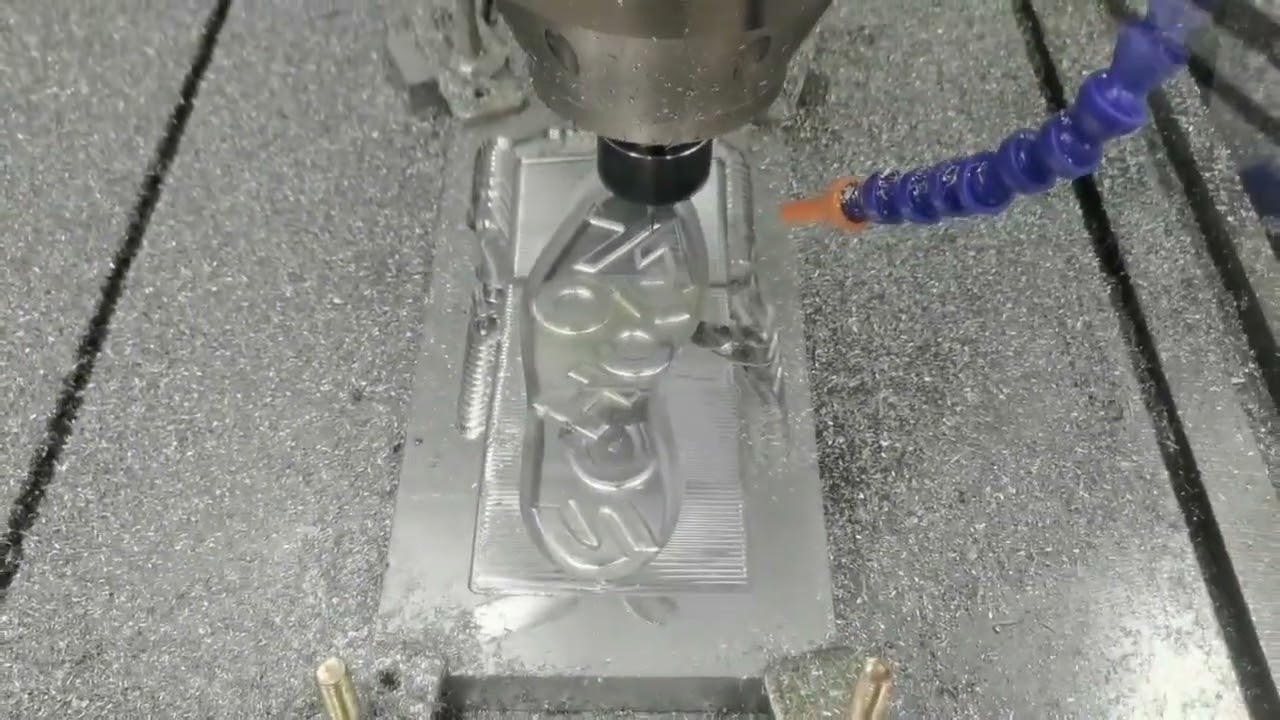
CNC Milling Process
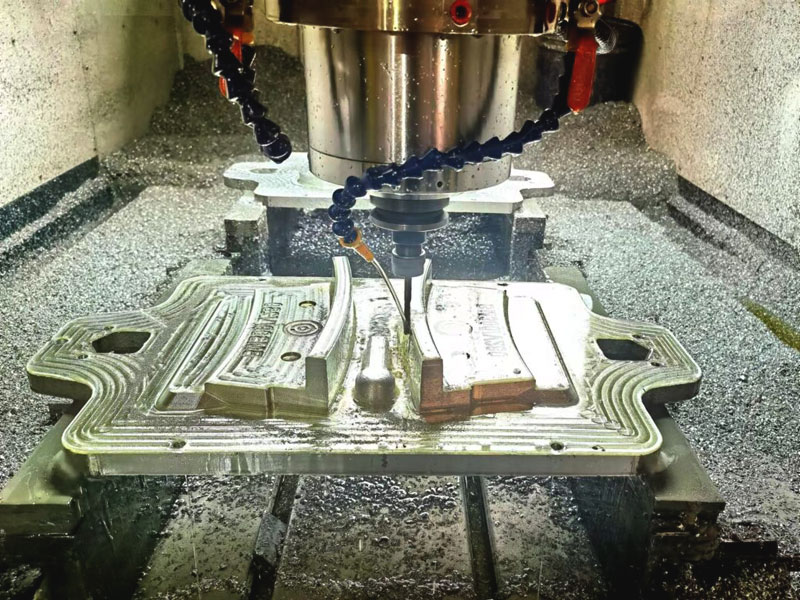
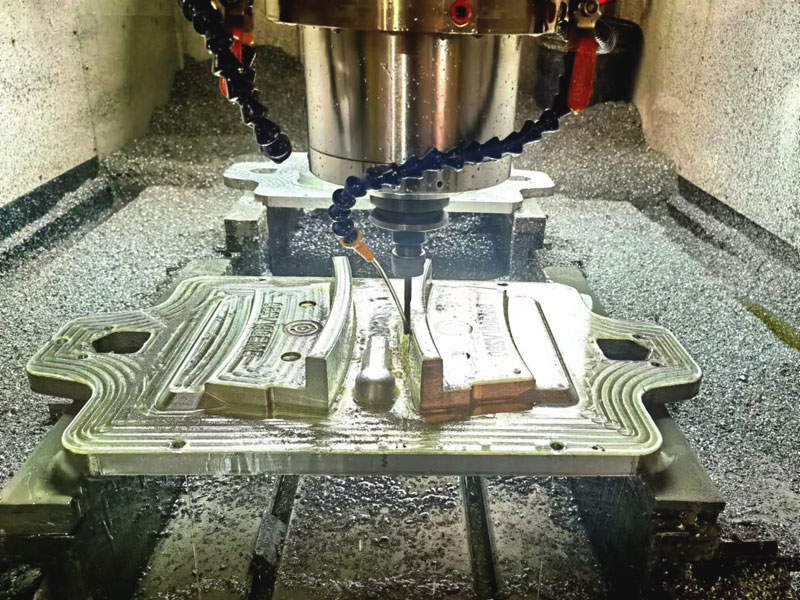
Automatic CNC Milling Machine for Mold Making Applications
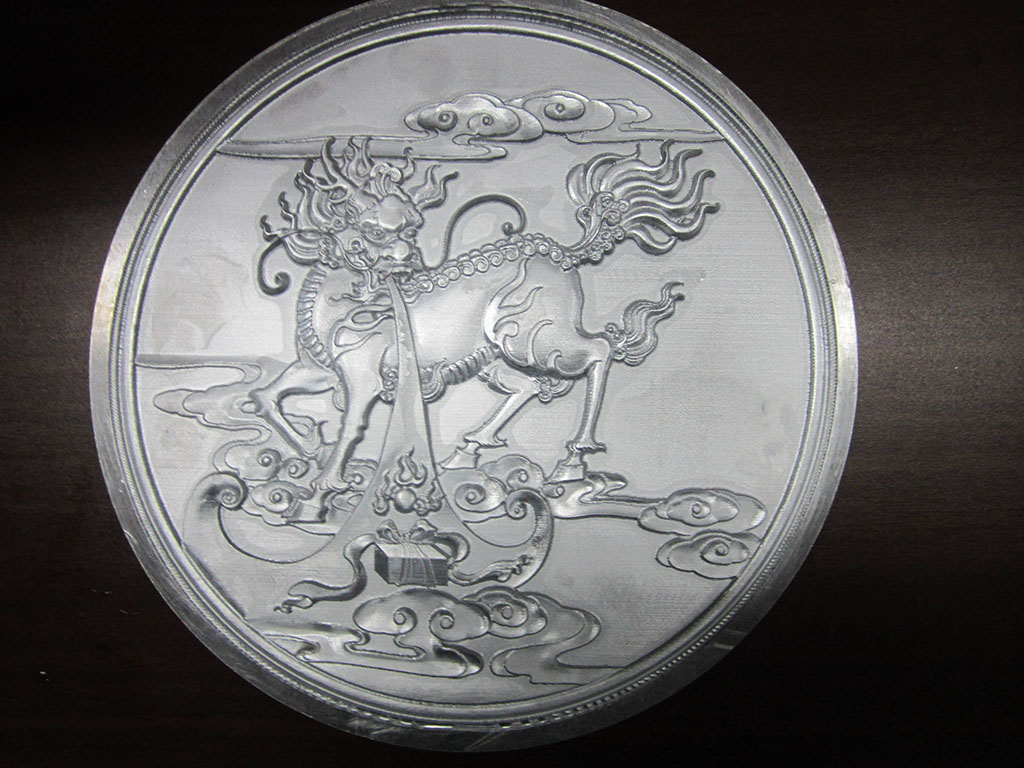
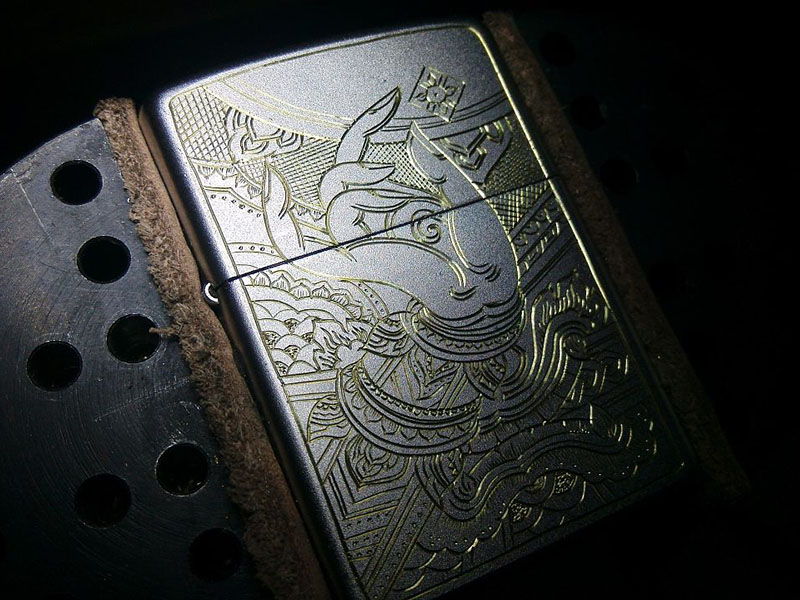
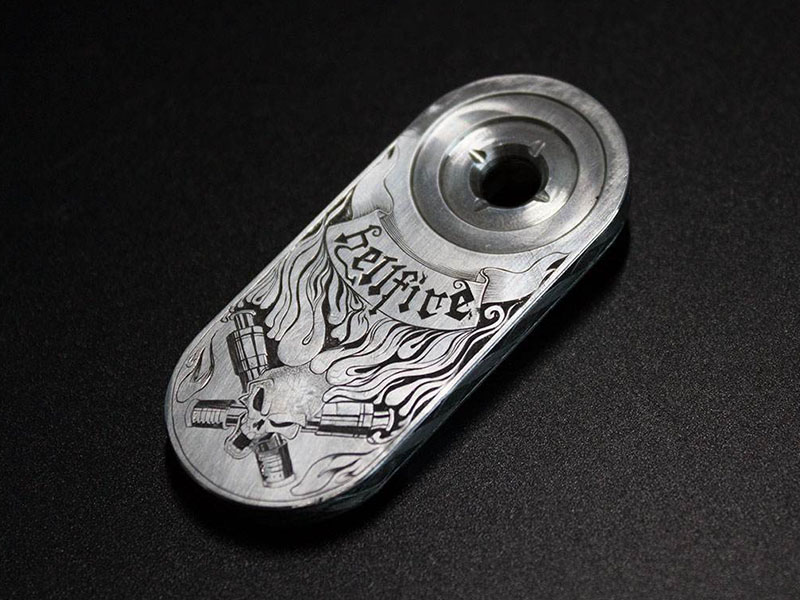
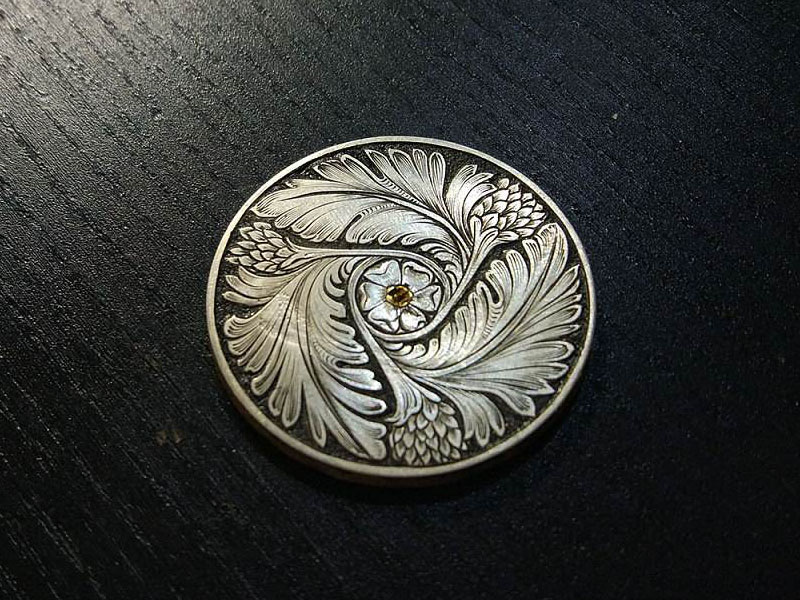
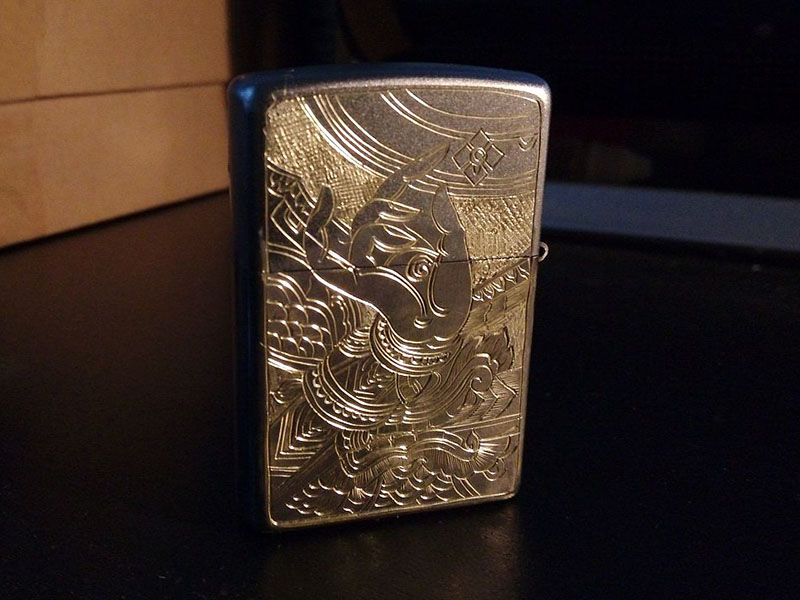
This CNC milling machine is ideal for milling most materials, including copper, aluminum, steel, iron, brass, wood, foam, and plastics. It's typically used for making injection mould, automotive, ironware mould, shoe mold, drop mold, metal molds, clock parts, copper electrodes, zinc electrodes, metal electrodes, metal crafts, metal arts, jewelry, jade, dental crown, and other molding industries. It's designed for batch machining molds, watch, eyeglasses, panel, brand, badge, outside surface's sleeking, three-dimensional graphics and words, It's easy for this milling machine to produce 2D or 3D reliefs on various materials.
Automatic CNC Milling Machine Projects


Maintenance Tips for CNC Milling Machines
CNC milling machine is a high-precision and high-efficiency machining equipment. Regular maintenance is important to keep its accuracy and extend its service life.
• Dust Cleanup: Use soft cloth and detergent to clean the surface of the engraving and milling machine equipment, keep the appearance of the equipment neat, and prevent dust and debris from entering the equipment.
• Parts Maintenance: Regularly check the various parts of the engraving and milling machine, including guide rails, transmission systems, spindles, fixtures, etc., to ensure that they operate normally, and find and solve problems in time.
• Lubrication Maintenance: Lubricate the various parts of the engraving and milling machine according to the requirements of the equipment manual to ensure the friction coefficient and operation efficiency between the parts of the equipment.
• Temperature Control: Regularly check the working temperature of the engraving and milling machine to avoid excessive temperature affecting the normal operation of the equipment, and deal with abnormal temperature problems in time.
• Cooling System Maintenance: The cooling system must be used during the engraving and milling process to ensure the heat dissipation of the spindle and tool, reduce tool wear and extend the life of the equipment.
• Regular Calibration: Calibrate the machine regularly to ensure the processing accuracy and stability of the equipment.
• Safety Protection: Ensure that the safety protection facilities around the machine are intact to ensure the safety of the operator and avoid accidents.
• Timely Maintenance: When equipment failure or problems are found, professional maintenance personnel should be contacted in time for repair to avoid the problem from expanding and affecting the normal use of the equipment.
In summary, CNC milling machines require regular maintenance and attention to detail to keep the equipment in good condition and improve its accuracy and efficiency.
Mold Steels and How They Machine
Mold work starts with the right steel, and each grade machines differently. Pre-hardened grades arrive ready to cut, which saves time and limits distortion. P20 sits around thirty HRC and machines easily for general molds, while NAK80 runs near forty HRC yet polishes to a mirror for cosmetic cavities. Harder, high-volume work uses H13, which is usually machined soft and then heat-treated to roughly fifty HRC. Stainless grades like S136 add corrosion resistance for optical and medical molds. This high-speed mill suits pre-hardened steel and finishing passes; for heavy roughing of large blocks, a CNC vertical machining center carries more mass.
Tooling and Strategy for Mold Cavities
Clean cavities come from carbide tools and a light cutting strategy. Ball-nose end mills trace the curved surfaces of a mold, and coated carbide holds its edge in tool steel far longer than high-speed steel. Modern hard milling cuts the hardened block directly, taking shallow, constant passes so cutting forces and heat stay controlled. Surface finish is set in the finishing pass: a small stepover keeps the scallop height low, so the cavity comes off close to polished and cuts hand-finishing time. Short tool stick-out and low runout protect both the finish and the tool. A quick look at a guide to CNC milling cutters and bits helps with tool choice.
Common mold steel grades:
| Steel | Condition / Hardness | Best For |
|---|---|---|
| P20 | Pre-hardened, about 30 HRC | General injection molds and bases |
| NAK80 | Pre-hardened, about 40 HRC | Mirror-finish cosmetic molds |
| H13 | Machined soft, hardened to about 50 HRC | High-volume, abrasive plastics |
| S136, 420 | Stainless, about 40 to 52 HRC | Corrosion-resistant, optical, medical |
Mold milling best practices:
✓ Match the steel grade to mold life and finish.
✓ Use carbide ball-nose tools for 3D cavities.
✓ Hard-mill in light, constant passes.
✓ Shrink the finishing stepover to cut polishing.
✓ Contain graphite dust to protect the machine.
Frequently Asked Questions
What steel hardness can this mill handle?
It comfortably machines pre-hardened mold steel in the thirty to forty HRC range, like P20 and NAK80. Fully hardened steel above forty-eight HRC is best cut soft and then heat-treated, or finished with light carbide passes. Very hard detail may suit EDM instead.
Can it machine graphite and copper EDM electrodes?
Yes. Copper machines cleanly with sharp tools and a mist. Graphite cuts fast but turns to fine, abrasive, conductive dust, so containment and extraction are essential to protect the spindle and slides. The enclosed cabin helps keep that dust controlled.
How do I get a smooth finish off the machine?
Finish with a ball-nose tool and a small stepover. The tighter the stepover, the lower the ridges left between passes, so the surface needs only light polishing. Keep the tool short and balanced, with a steady feed through curves.
How is a CNC mill different from a router?
A mill is built heavier and more rigid to cut metal, with a stronger spindle, while a router favors speed on wood and plastic. This model is a high-speed mold mill. See how a mill, machining center, and router differ.
What software and control does it use?
It runs a Syntec control and reads standard G-code. You design the mold and generate toolpaths in CAM, then post the code to the machine. Most CAD and CAM software that outputs clean three-axis G-code will drive it.
Does it change tools automatically?
This model uses manual tool changes with BT20 or BT30 holders, which fits jobs that run a few tools. For unattended mold work that cycles through many tools, a molding machine with an automatic tool changer saves stops.
Customers Say - Don't take our words as everything. Find out what customers say about our products and services they have purchased, owned or experienced.
Derek Christian
Terry Dunlap
I got this mill for close to a month, and have used it numerous time to make custom car part prototypes out of aluminum. I have also made a few milled coinages too. It has worked well for me. Any time I have had a question or concern I received a very prompt response from STYLECNC's support. They are courteous and helpful. Great power tool with superior customer support. I will recommend this CNC mill and company.
Luca S Shepherd
I got my CNC mill in perfect condition. As soon as I opened the package, I knew to expect quality. Everything was there. You need some imagination to follow the build instructions. Not a big deal to change, but be careful. Overall, it does feel like quality. Two hours, and it was done. Looks good and the control panel does what you'd expect.
Protap Kumar Roy
ভাল মেশিন এবং প্যাকিং. দ্রুত পরিবহন। বেশ কয়েক মাস ব্যবহারের পরে, আমি বলতে পারি এটির দামের জন্য এটি সত্যিই একটি ভাল সিএনসি ছাঁচনির্মাণ মেশিন।
Fabio Hoyos
The product agrees with the specified. I use this machine processing shoe mold. Processing speed is satisfactory. I recommend this seller.
Further Reading

Related Products