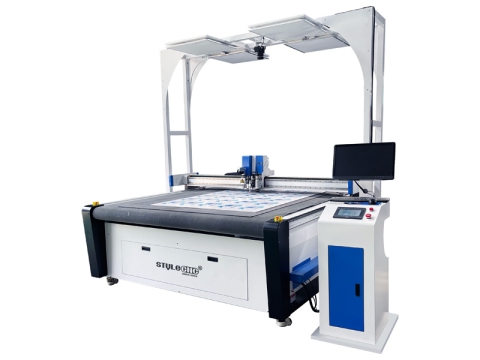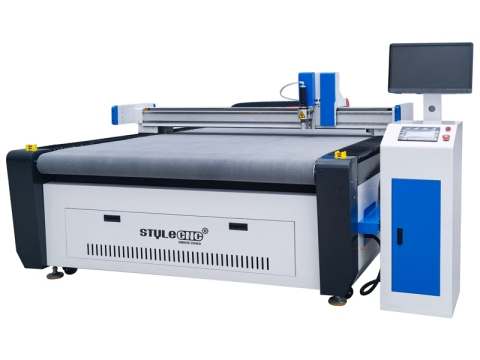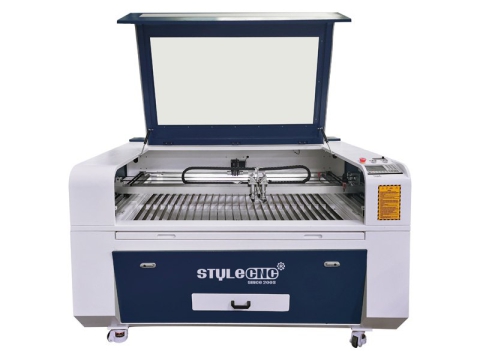
I purchased this automatic CNC cutter to make corrugated cardboard boxes for my custom packaging business. This machine is well designed to cut flat materials quickly with little effort. It is easy to setup and use, and cuts through cardboard like butter. In addition, the blade is replaceable to cut different materials. Overall, an excellent digital cutting tool for flexible materials. I recommend it for fine cuts where exact precision is needed.
2026 Best Automatic CNC Cardboard Cutting Machine for Sale
Last Updated: 2026-05-22 15:44:29
CNC cardboard cutting machine with oscillating tangential knife is the best industrial automatic carton box maker of 2026 for packaging with varied knife tools and blades to cut paperboard, hardboard, carton box, corrugated box, corrugated cardboard box, corrugated fiberboard, paperboard, mat board, and chipboard. Now the best automatic cardboard cutter for sale at an affordable price.
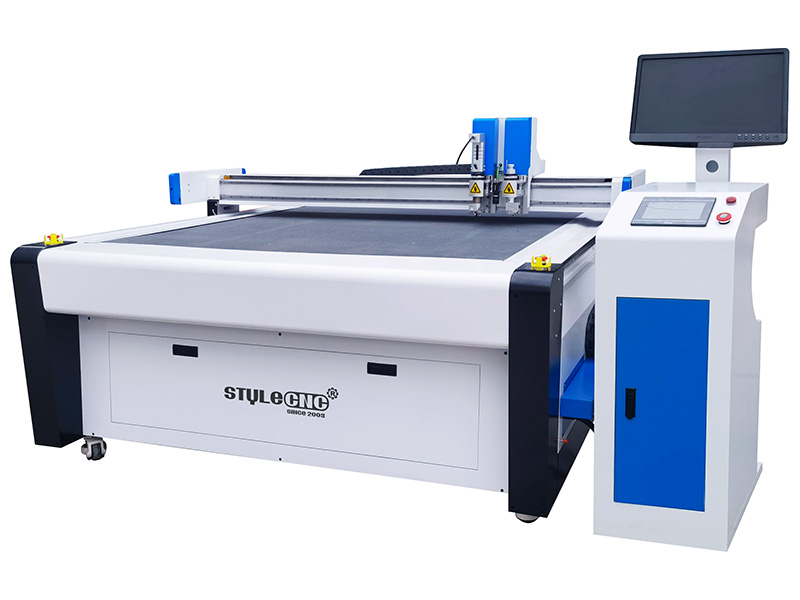
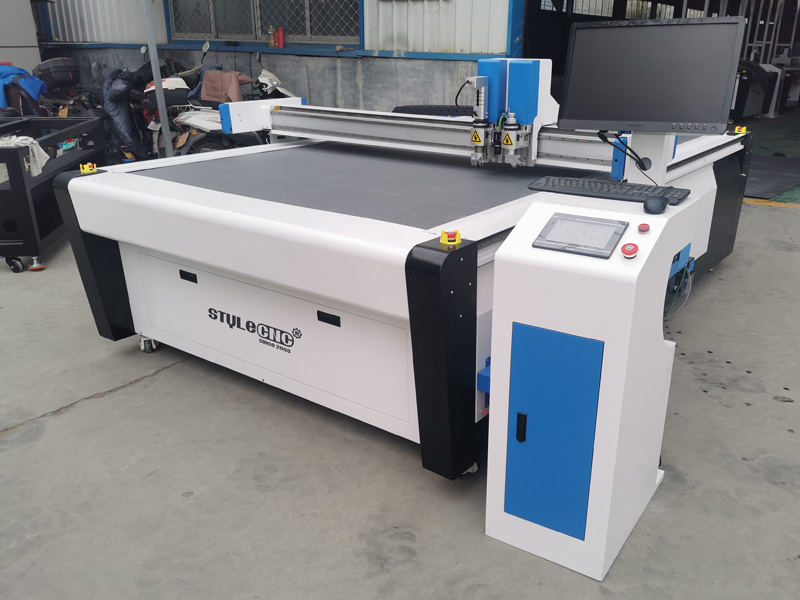
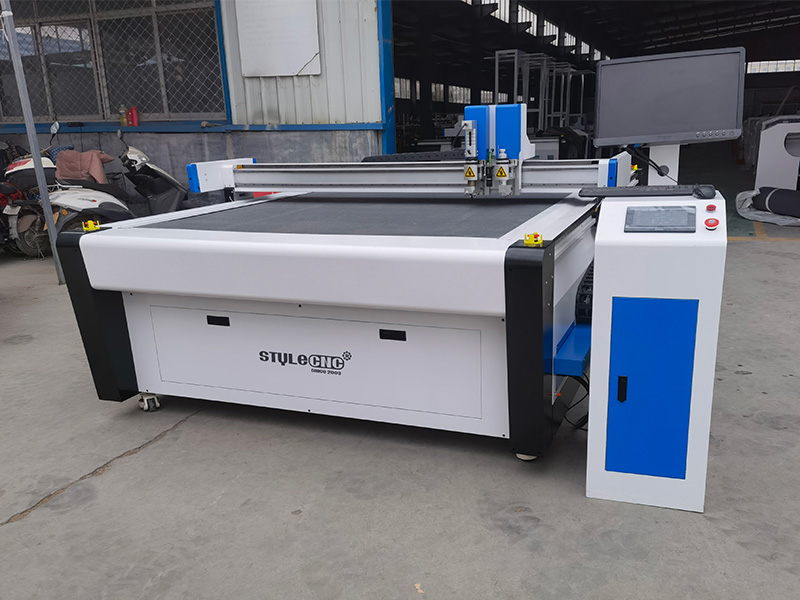
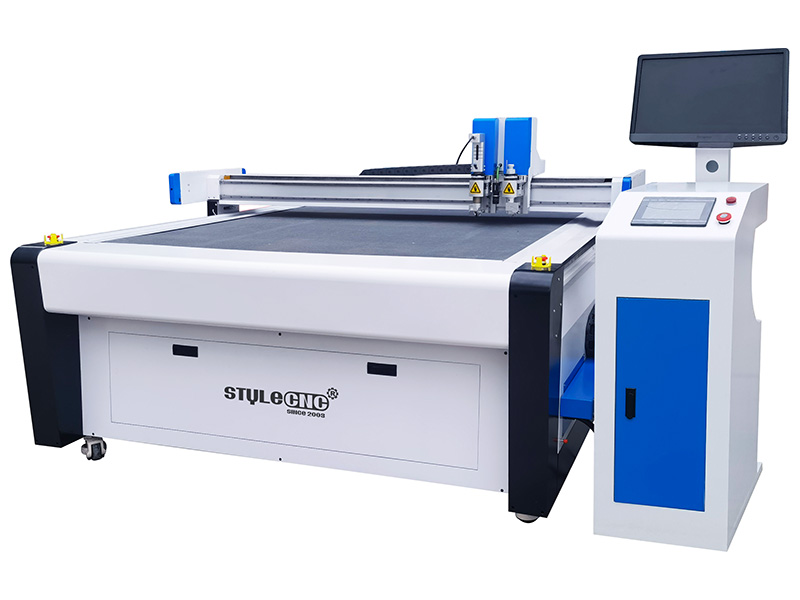
- Brand - STYLECNC
- Model - STO1630
- Maker - Jinan Style Machinery Co., Ltd.
- Category - CNC Digital Knife Cutting Machine
$14,000 - $15,500 for Basic & Pro Editions
- 360 Units in Stock Available for Sale Every Month
- Meeting CE Standards in Terms of Quality & Safety
- One-Year Limited Warranty for Entire Machine (Extended Warranties Available for Major Parts)
- 30-Day Money Back Guarantee for Your Purchase
- Free Lifetime Technical Support for End-Users & Dealers
- Online (PayPal, Alibaba) / Offline (T/T, Debit & Credit Cards)
- Global Logistics and International Shipping To Anywhere
CNC oscillating tangential knife cutting machine is a type of high-precision CNC cardboard box-making machine (CNC carton box-making machine) with varied knife tools and blades for Paperboard Boxes (Bakers' Boxes, Cereal & Food boxes, Drug & Toiletry package boxes, Gift boxes & Shirt Boxes), Corrugated Boxes (Anti-Static Corrugated Boxes, Mailing Boxes, Moving Boxes, Pizza Boxes), Wax Impregnated Boxes, and Cardboard Stock in packaging industry. With the right configuration, the CNC cardboard cutting system can meet different functions, such as cutting, plotting, drawing, routing, punching, and more. CNC oscillating tangential knife cutting system can be used for every flexible or soft material with excellent cutting performance. The CNC cardboard cutting table has the advantages of high speed, high intelligence, highly precise cutting, and easy operation. The CNC carton cutting machine can connect with other software well with data converting software. CNC cardboard box-cutting machines will help the packaging industry upgrade from traditional manual sampling to advanced high-speed and precision production mode.
Cardboard includes corrugated fiberboard, paperboard, and mat board.
Paperboard includes solid bleached sulfate (SBS), solid unbleached sulfate (SUS), and coated recycled board (CRB).
Carton (Paperboard Box) is the most widely used packaging product. According to different materials, there are corrugated boxes, single-layer cardboard boxes, etc., with various specifications and models. There are three and five layers commonly used in cartons. Seven layers are used less frequently. Each layer is divided into lining paper, corrugated paper, core paper, and face paper. The lining and face paper are teaboard paper and kraft paper, and the core paper is corrugated paper. The color and feel of various papers are different, and the paper (color, feel) produced by different manufacturers is also different.
STYLECNC creates revolutionary CNC carton box-cutting plans for the printing and packaging industry. Scribing, drawing, text annotation, indentation, half-knife cutting, full-knife cutting, all in one go. It is used in corrugated board cutting, carton proofing, color box proofing, plastic box proofing, POP paper display rack paper shelf proofing, and small batch production. Instead of the traditional manual development design and proofing of cartons, color boxes, and paper display racks. CNC carton-cutting machines will shorten the corresponding research and development time to meet the production goal of fewer batches, more orders, and more styles.
Features of Automatic CNC Cardboard Cutting Machine with Oscillating Tangential Knife
Oscillation Tools Cutting Function
Automatic carton cutting machine can cut different materials (such as a gasket, leather, fabric, carpet, corrugated paper, cardboard, offset paper, grey board, rubber, honeycomb board, PP, PE, and PVC)
Punching Function
An automatic corrugated cardboard cutter can punch holes in material, such as cartons, leather, carpets, PVC, and mats.
Drawing Function
Automatic cardboard box-making machine can draw various high-precision materials, including foam, PVC, corrugated board, styrene, coroplast, magnetic film, Celtic, adhesive vinyl, rubber, fabrics, paper, leather, cardboard, vinyl, polystyrene, magnetic films, and high-intensity reflective films.
Dotted Line Function
An automatic cardboard cutting table is used to fold them after half cutting corrugated paper and grey card paper and to cut dotted lines.
Folding Function
Automatic carton cutter can fold corrugated paper, card paper and offset board into perfect folding lines.
Location Function
Location with camera or projector.




Advantages of Automatic CNC Cardboard Cutter Machine with Oscillating Tangential Knife
High Speed
The max cutting speed is 1200mm/s, which is three to five times higher than traditional manual cutting.
Material Saving
Machines are computerized accurate and material saving.
Compatible
The CNC cardboard cutter supports any CAD/CAM software that can output files in DXF or PLT format with Coreldraw, AutoCAD, AI, and more.
User Friendly
All the sharp turnings can be controlled on the CNC automatic cardboard cutting machine.
Applications of Automatic CNC Carton Cutting Machine with Oscillating Tangential Knife
CNC carton cutter machine is used for cutting, indentation, dotted line, marking, drawing, and other processes in the packing industry, instead of the traditional carton, exhibition frame, and other manual development, design, and proofing, shorten the R&D time, with high proofing speed, and high quality. The CNC box-cutting machine can complete the die-cutting, indentation, and molding of paper, plastic, and other flexible materials without a knife die and die-cutting machine to save a lot of manpower and mold costs.
Materials Can Be Cut with CNC Oscillating Tangential Knife Cutting Machines
Textiles, fabrics, leathers, fiber glasses, rubbers, stickers, films, foam boards, corrugated cardboards, cardboards, plastic boxes, clothes, gasket materials, footwear materials, garment materials, bag materials, rugs, sponges, carpets, PU, PP, PE, PTFE, ETFE, EVA, XPE, PVC and composites.
Technical Parameters of CNC Cardboard Cutter with Oscillating Tangential Knife
| Brand | STYLECNC |
| Model | STO1630 |
| Table Size | 1600mm x 3000mm |
| Cutting Speed | 200-2000mm/s |
| Cutting Thickness | ≤50mm |
| Cutting Materials | Fabric, leather, textile, corrugated cardboard, cardboard, foam board, fiberglass, sticker, plastic box, film, rubber, cloth, garment materials, gasket materials, bag materials, footwear materials, carpets, sponges, rags, EVA, PU, XPE, PP, PE, PVC, ETFE, PTFE, and composites. |
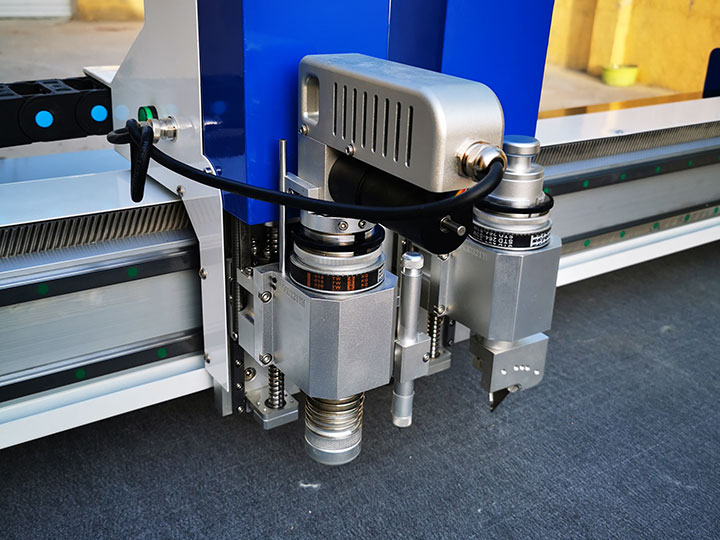
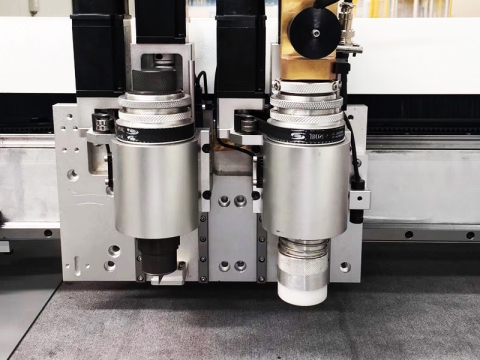
| Multi-Functional Heads | Vibration knife Circular knife Punching knife Oblique knife Pen Punch knife Milling knife |
| Multi-Functional Tools | Vibrating knife full cutting High-power active round knife Camera positioning cutting Edge finding cutting Cursor positioning Drawing line mark |
| Safety Device | Infrared Sensing |
| Fixed Mode | Flate table (Automatic feeding table for option) |
| Transmission port | Network port |
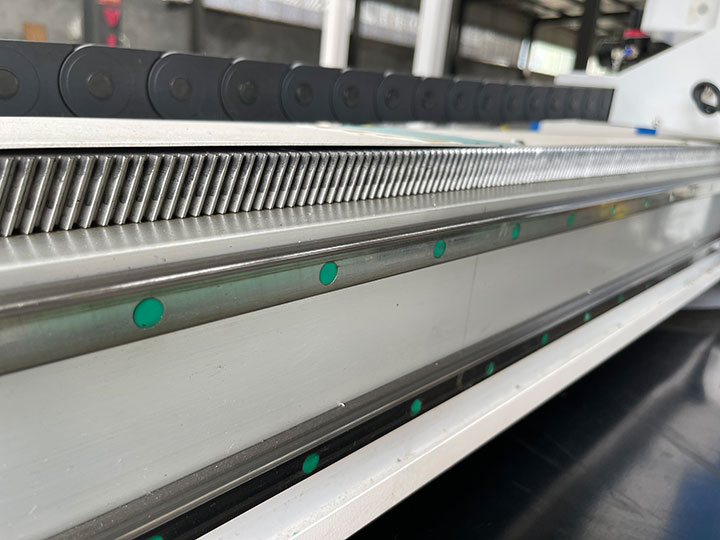
| Transmission System | Panasonic servo motor Linear linear guide rack and pinion transmission |
| Power | 11kw |
| Voltage | 380V±10% (220V±10% for option) |
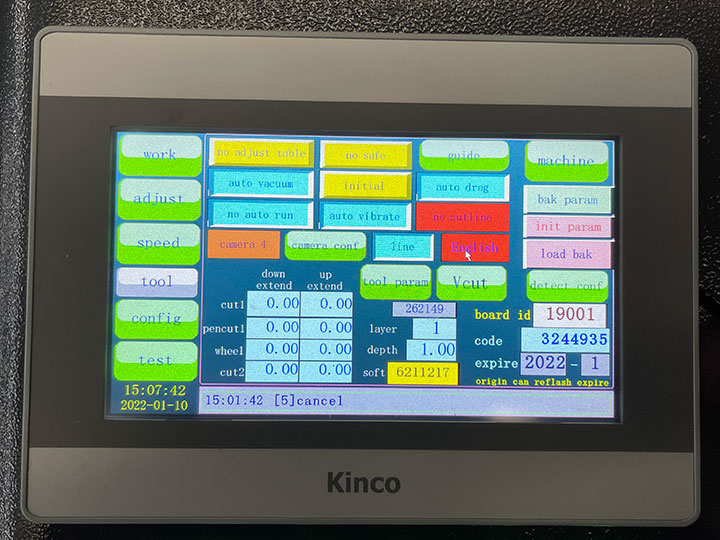
| Control System | Kinco controller |
| Operating Environment | Operating environment temperature 0-40°C humidity 20%-80%RH |
| Optional Software | Automatic nesting software Leather identification Cardboard entry software |
| Support File Formats | PLT, AI, DXF, CDR |
CNC Oscillating Tangential Knife Cutting Projects

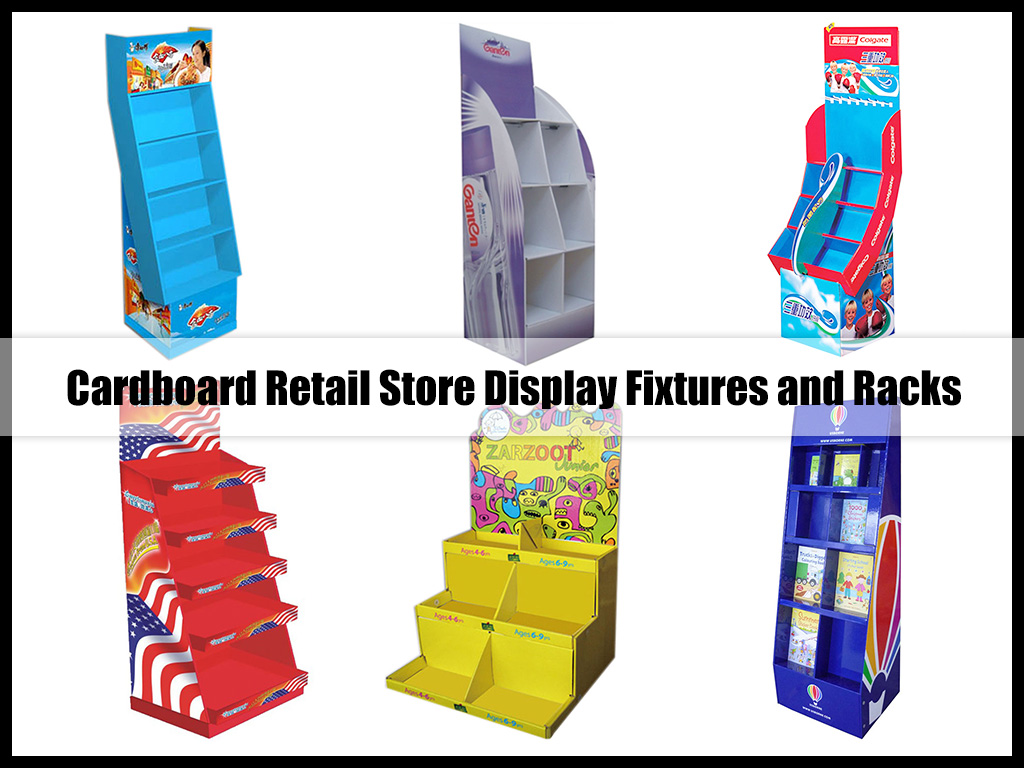
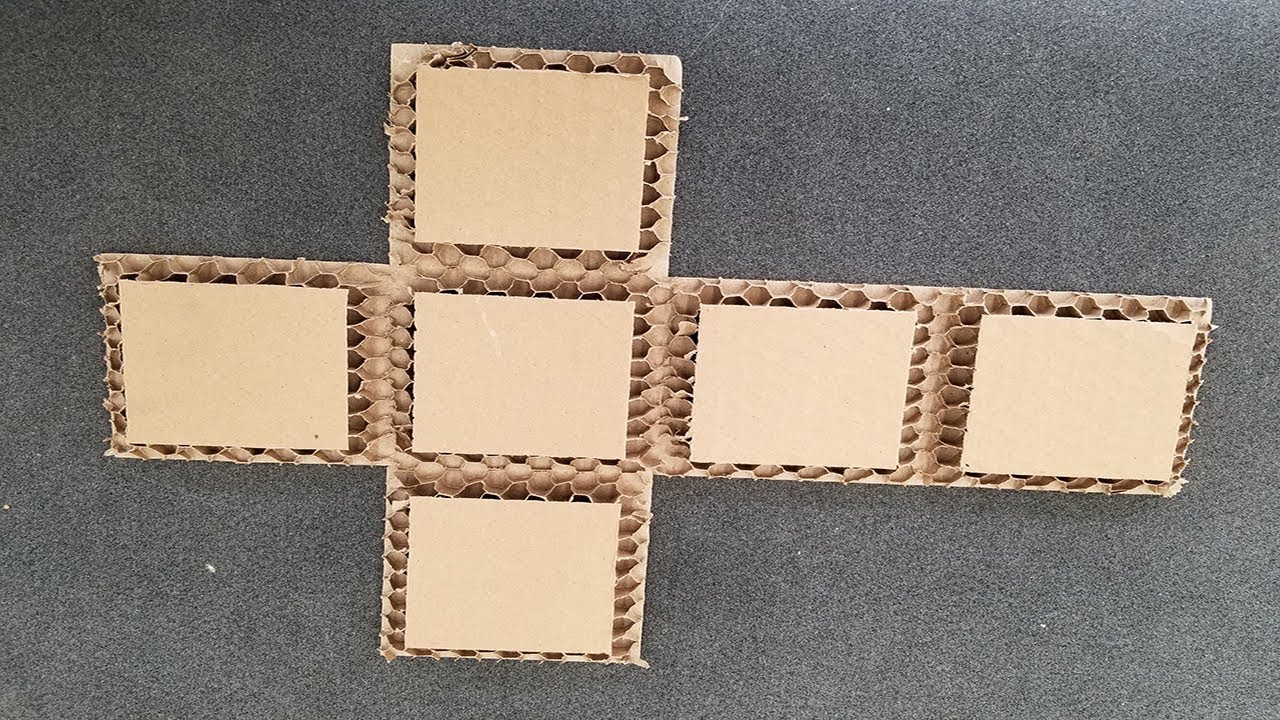
CNC Knife Cutting Machine for Cardboard Retail Store Display Fixtures and Racks
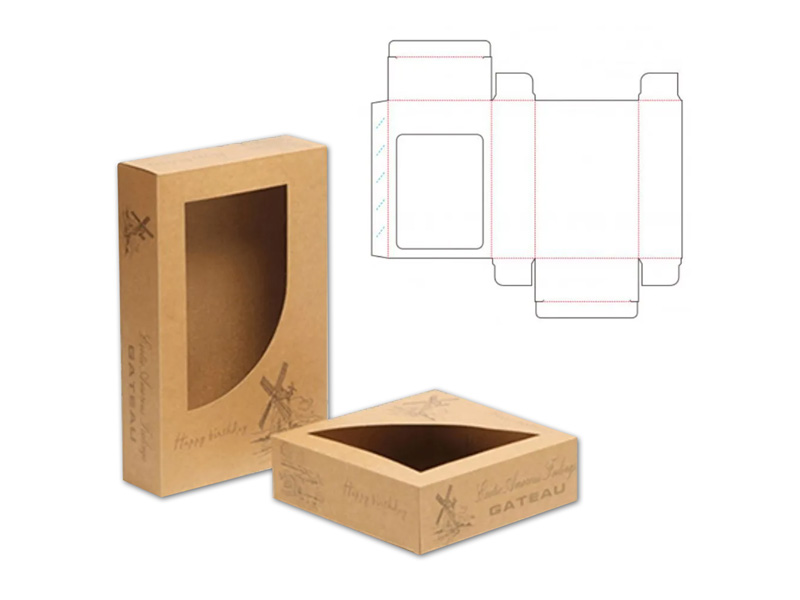
Window Packaging Box Cutting Projects
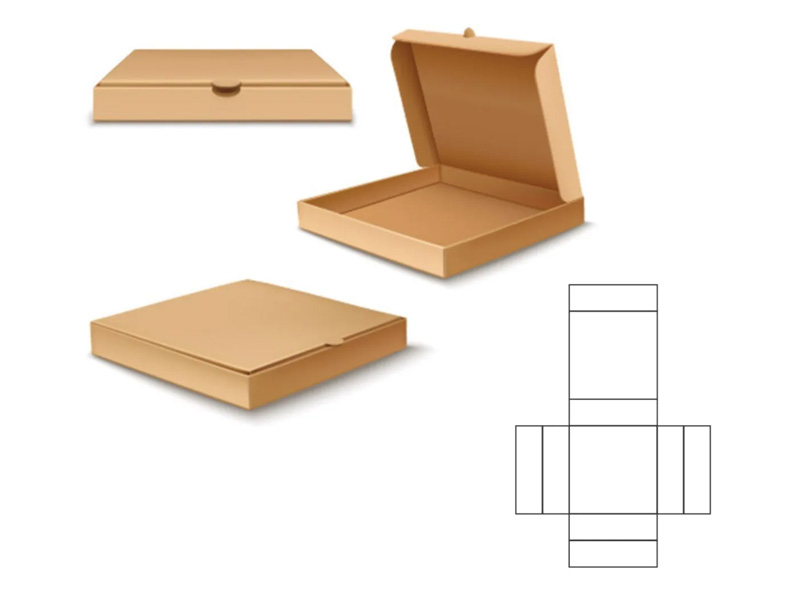
Die Cut Carton Plans
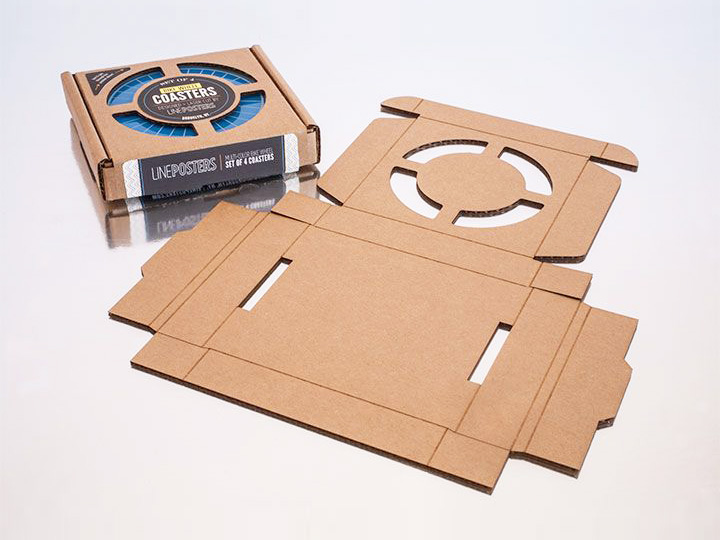
CNC Cardboard Box Making Projects
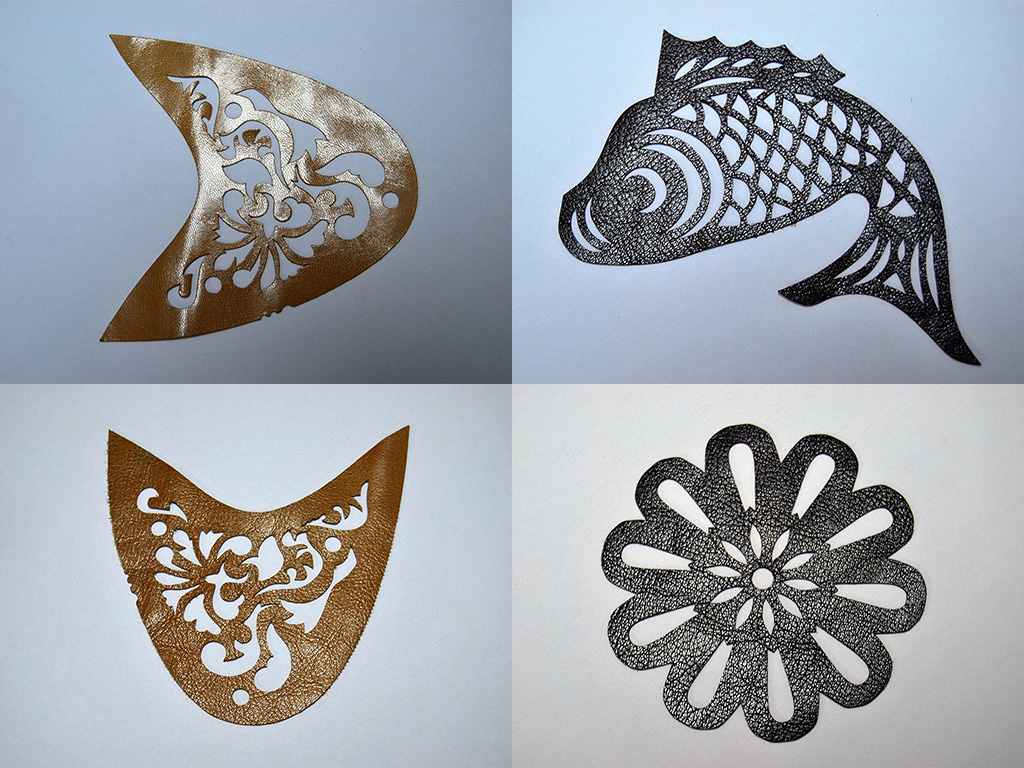
CNC Knife Cutting Machine for Genuine Leather Cutting
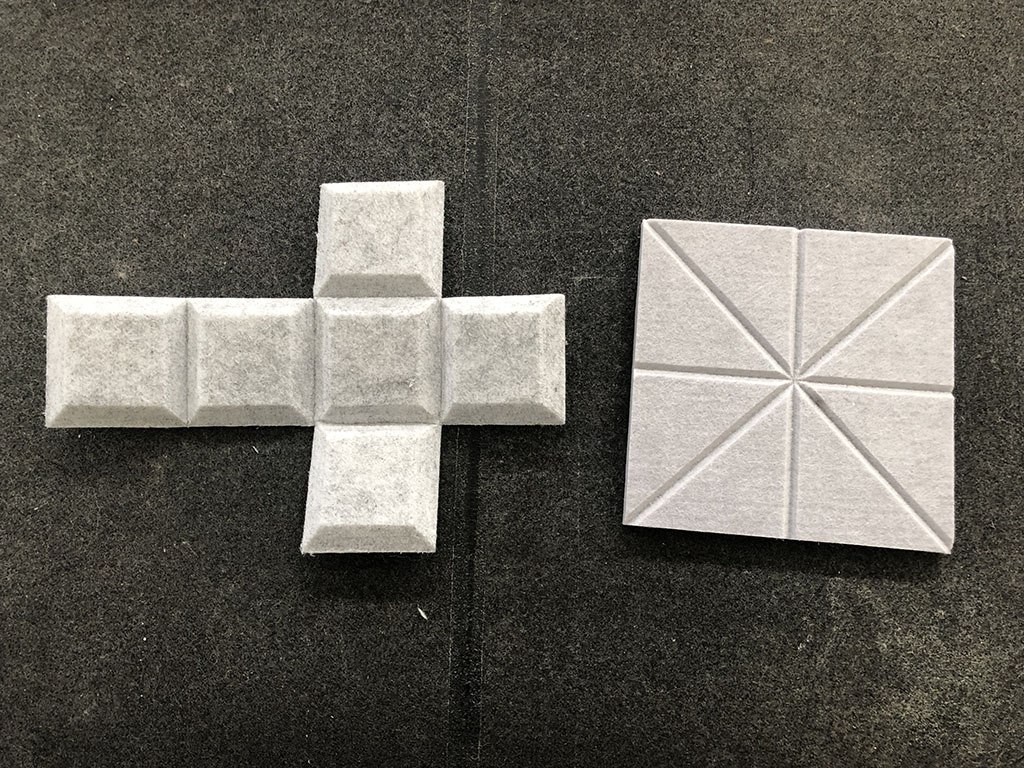
Felt Cutting Projects with CNC Oscillating Knife Cutter
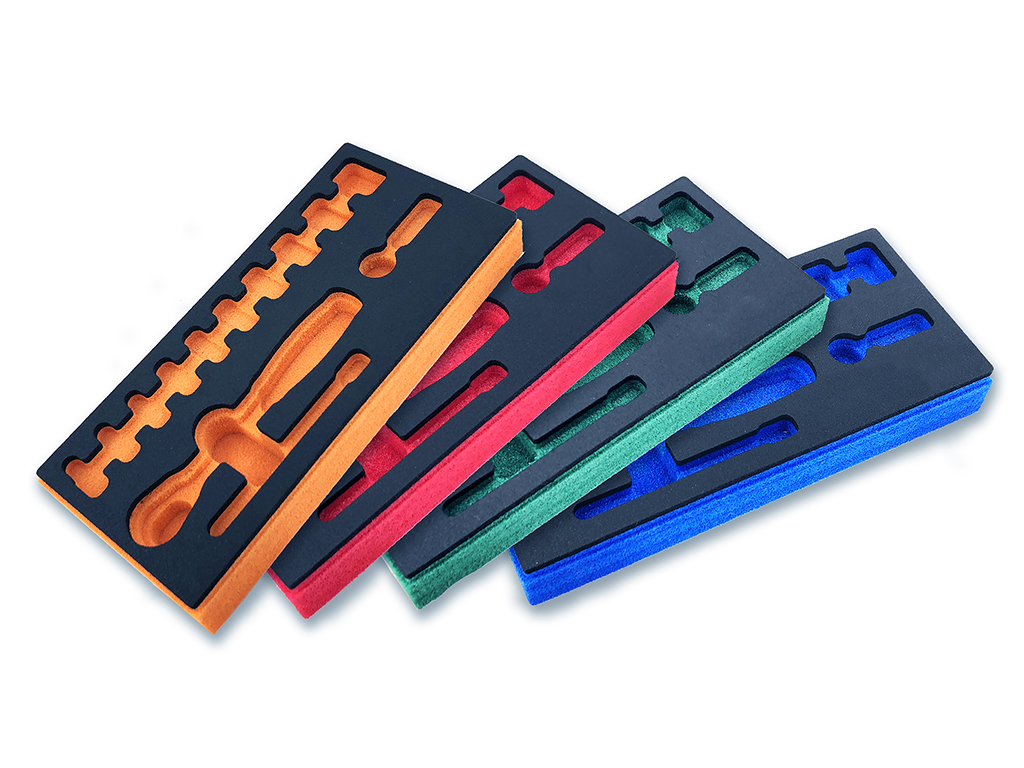
Oscillating Knife Cutting Machine for EVA Foam Tray Projects
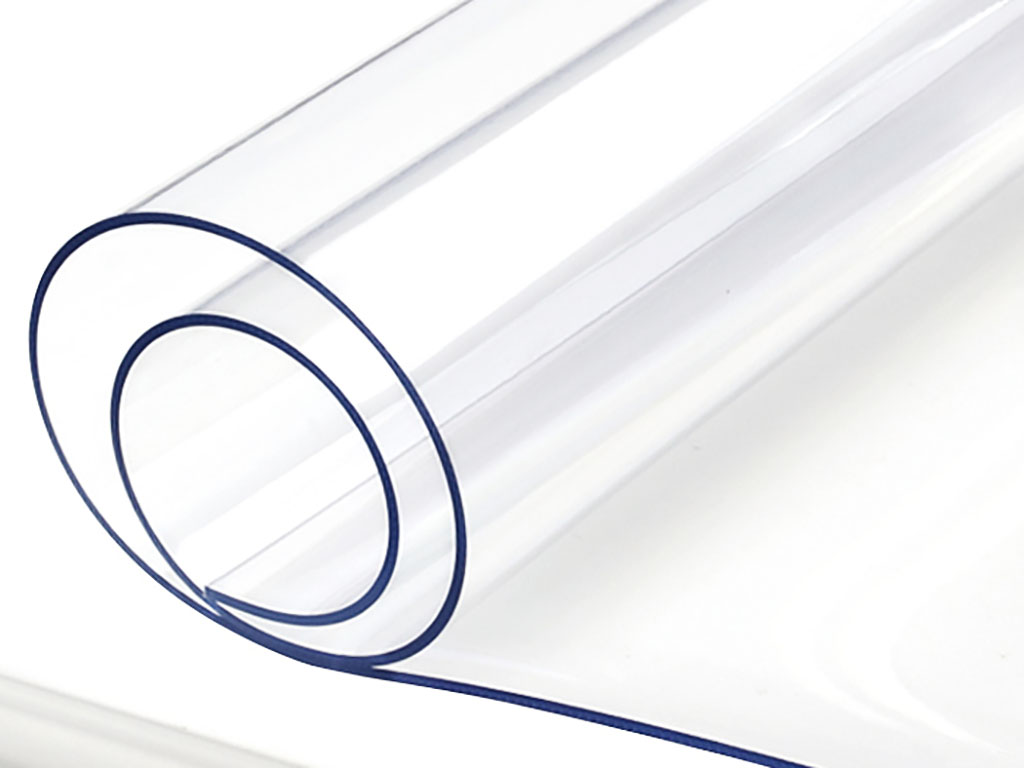
CNC Knife Cutter for PVC Soft Glass
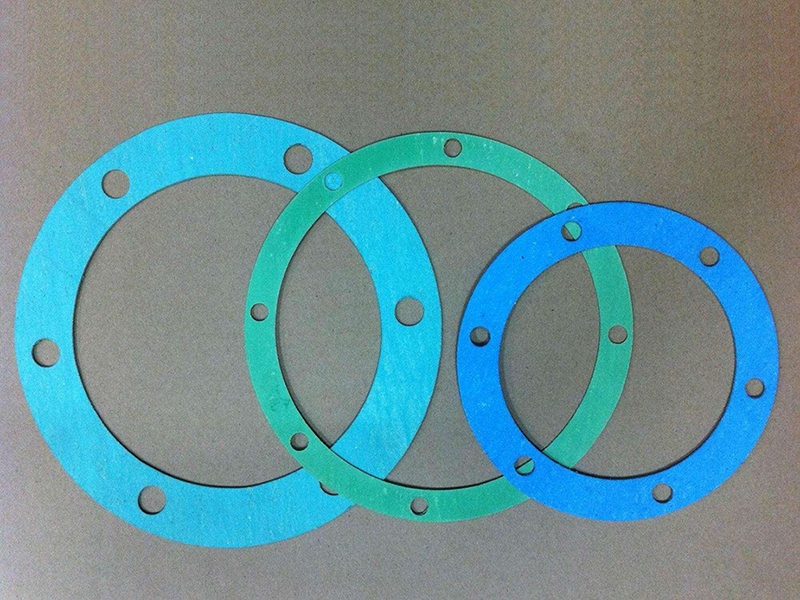
PTFE Impregnated Asbestos Gasket Cutting Samples
You can see more details from: What is a CNC Knife Cutter used for?
Package of CNC Cardboard Cutting Table with Oscillating Tangential Knife
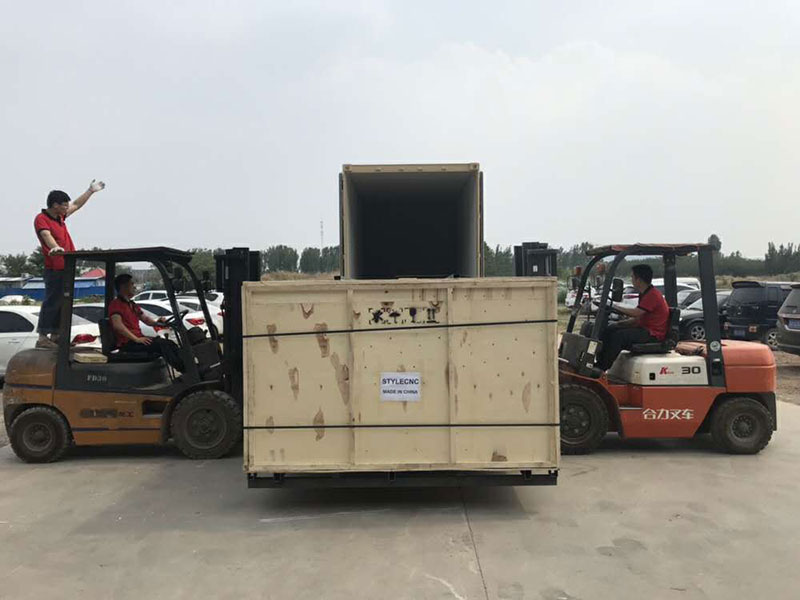
Service & Support for Automatic Cardboard Box Cutter with Oscillating Tangential Knife
• One-year quality guarantee, the cardboard cutting machine with main parts (excluding the consumables) shall be changed free of charge if there is any problem during the warranty period.
• Lifetime maintenance free of charge.
• Free training course at our plant.
• We will provide the consumable parts at an agency price when you need replacement.
• 24/7 online service each day, free technical support.
• All CNC cardboard cutting machines have been adjusted before delivery.
• Our staff can be sent to your company to install or adjust if necessary.
Maintenance Tips for CNC Cardboard Cutting Machine
Accurate cutting and breakdown prevention are ensured by routine maintenance. Make sure your CNC cardboard cutting machine is in good working order. You can preserve the performance of your computer and increase its lifespan by adhering to these easy instructions. The longevity of your CNC machine can be significantly extended with the help of these simple maintenance advices.
• Clean The Machine Regularly: Debris from cardboard and dust can accumulate over time. To keep everything tidy, clean surfaces and clear away any debris from the cutting area.
• Check The Blades: Check the cutting blades often. To guarantee precise cuts and avoid straining the machine, replace dull or broken blades.
• Lubricate Moving Parts: Apply a thin layer of oil to the machine's moving parts. This maintains everything functioning smoothly by lowering friction.
• Tighten Loose Screws: Inspect for any missing nuts or screws. Tighten them to stop any potential damage and vibrations while the machine is operating.
• Monitor Software Updates: Keep the software on your computer up to date. This guarantees you get the most recent updates for improved functionality and repairs.
Tangential Oscillating Knife vs. Drag Knife vs. Laser: Choosing the Right Cutting Method
Operators new to digital cutting often debate three competing technologies on CNC forums: drag knives, tangential oscillating knives, and CO2 laser cutters. Each works on a different physical principle, and the wrong choice on packaging prototypes wastes blades, scorches edges, or produces inconsistent corners. Understanding how a tangential oscillating system differs from the alternatives clarifies why it has become the default for short-run carton, foam, and gasket work.
How the Tangential Oscillating Knife Works
The blade vibrates vertically at high frequency (typically 50–180 Hz) while a powered C-axis actively rotates it into the direction of cut. Unlike a passive drag knife which swivels only as the gantry pulls it the tangential mechanism lifts the blade out of the media at sharp corners, rotates it, then lowers it back in. The oscillation reduces friction and lateral force, producing clean perpendicular edges on materials up to 50 mm thick. This is also why the STO1630 holds tight corners on intricate die-cut carton shapes that a drag knife would round off.
Where Drag Knives and Lasers Fall Short
Drag knives are inexpensive and easy to retrofit, but they offset the blade tip from the spindle centerline, which causes radius error on tight turns and pulls thicker or abrasive material out of place. CO2 lasers cut precisely but apply heat: rubber gaskets char, EVA foam yellows, PVC releases hydrogen chloride fumes, and printed packaging develops a brown halo around the kerf. The oscillating knife operates as a cold mechanical process, preserving sealing performance, color fidelity, and material structure.
Quick Comparison
| Measurement | Tangential Oscillating | Drag Knife | CO2 Laser |
|---|---|---|---|
| Max material thickness | Up to 50 mm | ≤ 6 mm | Up to 25 mm (foam) |
| Cutting speed | 200–2,000 mm/s | 100–400 mm/s | 10–80 mm/s (thick) |
| Edge condition | Cold, clean, no halo | Cold, slight rounding | Heat-affected zone |
| Tooling cost per job | None (digital file) | None (digital file) | None (digital file) |
| Best for | Cardboard, foam, gaskets, leather | Vinyl, thin paper | Acrylic, thin wood |
For a deeper functional overview of the technology, the user-manual entry What is a CNC Knife Cutter used for? walks through every tool head and material category in detail. Shops that handle both packaging and signage often pair the flatbed system with an ATC CNC Router with oscillating knife head so a single operator can switch between rigid sheet routing and flexible flatbed cutting on the same shift.
Material-Specific Cutting Strategies: Cardboard, Foam, Gaskets, and Leather
The STO1630 ships with interchangeable tool heads vibration knife, circular knife, punching knife, oblique knife, milling cutter, and creasing wheel because no single blade optimizes for every material. Setting the correct blade geometry, oscillation frequency, depth, and feed rate is the single biggest determinant of edge quality and blade life. Below are the four material families packaging and fabrication shops cut most often, with the configuration logic that experienced operators apply.
Corrugated Cardboard and Honeycomb Board
Multi-flute corrugated and honeycomb panels crush easily when cutting pressure is wrong. The vibrating knife should enter the board with the blade tip clearing the felt by 0.2–0.5 mm and oscillation pitched high enough (typically 120–160 Hz) that the blade severs rather than compresses the flutes. For tight inner radii and complex die-cut carton shapes, a tangential oblique knife maintains corner accuracy that drag systems cannot match. Pair the cut pass with the creasing wheel for fold lines half-cut and full-cut paths in a single program eliminate manual scoring.
EVA, Polyurethane, and Polyethylene Foam
Foam density dictates blade choice. Soft polyurethane and packaging EPE cut cleanly with a standard straight blade at 50–120 Hz. Dense EVA above 50 Shore A hardness needs a 1.5 mm tungsten-steel blade and a higher oscillation frequency to prevent deflection. For thicknesses beyond 30 mm, a pneumatic oscillating tool delivers the cutting force the electric head cannot. The oscillating-knife foam cutting application gallery shows recommended setups for protective inserts, tool-shadow trays, and acoustic foam.
Rubber, Cork, and Composite Gaskets
Gasket sealing performance depends on a clean perpendicular edge. The pneumatic punching knife combined with the vibration cutter handles asbestos-free fiber, nitrile rubber, and graphite-reinforced composites without the off-gassing or charring a laser introduces. STYLECNC also offers a dedicated CNC pneumatic gasket cutting machine optimized for higher-volume gasket work where tolerance and seal integrity are non-negotiable.
Leather, Fabric, and Multi-Layer Textiles
Genuine leather varies in thickness across a single hide, so a CCD camera positioning system is the standard upgrade for leather shops it identifies defects, nests around them, and follows printed contour marks. Single-layer fabric cuts faster with the round (circular) knife than with a vibration blade. For multi-layer garment stacks, see the industrial digital fabric cutting machine configured with auto-feed and vacuum hold-down.
Tool-to-Material Quick Reference
✓ Corrugated cardboard, paperboard, color box → Vibration knife + creasing wheel
✓ EVA / PU foam under 30 mm → Electric oscillating knife, 1.5 mm blade
✓ EVA / PU foam over 30 mm → Pneumatic oscillating knife, long blade
✓ Rubber, cork, graphite gaskets → Pneumatic vibration + punching knife
✓ Single-layer fabric → High-speed circular knife
✓ Leather (printed or patterned) → Oscillating knife + CCD camera registration
From Steel-Rule Dies to Digital Cutting: ROI for Short-Run Packaging Shops
The economic case for a CNC tangential oscillating knife cutter is strongest in environments where order volume is fragmenting e-commerce custom packaging, retail display prototypes, and contract manufacturing for brands that change SKUs frequently. Traditional die cutting requires a custom steel-rule die for every shape, with tooling costs running $500–$3,000 per die and lead times measured in days or weeks. Any design revision means ordering a new die. For shops handling under 5,000 units per SKU, that math no longer works.
Where the Cost Savings Come From
A digital cutting workflow eliminates four cost centers that show up on every traditional packaging job: die fabrication, die storage and retrieval, setup labor, and rework on design revisions. The CAD file is the tool. A designer changes the file, the operator reloads it, and the next part is cutting within minutes. Across an industry average, total per-part cost on short runs drops by 30–80% versus die cutting, with the largest savings on jobs of 1 to 500 units and on designs that iterate during development.
Production Math: When a Digital Cutter Pays Back
| Production scenario | Steel-rule die workflow | CNC oscillating knife |
|---|---|---|
| New SKU lead time | 5–14 days (die fabrication) | Same day (file → cut) |
| Tooling cost per design | $500–$3,000 per die | $0 (digital file) |
| Design revision cost | New die required | Re-save the file |
| Best run length | 10,000+ units | 1–5,000 units |
| Operator skill level | Skilled die-cutter | 2–3 hours training |
Software and File Workflow
The STO1630 accepts PLT, AI, DXF, and CDR files directly from CorelDRAW, AutoCAD, Illustrator, and most CAM platforms. Automatic nesting software arranges parts to maximize sheet utilization important when raw board cost is rising. For a fuller overview of compatible design and CAM tools, see the CAD/CAM software guide. A complementary read on the broader business case is Digital Cutting Machine Benefits, which covers prototype turnaround, material savings, and labor reallocation in more depth.
Where the Investment Earns Out Fastest
Custom packaging shops doing under 5,000 units per SKU
Design studios producing structural mockups and presentation samples
Foam-insert manufacturers serving electronics, instruments, and tooling
Sign shops cutting reflective film, banner stock, and rigid substrates
Gasket and seal fabricators handling frequent engineering changes
Leather goods and footwear sample rooms with continuous pattern development
Frequently Asked Questions
These questions are drawn from current discussions on CNCZone, OpenBuilds, Reddit, and packaging-industry forums where operators are evaluating, retrofitting, or troubleshooting tangential oscillating knife systems.
Can I retrofit a tangential oscillating knife onto a hobby CNC router?
Technically yes, but on forums like CNCZone and OpenBuilds beginners frequently report that getting a third-party knife head working with a Duet, GRBL, or Mach controller requires a working 4th-axis configuration and custom post-processor. A purpose-built flatbed machine like the STO1630 ships with the C-axis, controller, vacuum table, and software already calibrated eliminating weeks of integration work.
How often do oscillating knife blades need to be replaced?
Blade life depends on material. Paper and corrugated cardboard wear blades fastest typically 1–3 days of continuous cutting. Foam runs much longer at 3–10 days. Fiberglass and prepreg composites are the most abrasive and may need daily changes. Blades are inexpensive consumables, generally a few dollars each, so total tooling cost stays far below laser optics or die fabrication.
What is the difference between electric and pneumatic oscillating tools?
Electric oscillating tools (EOT) handle soft to semi-rigid materials up to roughly 28 mm thick and are the default choice for most cardboard, foam, and leather work. Pneumatic oscillating tools (POT) generate more cutting force and reach 50 mm thickness — necessary for dense rubber, thick EVA, sandwich panels, and corrugated stacks.
Why does my corrugated cardboard get crushed or delaminated during cutting?
Common causes include insufficient oscillation frequency, excessive cutting pressure, a dull blade, or feed rate set too fast for the flute structure. Increase oscillation toward 120–160 Hz, lower blade pressure, replace the blade, and verify the felt cutting surface is flat. Honeycomb and triple-wall stock specifically need single-side-ground geometry to avoid crushing the cell walls.
Can the same machine cut both soft foam and dense rubber gaskets?
Yes, the STO1630 is multi-tool by design. The vibration knife handles soft foam, the pneumatic knife handles dense rubber and graphite gaskets, and the punching tool handles fastener and bolt-hole patterns. Tool swaps take seconds and are part of the same automated program no manual changeover between jobs.
Does CCD camera registration actually work for printed packaging?
Yes, and it is the feature that converts a generic flatbed into a printed-packaging production tool. The camera reads registration marks or printed contours, compensates for sheet skew and print stretch, and aligns the cut path automatically. Operators in packaging forums report this is the single feature that finally made digital cutting viable for printed cartons, labels, and stickers at scale.
How does cutting speed compare to a CO2 laser on thick corrugated or foam?
On flexible materials above 30 mm thick, the oscillating knife runs roughly three times faster than CO2 laser cutting. Peak cutting speed on the STO1630 reaches 2,000 mm/s. Lasers retain the edge on rigid acrylic and thin metal, but on the materials this machine is designed for, cardboard, foam, fabric, rubber the knife wins on throughput, edge quality, and operating cost.
What file formats does the controller accept?
The Kinco controller imports PLT, AI, DXF, and CDR files directly. That covers exports from CorelDRAW, Adobe Illustrator, AutoCAD, and most CAM platforms. Automatic nesting software arranges parts on the sheet to minimize waste, and kerf compensation can be set before the job runs.
How long does it take to train an operator?
Most operators reach competent production within 2–3 hours of hands-on training. The control interface is graphical, material and blade changes are tool-free, and the nesting software handles path optimization automatically. STYLECNC also provides free training at the factory and 24/7 remote technical support for the life of the machine.
Customers Say - Don't take our words as everything. Find out what customers say about our products and services they have purchased, owned or experienced.
Theresa Chavez
Jayla
Very well thought out cardboard cutter for me. Easy to use interface. Set up was a breeze. Used leather to check level and do a test cutting. Worked fine. Overall the CNC knife cutter works and is quiet as can be. Just wish the manufacturer would have some how to videos to help me.
Further Reading

Related Products