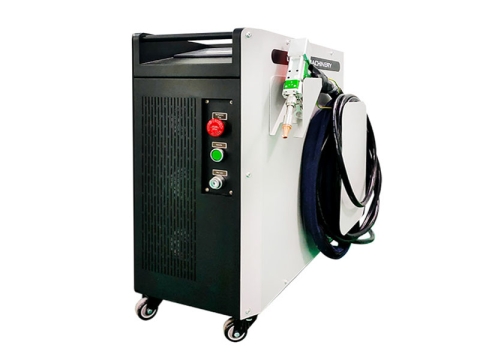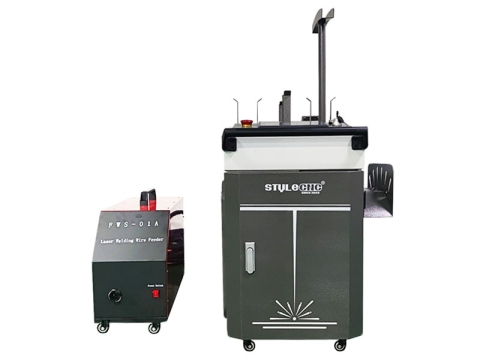
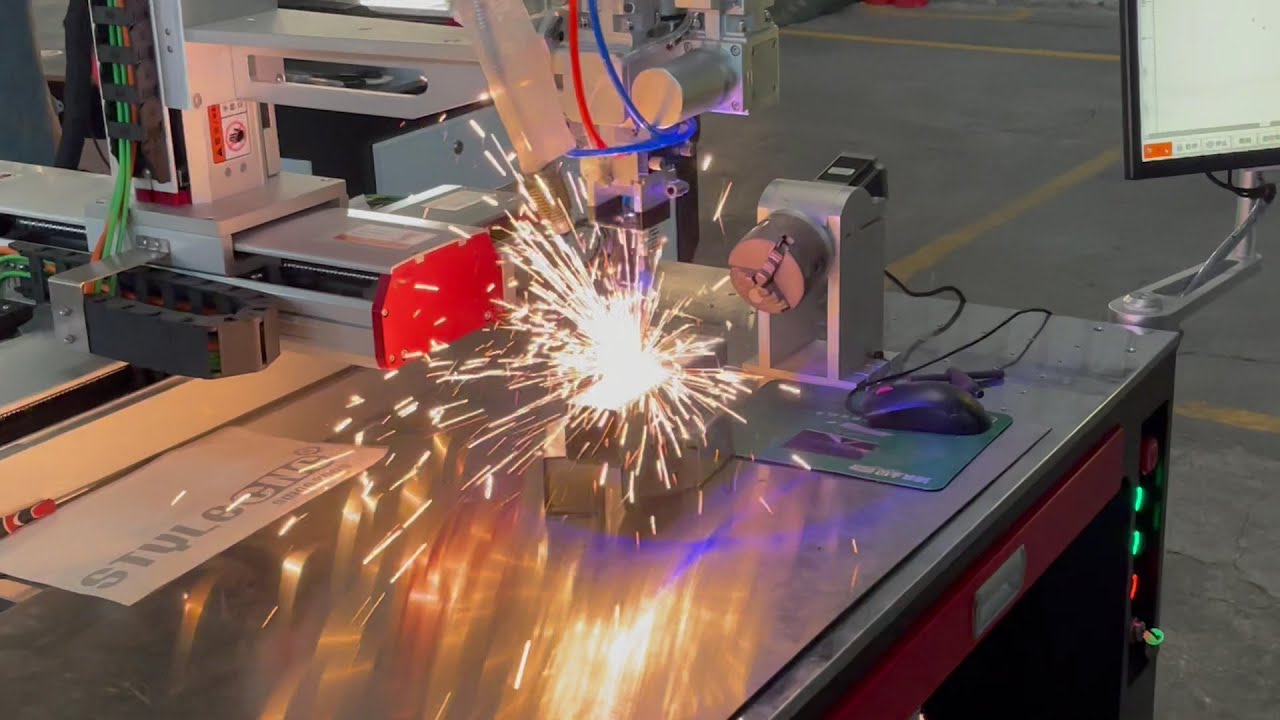
I've only done gas and TIG before so this was a new experience. Best laser welders with automatic CNC controller I have ever had. It's been about 5 years since I have picked up a welder, and I was welding some of the best welds I have done in my life.
Hi-Precision Automatic CNC Laser Welding Machine for Sale
Last Updated: 2026-05-13 11:22:18
CNC laser welding machine is an automatic laser welder for precision metal welds of butt joint, lap seam, spot weld, T butt, kissing weld, linear weld, circular weld, lap joint, lap edge, flange joint with a high-powered fiber laser beam welding system. The LWT2000 is an essential tool for precision welding of electronic components, jewelry, mobile phone batteries, clocks, sensors, precision machinery, communication equipment, artworks, crafts, high-end furniture and cabinets, and elevator accessories, coming with an affordable price tag from $8,800 to $11,300.

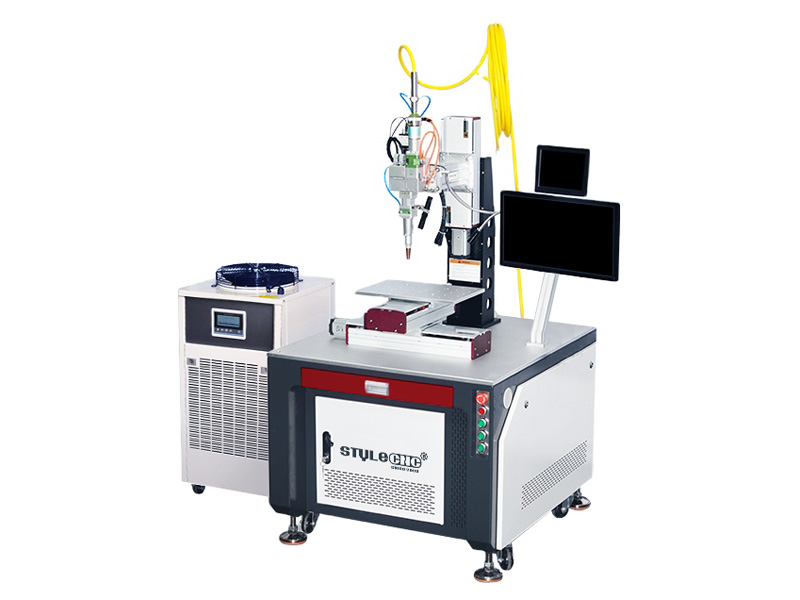
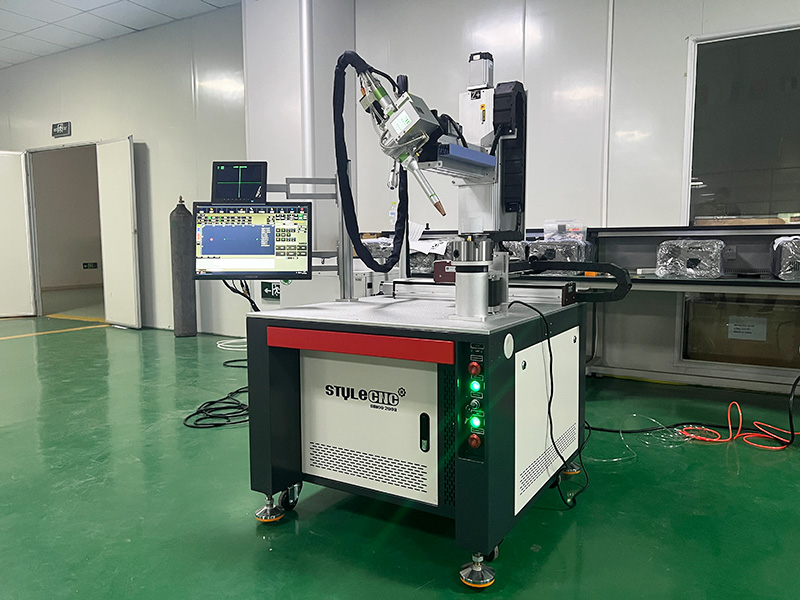
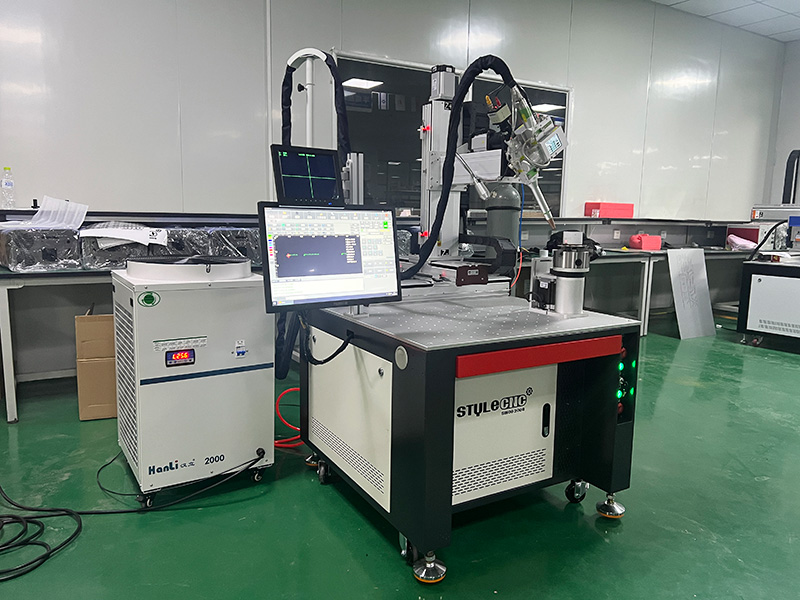
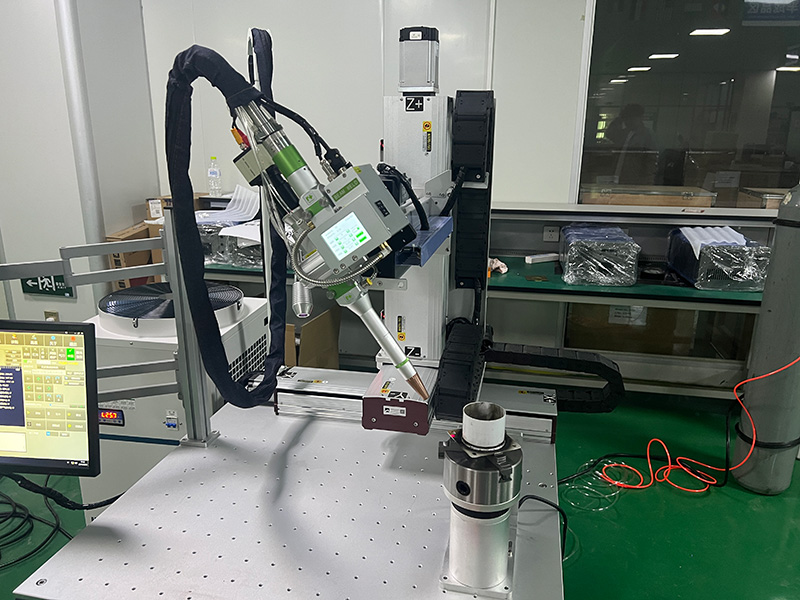
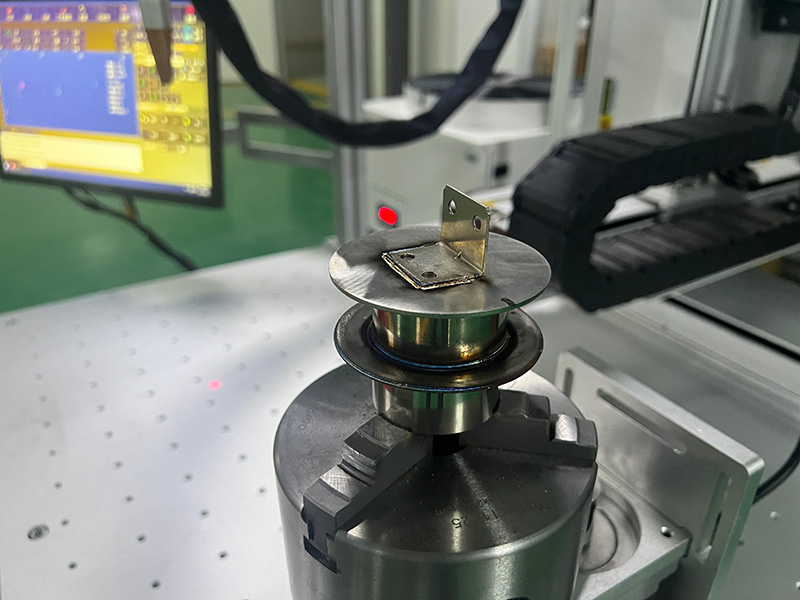
- Brand - STYLECNC
- Model - LWT2000
- Laser Source - Raycus, IPG, MAX
- Power Option - 1500W, 2000W, 3000W
$8,800 - $11,300 for Basic & Pro Editions
- 320 Units in Stock Available for Sale Every Month
- Meeting CE Standards in Terms of Quality & Safety
- One-Year Limited Warranty for Entire Machine (Extended Warranties Available for Major Parts)
- 30-Day Money Back Guarantee for Your Purchase
- Free Lifetime Technical Support for End-Users & Dealers
- Online (PayPal, Alibaba) / Offline (T/T, Debit & Credit Cards)
- Global Logistics and International Shipping To Anywhere

What Is An Automatic Laser Welding Machine?
An automatic laser welding machine is a type of computer numerically controlled laser welder to do automatic or semi-automatic butt welding, sealing welding, spot welding, overlap welding, and realizes the welding of complex plane straight lines, arcs, and arbitrary trajectories.
A CNC laser welding machine is an automated high-precision fiber laser beam welder to joins pieces of metal together for cell phone batteries, jewelry, electronic components, sensors, watches, precision machinery, communications, handicrafts, high-end cabinets, elevator accessories, stainless steel door handles, high-end furniture, and stainless steel hip flasks.
An automatic CNC laser welder can easily perform welding between carbon steel, alloy steel, stainless steel, and other different steels, as well as stainless steel-nickel alloy, nickel electrode-cold forged steel, bimetallic strips with different nickel content, titanium, nickel, tin, copper, aluminum, and welding between chromium, niobium, gold, silver and other metals and their alloys. In addition, it can also handle the welding between copper-nickel, nickel-titanium, copper-titanium, titanium-molybdenum, brass-copper, carbon steel-copper, and other dissimilar metals.

Features & Advantages of Automatic Laser Welding Machine with CNC Controller
The automatic fiber laser welder has features and advantages of simple operation, beautiful welding seam, fast welding speed, and no consumables. It can perfectly replace traditional argon arc welding and electric welding.

⇲ Perfect substitute argon welding and electric welding in thin metal welding, like stainless steel, carbon steel, and aluminum.
⇲ The automated laser welder can continuously and stably work for 24 hours to meet the needs of industrial mass production and manufacturing.
⇲ Light weight, small size, ergonomic design for handling comfort.
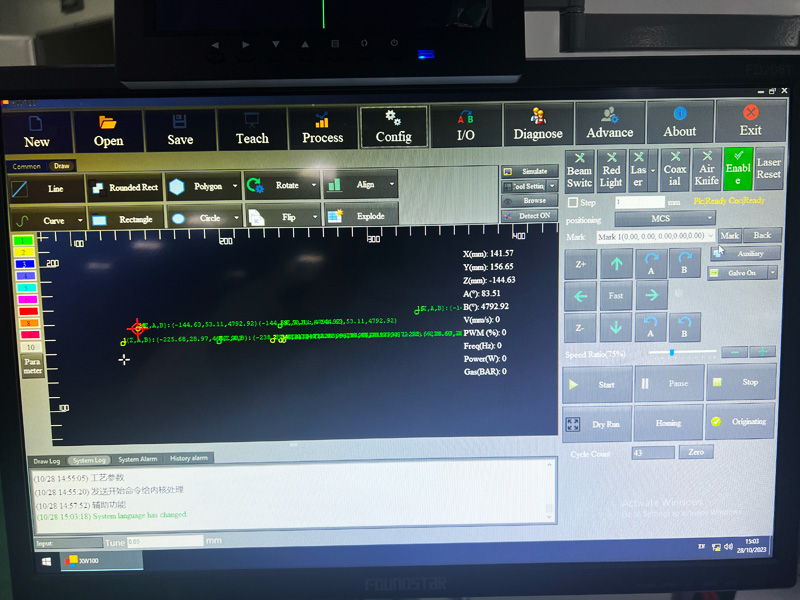
⇲ Controlled by a PC, special software assisted, and easy to learn, the workpiece can be used for plane trajectory movement, welding any point, straight line, circle, square, or any plane graphic composed of straight line and arc.
⇲ The internal structure of the welding head is completely sealed to avoid dust contamination of the optical part.
⇲ Excellent laser beam quality, fast welding speed, and the welding joint is firm and beautiful, we provide efficient welding projects to the user.
⇲ A high electro-optic conversion rate, low energy consumption, no consumables, and small volume, Can save a lot of processing costs for users after long-term use.
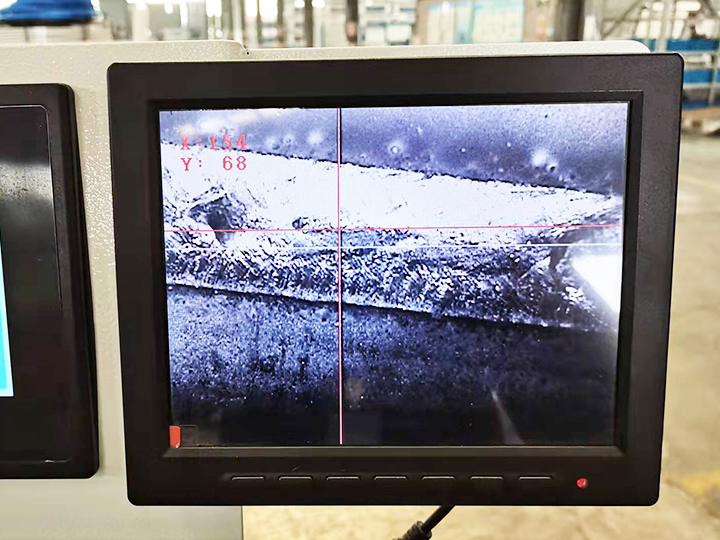
⇲ CCD liquid crystal monitoring and observation system can observe product positioning and welding effect according to red light indication.
⇲ Nice welding seam, high speed, no welding trace, no color change, no need for later polishing.
⇲ Fiber output can be equipped with a robot or assembly line.
⇲ We have a strong ability to customize special models for our customers which can be customized according to customer needs.
⇲ The welding line is fine, the welding depth is large, the taper is small, the precision is high; the appearance is smooth, flat, and beautiful.
⇲ Multi-language display to support international applications.
⇲ The swaying welding head has a strong advantage in high-reflective material welding in, a wide range of applications, it is very cost-effective.
⇲ The welding head adopts motor-driven X- and Y-axis vibrating lenses, it has various swing modes and can work on irregular shapes, larger welding spots, and other processing parameter settings that can improve markedly in welding quality.
⇲ The protective lens has a drawer structure and is easy to replace. It can be equipped with various QBH connector laser sources.
⇲ The welding head is equipped with air curtain components to reduce contamination of dust and splash residues.
⇲ Strong anti-jamming, configuration 1000W-2000W laser source.
Automatic CNC Laser Welding Machine Technical Parameters
| Model | LWT1500 | LWT2000 | LW3000 |
| laser Power | 1500W | 2000W | 3000W |
| Welding Depth | SS≤3mm Aluminum≤3mm | SS≤4mm Aluminum≤4mm | SS≤6mm Aluminum≤6mm |
| laser Wavelength | 1080±10nm | ||
| Fiber Length | 10m | ||
| Working Table | 500*300*300mm | ||
| Pulse Width | Continuous | ||
| Collimation | CCD | ||
| Driving System | Ballscrew+servo system | ||
| Cooling Chiller | Industrial water chiller | ||
| Working Voltage | 220V/ 2P for 1500W,2000W and 380V/3P for 3000W | ||
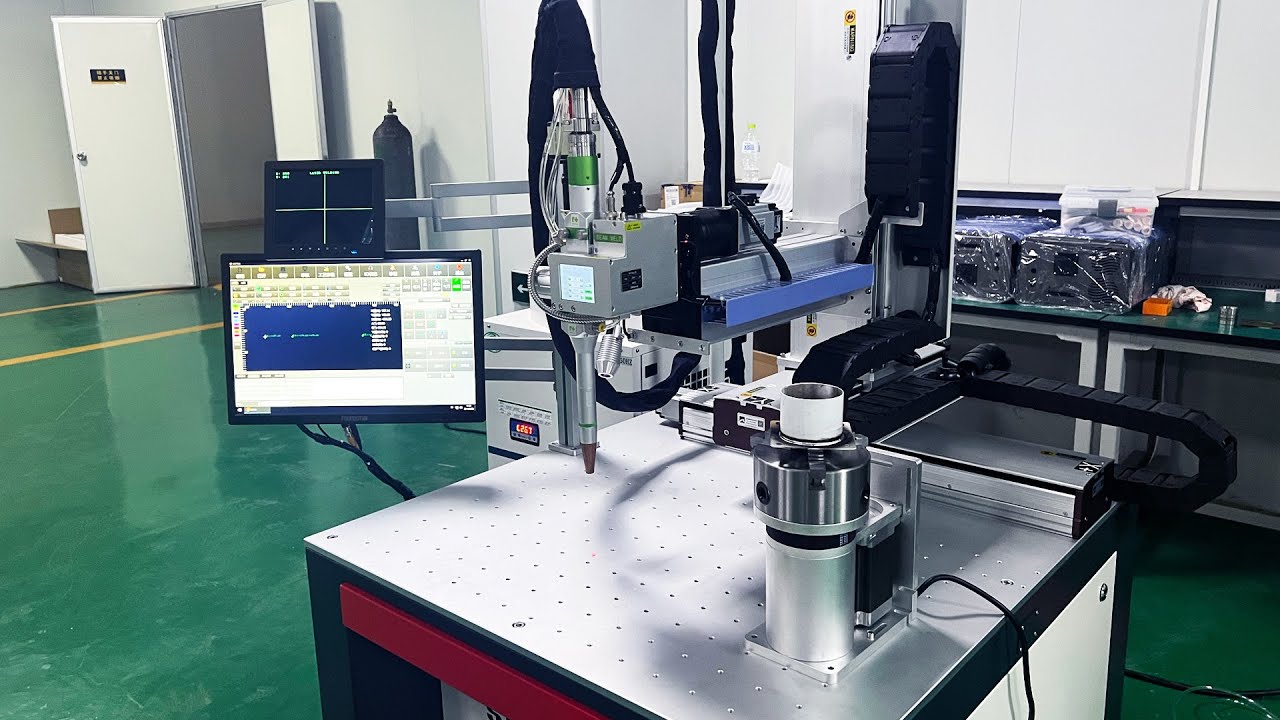
CNC Automatic Laser Welding Machine Details
Wobble Laser Welding Head
Clean and beautiful welds, fast speed, no weld marks, no discoloration, and no later polishing.


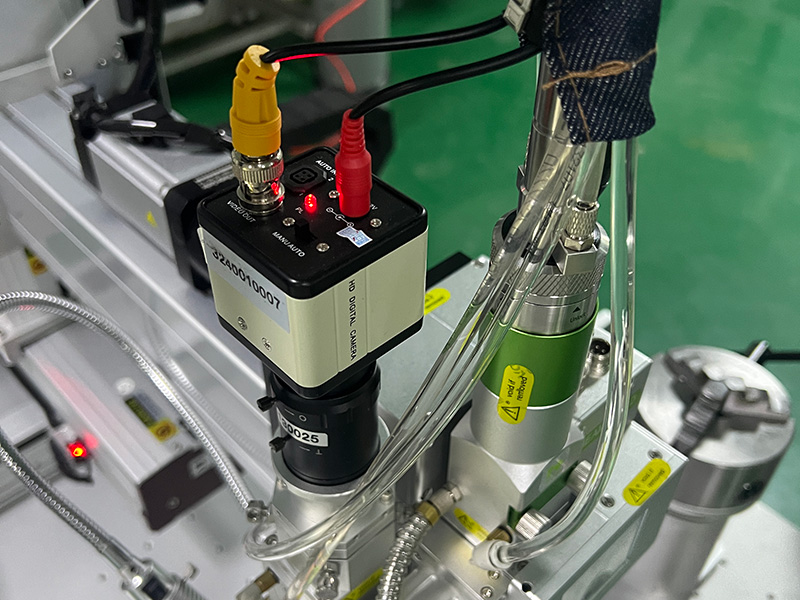
CCD Camera
A CCD camera with a blue light lamp makes the welding piece visible.
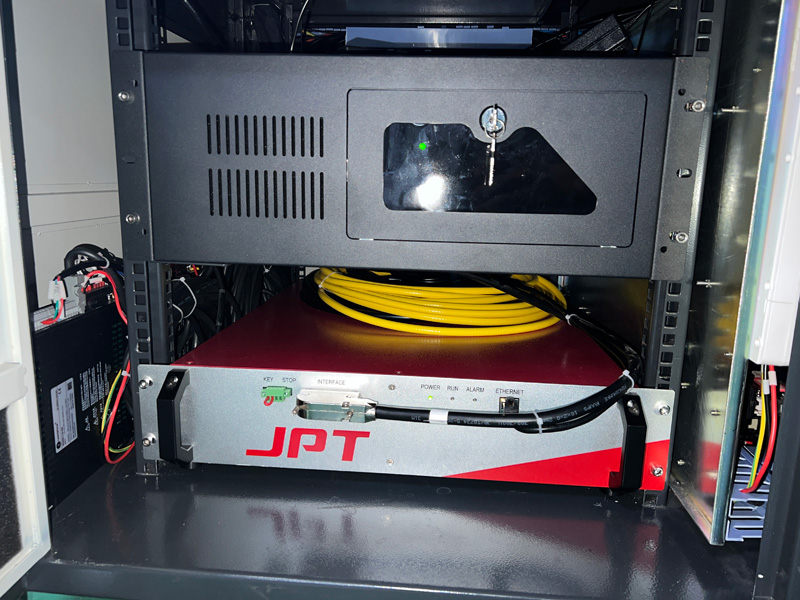
Fiber Laser Generator
The best brand laser source.
Long service life, low failure rate, anti-reflection.
An interactive control system makes the light spot larger, and the welding seam better formed.
CNC Controller
Easy operation, low requirements for the operator.
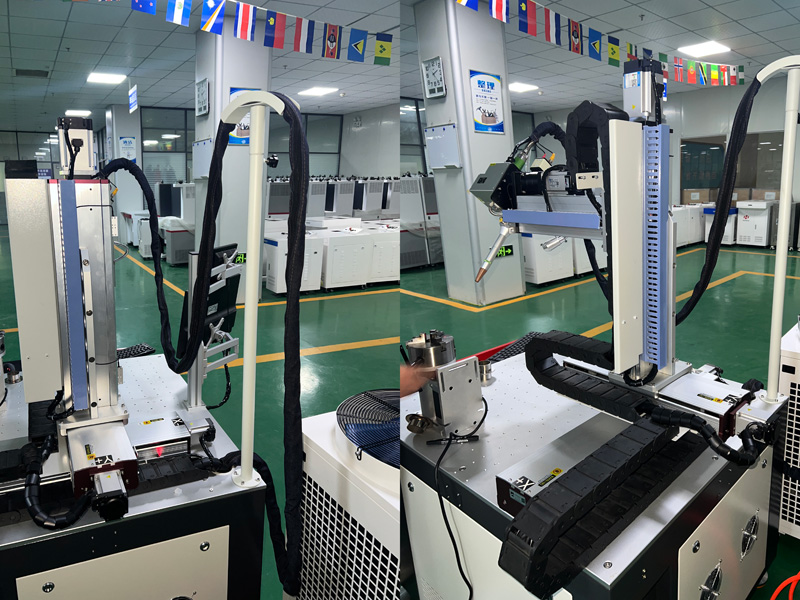
X, Y, Z Axis Rails
With the function of moving up and down, it can weld irregular products, and the Z axis has brake function.
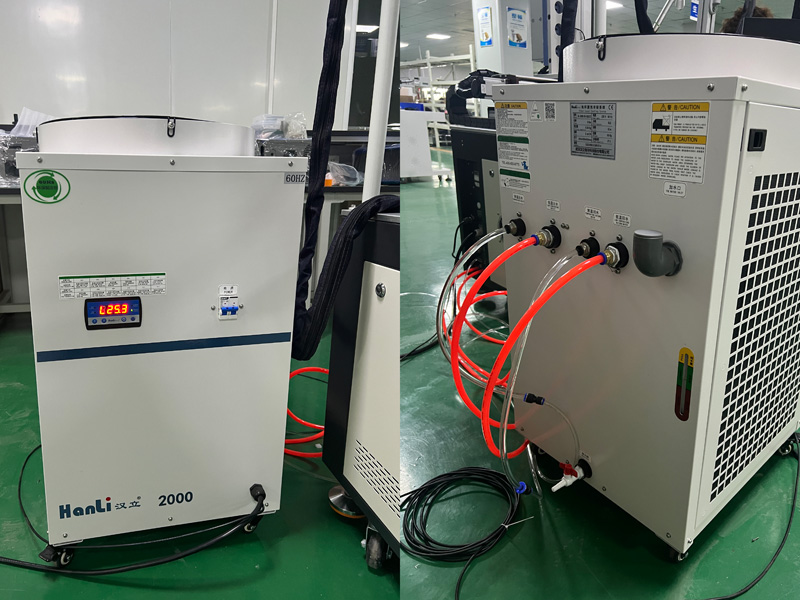
Water Chiller
The water chiller helps to cool the laser head.
The power chosen is based on the laser source power.
Automatic CNC Laser Welder Applications
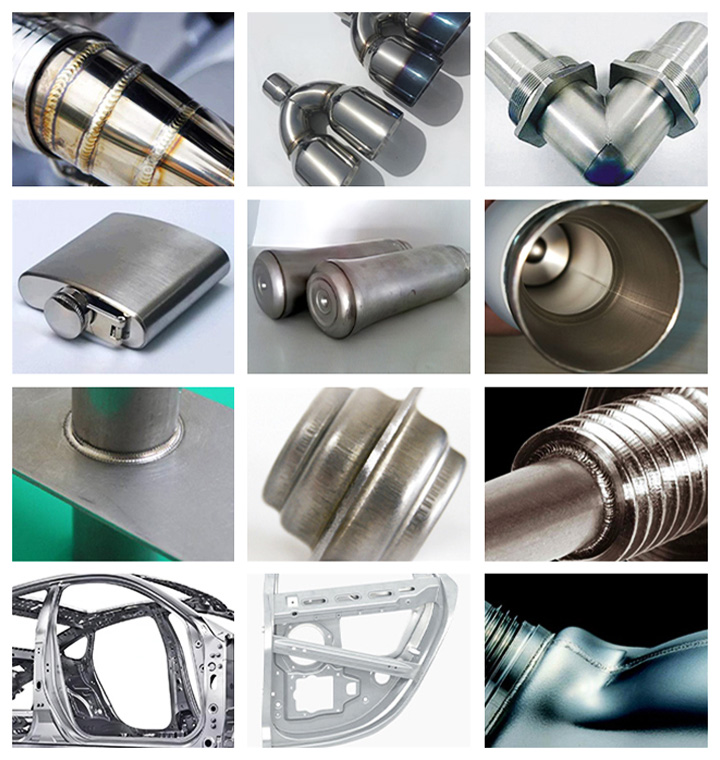
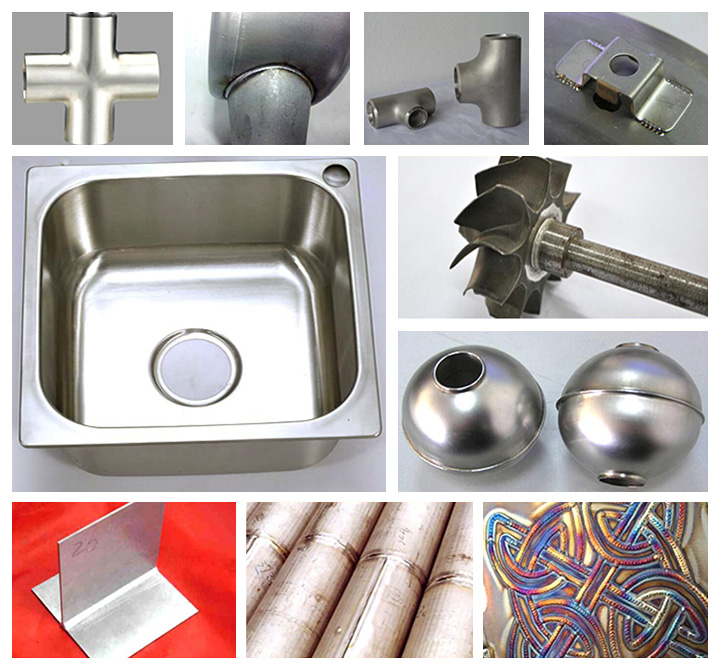
CNC automatic laser welder is mostly used in the automobile manufacturing industry, lithium battery industry, pillow plate heat exchanger, machinery manufacturing industry, furniture industry, sheet metal fabrication industry, power battery, electronic communication industry, metal connectors, kitchen and bathroom electrical equipment, mobile phone accessories (medium plate, nut), hardware, structural parts, automotive parts, medical equipment, and more precision parts. The automatic fiber laser welder is suitable for continuous welding of various metals like stainless steel, carbon steel, aluminum, copper, and titanium.
Automatic Fiber Laser Welding Projects
CNC Laser Welding vs. Traditional Welding: What's the Difference?
CNC laser welding and traditional welding are two distinct methods used for joining metal components, each with its advantages and applications. While traditional welding has been around for decades, laser welding is a modern alternative that offers higher precision, efficiency, and automation capabilities. Understanding the key differences between these methods can help businesses and professionals choose the best welding technique for their needs.
CNC laser welding utilizes a highly concentrated laser beam to fuse metals with pinpoint accuracy. This method produces minimal heat-affected zones, reducing warping and distortion in delicate materials. It is ideal for industries that require precision welding, such as aerospace, medical device manufacturing, and electronics. Additionally, CNC laser welding can be automated, allowing for consistent results and reduced labor costs. However, the initial investment in laser welding equipment is high, making it more suitable for high-value or mass-production applications.
On the other hand, traditional welding methods like MIG, TIG, and arc welding use heat and filler materials to join metals. These methods are widely used in construction, automotive repair, and heavy manufacturing due to their versatility and affordability. Traditional welding can handle thicker materials and works well in outdoor environments, but it often produces more heat distortion and requires skilled labor for high-quality results. While traditional welding equipment is less expensive upfront, it involves ongoing costs for consumables like electrodes, flux, and shielding gases.
Safety Tips for Operating an Automatic CNC Laser Welding Machine
Operating an automatic CNC laser welding machine requires strict safety measures to prevent injuries and ensure optimal performance. Since laser welding involves high-intensity beams, extreme heat, and electrical components, following proper safety protocols is crucial. Here are essential safety tips to keep in mind.
• Always wear laser safety goggles designed for the specific laser wavelength to protect your eyes from harmful radiation. Additionally, use heat-resistant gloves, protective clothing, and a face shield to prevent burns and exposure to intense light.
• Laser welding can produce fumes and vaporized metal particles that may be hazardous if inhaled. Use an effective fume extraction system or work in a well-ventilated environment to minimize exposure to harmful emissions.
• Before starting, verify that the machine settings match the material and welding specifications. Incorrect settings can lead to poor weld quality or create safety risks due to overheating and excessive power output.
• Ensure that the metal pieces being welded are firmly clamped in place to prevent shifting during operation. Unsecured materials can lead to misalignment, poor welds, or accidental exposure to the laser beam.
• Since laser welding generates intense heat, remove any combustible items such as paper, oil, and solvents from the workspace. This helps reduce the risk of fire and ensures a safer working environment.
• Laser beams can reflect off highly polished surfaces, posing a danger to nearby operators. Use appropriate shielding or anti-reflective coatings to minimize the risk of unintended laser exposure.
• Regularly check the machine's optics, cooling system, and electrical connections to ensure smooth operation. A well-maintained CNC laser welding machine reduces the likelihood of malfunctions and extends its lifespan.
How Wobble Beam Oscillation Improves Automated Weld Quality?
Modern CNC laser welding heads use wobble oscillation-controlled beam movement in circular, sine, or figure-eight patterns to spread energy across a wider seam than a fixed spot can achieve. This wider melt pool reduces porosity, minimizes undercut, and improves gap tolerance by up to 0.3 mm on parts where fit-up is imperfect. On thin-wall components like battery enclosures and sensor housings, small wobble amplitudes at high frequencies (200–500 Hz) distribute heat evenly enough to prevent burn-through while maintaining full penetration. For shops comparing automated welding against manual methods, the consistent wobble parameters programmed into a CNC path eliminate the bead-width variation inherent in handheld laser welding.
Fixture Design and Joint Fit-Up for Automated Laser Welding
Laser welding demands tighter joint fit-up than MIG or TI gaps should stay below 10% of material thickness, or under 0.1 mm for precision work. The CNC system can hold exact speed and focus, but it cannot compensate for parts that shift mid-cycle, so fixture rigidity is critical. Use purpose-built clamping jigs with locating pins and datum surfaces rather than generic welding tables. For circular and circumferential seams on pipes or cylinders, a rotary chuck or indexing positioner keeps the weld joint at a fixed focal distance as the part rotates under the stationary laser head. Investing in quality fixturing pays back immediately in reduced reject rates and eliminated rework across production runs.
Pre-Weld and Post-Weld Surface Preparation
Surface contamination oil films, oxide layers, paint residue, and moisture is the leading cause of porosity, spatter, and discoloration in laser welds. Manual solvent wiping is adequate for small batches, but high-volume CNC production benefits from integrating a fiber laser cleaning machine into the workflow. Laser cleaning vaporizes contaminants without abrasives or chemicals, leaving a bare metal surface that absorbs the welding beam uniformly. Post-weld, the same cleaning process removes heat tint and light oxidation from stainless steel seams, eliminating the need for pickling paste. Shops that weld and clean on a single platform should consider a 3-in-1 laser welder, cleaner, and cutter for maximum versatility.
Frequently Asked Questions
1. What joint types can a CNC laser welder handle?
Automated fiber laser welders support butt joints, lap seams, T-butt, corner, edge flange, spot welds, and circumferential seams. The CNC controller stores pre-programmed profiles for each joint geometry, so switching between types requires only a recipe change not mechanical retooling.
2. How tight does joint fit-up need to be for laser welding?
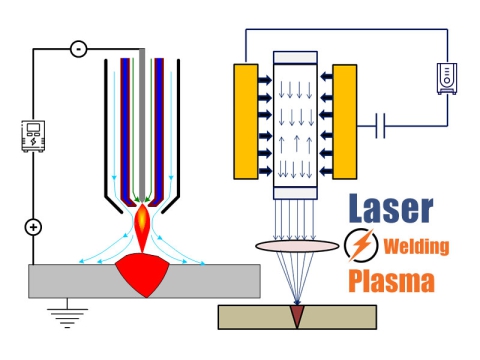
Gaps should not exceed 10% of material thickness, typically under 0.1 mm for precision assemblies. Wobble oscillation extends tolerance slightly, but fit-up remains far more critical than with arc welding processes. See how laser welding compares in our laser welding vs. plasma arc welding guide.
3. What causes cracking in CNC laser welds?
Hot cracking occurs when shrinkage forces exceed the strength of the partially solidified weld pool. Contributing factors include excessive cooling rate, high carbon content in the base metal, and inadequate weld-bead width. Reduce travel speed slightly and increase wobble amplitude to widen the fusion zone and relieve shrinkage stress.
4. Do I need shielding gas for every material?
Shielding gas is strongly recommended for stainless steel, aluminum, and titanium to prevent oxidation and porosity. Carbon steel tolerates welding without gas on cosmetically non-critical joints, but weld strength and appearance improve with argon shielding at 15–25 L/min.
5. How does a CNC laser welder differ from a robotic laser welding system?
A CNC gantry welder moves the laser head along linear XYZ axes over a stationary workpiece, ideal for flat panels, enclosures, and fixtured assemblies. A 3D robotic laser welding system adds multi-axis articulation for complex 3D contours on automotive frames or irregular geometries.
6. What daily maintenance does an automatic laser welder require?
Inspect the protective lens for smoke residue and wipe with lint-free cloths each shift. Verify shielding gas flow rate and check coolant levels in the chiller unit. Clean fixture jaws and locating pins of spatter buildup to maintain clamping accuracy. Review the full list of laser welding machine benefits and maintenance tips.
7. Can a CNC laser welder handle reflective metals like copper and brass?
Yes, but reflective metals require higher initial peak power to establish the keyhole because they bounce a larger percentage of the beam energy. Once the melt pool forms, absorption increases and stable welding proceeds. Use wobble mode and nitrogen shielding to reduce spatter on copper alloys.
Customers Say - Don't take our words as everything. Find out what customers say about our products and services they have purchased, owned or experienced.
Kenneth Hass
Further Reading
Related Stories
Related Products