How to Use ATC CNC Router with Syntec CNC Controller?
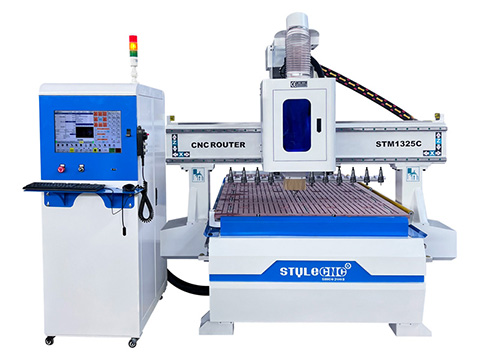
You can learn how to use ATC CNC router machine with Syntec CNC controller, and understand how to operate an automatic tool changer spindle kit in this video.
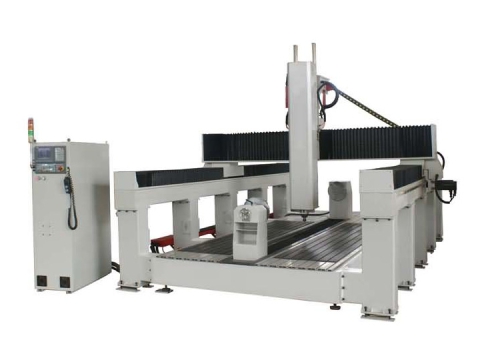
This is a complete guide (user-friendly for beginners and professionals) to carving and cutting exquisite 3D foam sculptures and molds using 4-axis CNC router.
The world of foam carving has been revolutionized by CNC technology, and the 4-axis CNC router stands at the forefront of this transformation. Whether you're crafting elaborate theme park props, architectural models, automotive prototypes, or intricate art installations, understanding how these machines work and choosing the right one can mean the difference between good results and exceptional ones.
At STYLECNC, we've spent over two decades helping fabricators, artists, and manufacturers harness the power of CNC foam machining. In this comprehensive guide, we'll explore everything you need to know about 4-axis CNC routers for foam carving, from fundamental principles to practical applications.
Traditional 3-axis CNC routers operate along the X, Y, and Z axes, moving left-right, forward-backward, and up-down. While these machines handle flat stock and 2.5D reliefs effectively, they struggle with true three-dimensional forms that require tool access from multiple angles.
The fourth axis introduces rotation, typically through a rotary attachment that spins the workpiece while the cutting tool operates. This capability transforms foam carving possibilities entirely. Instead of repositioning large foam blocks manually between operations, a 4-axis CNC router can machine cylindrical objects, undercuts, and complex organic shapes in a single setup.
For foam carving specifically, this rotational capability means you can produce full-round sculptures, columns, architectural balusters, character figures, and automotive body molds without the tedious process of flip machining that 3-axis systems require.
Foam materials, particularly EPS (expanded polystyrene), XPS (extruded polystyrene), and polyurethane, present unique advantages for CNC routing:
High Material Removal Rates: Unlike metals or hardwoods, foam doesn't require slow feed rates or extensive cooling. A well-configured 4-axis EPS CNC router can remove material at exceptional speeds, dramatically reducing production times for large-scale projects.
Minimal Tool Wear: Foam's softness means cutting tools maintain their edge far longer than when machining harder materials. This reduces ongoing costs and ensures consistent surface quality throughout extended production runs.
Lightweight Workpiece Handling: Even massive foam blocks remain manageable for rotary systems. A 4-axis setup can rotate large-scale sculptures that would be prohibitively heavy in other materials.
Excellent Surface Finish Potential: With proper toolpath strategies and sharp cutters, foam yields remarkably smooth surfaces that require minimal post-processing before coating or finishing.
The entertainment industry has embraced CNC foam carving for producing props, set pieces, scenic elements, and character sculptures. The 4-axis CNC foam cutter excels at creating life-sized figures, themed architectural elements, and immersive environment details that populate amusement parks, museums, and film productions worldwide.
STYLECNC's foam routing solutions have helped countless studios produce hero props and scenic elements that captivate audiences. The ability to machine full-round characters in a single rotary setup accelerates production timelines significantly compared to traditional sculpting methods.
Before committing to expensive tooling, automotive designers rely on foam models to evaluate proportions, aerodynamics, and aesthetic appeal. A foam-machined prototype can be produced in days rather than weeks, allowing rapid design iteration.
The 4-axis capability proves particularly valuable for car mold making, where complex body panels, interior components, and aerodynamic elements require machining from multiple angles. Check patterns, clay model bucks, and wind tunnel models all benefit from rotary foam machining.
Architectural firms use CNC-carved foam to create detailed building models, ornamental façade elements, and custom signage. Columns, capitals, cornices, and decorative brackets that would cost fortunes in carved stone can be produced affordably in coated foam.
Our foam molding machine projects showcase the remarkable range of architectural applications our customers have achieved, from historical restoration replicas to contemporary artistic installations.
Custom protective packaging for sensitive equipment, product display pieces, and industrial molds all fall within the 4-axis foam router's capabilities. The precision these machines deliver ensures components nest perfectly and protect valuable items during shipping.
Foam projects often involve larger-than-average workpieces. When selecting a 4-axis foam carving system, ensure the machine's travel accommodates your typical project sizes with comfortable margins. STYLECNC offers configurations ranging from compact 3-axis EPS foam CNC routers for smaller projects to massive gantry systems capable of machining full-scale vehicle bodies.
While foam doesn't demand the sheer horsepower needed for metal cutting, adequate spindle power ensures consistent surface quality when removing large volumes rapidly. More importantly, spindle speed matters. Higher RPM combined with optimized feed rates produces cleaner cuts and better finishes in foam materials.
The fourth axis must offer sufficient rotation speed for efficient machining while maintaining positional accuracy. Look for systems with robust servo drives and minimal backlash in the rotary mechanism. The rotary's through-hole diameter and tailstock configuration should accommodate your typical workpiece sizes.
STYLECNC's 4-axis CNC router with rotary systems feature industrial-grade rotary attachments designed for continuous production environments.
Foam machining generates substantial debris. Effective dust collection isn't optional. It protects operator health, maintains visibility during operations, and prevents static buildup that can interfere with electronics. Ensure your facility can accommodate appropriate dust extraction systems.
For projects requiring extremely complex undercuts, true simultaneous multi-axis motion, or the utmost in surface finish quality, a 5-axis CNC router for 3D milling and carving may be worth considering. The fifth axis adds head tilting capability, allowing the tool to maintain optimal cutting angles across compound-curved surfaces.
Our 5-axis CNC router for foam working demonstrations reveal the extraordinary geometric freedom these advanced machines provide. However, 4-axis systems remain the sweet spot for most foam carving applications, offering excellent capability at more accessible price points.
Success in CNC foam carving depends as much on software as hardware. The CAM (Computer-Aided Manufacturing) software translates your 3D models into toolpaths the machine can execute. Key considerations include:
Roughing Strategies: Remove bulk material efficiently with large-diameter tools and aggressive step-overs before transitioning to finishing passes.
Finishing Approaches: Achieve smooth surfaces through optimized step-over distances, appropriate tool selection, and climb milling techniques that work with foam's properties.
Rotary Toolpath Generation: Specialized CAM modules handle the fourth axis, coordinating rotation with linear moves to maintain consistent tool engagement.
STYLECNC provides comprehensive CNC machine software guidance and training to ensure customers maximize their equipment's potential from day one.
Selecting the right CNC foam carving solution requires understanding your specific application requirements, production volumes, and growth trajectory. STYLECNC's technical consultants work directly with customers to configure optimal systems, whether that's a dedicated 4-axis foam router or a versatile ATC CNC router capable of handling both foam and harder materials.
Explore our complete 2D and 3D CNC foam router projects gallery to see the remarkable work our customers produce daily. From delicate artistic pieces to massive industrial molds, these real-world examples demonstrate what's achievable with proper equipment and expertise.
Ready to transform your foam carving capabilities? Contact STYLECNC for a personalized consultation and discover how our 4-axis CNC routers can elevate your production to new heights. With over 20 years of CNC manufacturing experience, worldwide shipping to 180+ countries, and comprehensive service and support, we're your trusted partner in CNC excellence.
Prices range from $8,000 to $50,000+ depending on work envelope size, spindle power, and brand. Entry-level 4-axis foam routers from STYLECNC start around $10,000, while large-format industrial systems exceed $30,000.
EPS (expanded polystyrene) is the most popular choice due to its low cost, light weight, and easy machinability. For higher detail and durability, use HDU (high-density urethane) or XPS (extruded polystyrene). Density between 1-2 lb/ft³ works best for large sculptures.
Feed rates of 300-600 inches per minute are common for roughing passes in EPS foam. A medium-sized sculpture (3ft tall) typically takes 2-6 hours, depending onthe detail level. Foam machines 5-10x faster than wood or plastic.
Yes, most wood CNC routers handle foam excellently. The key requirements are adequate dust collection and appropriate tooling. Ball nose end mills (6-12mm) work well for 3D foam carving. No machine modifications needed.
You need CAM software with 4-axis/rotary support. Popular options include Vectric Aspire, ArtCAM, Fusion 360, and RhinoCAM. Most 4-axis CNC routers from STYLECNC include compatible software or recommendations for your specific application.
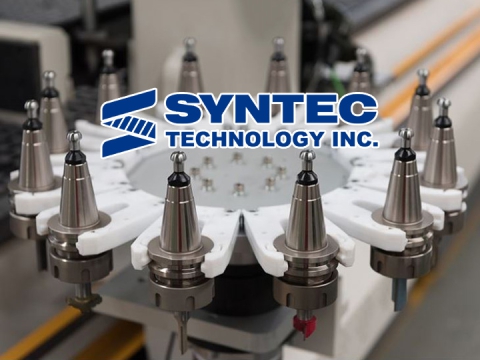
You can learn how to use ATC CNC router machine with Syntec CNC controller, and understand how to operate an automatic tool changer spindle kit in this video.

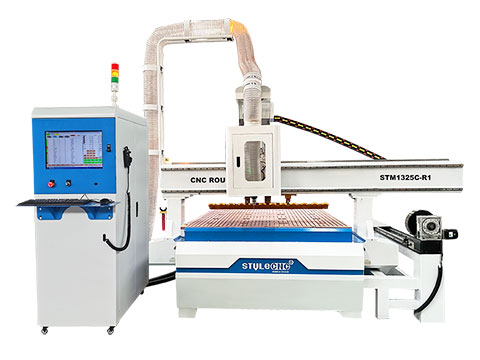
4-axis CNC router machine 1325 with a 4x8 rotary table can perform flat cutting, relief carving, and 3D cylinder milling for popular woodworking projects.
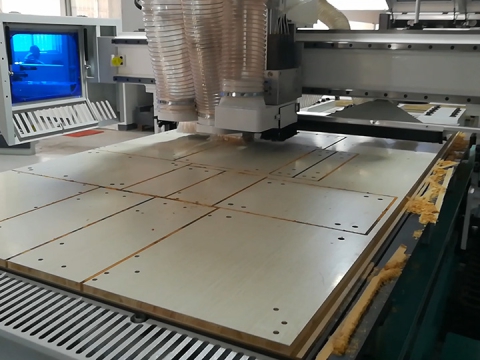
Automatic smart CNC router for cabinet furniture making has multi-functions of carving, engraving, milling, slotting, grooving, cutting, and drilling.