The machine is excellent, easy to operate. And STYLECNC will answer any and all questions with great response time, even on weekends. This company genuinely cares about his product and his customers. Great product, great service, buy this machine!
Automatic CNC Metal Milling Machine for Sale
Last Updated: 2026-05-08 08:37:04
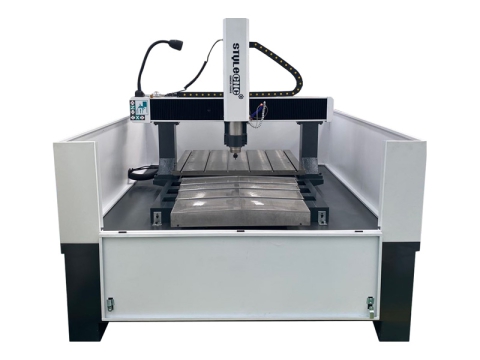
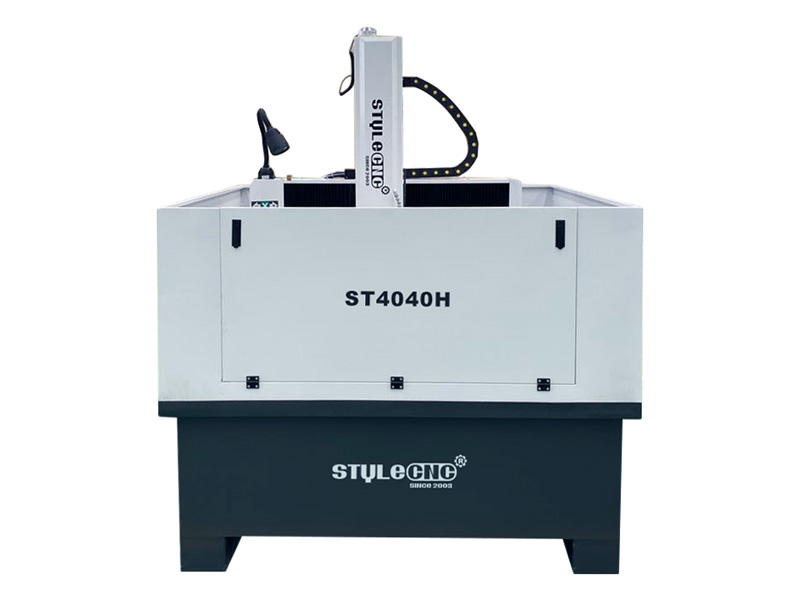
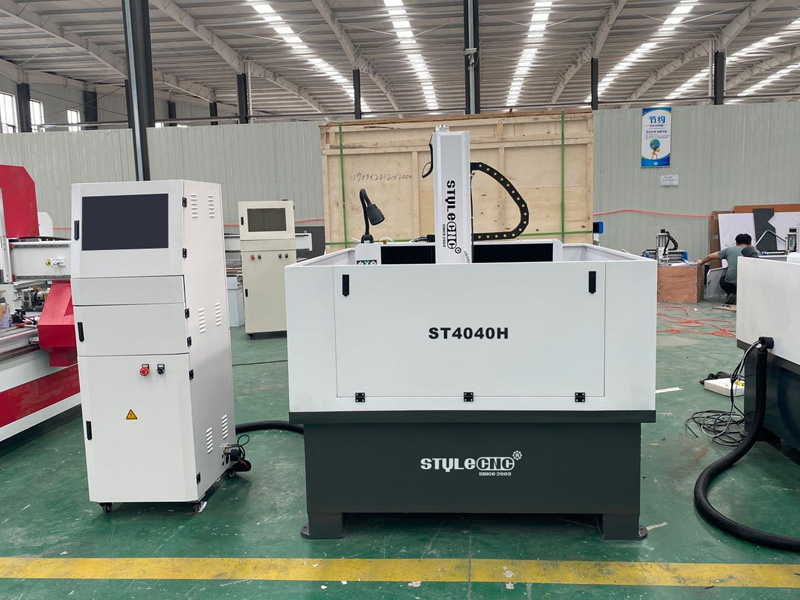
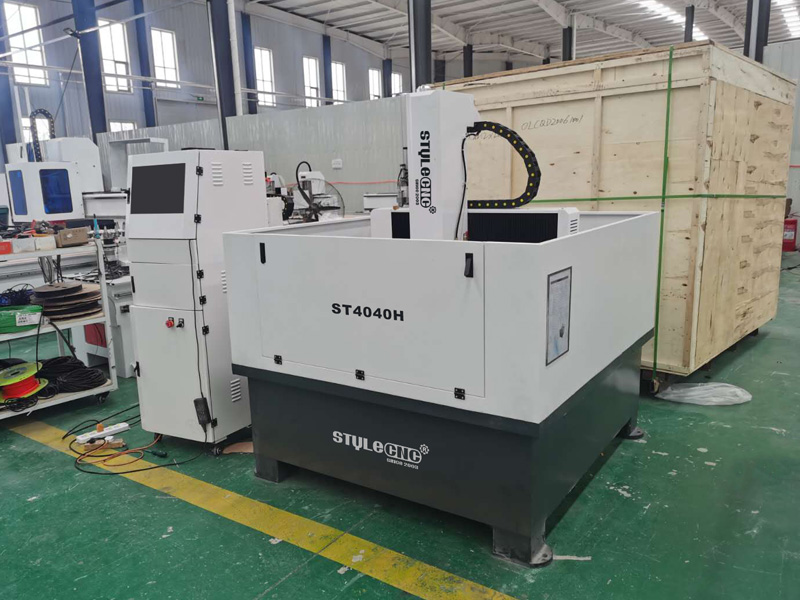
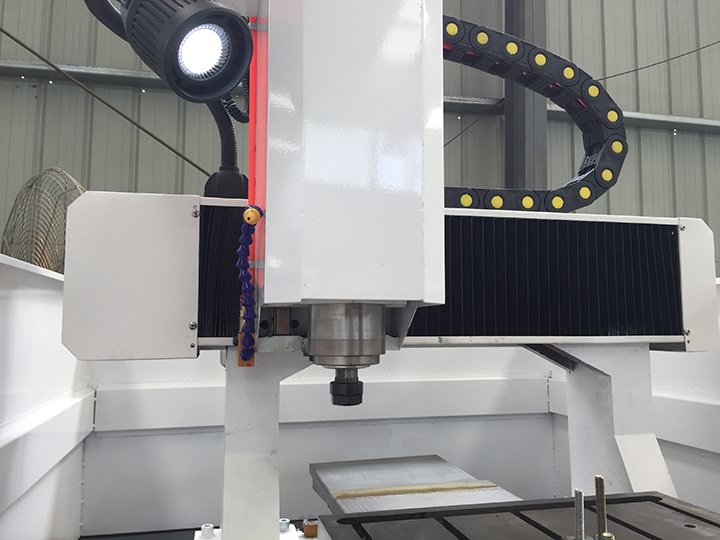
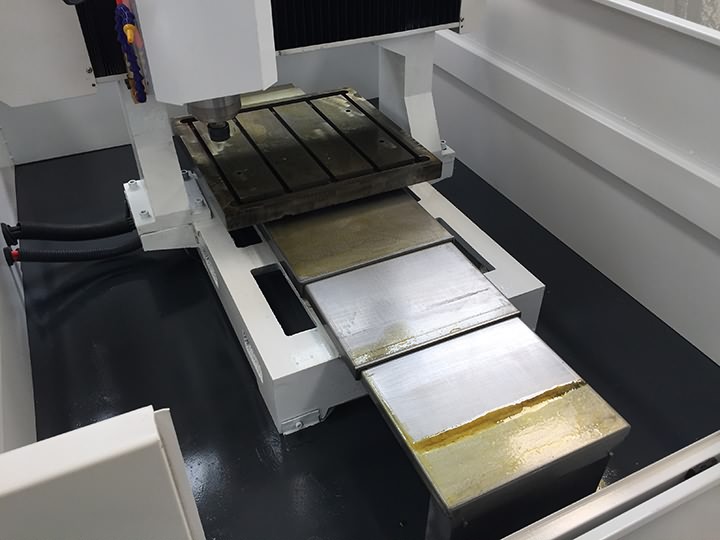
The STYLECNC ST4040H automatic CNC metal milling machine is a compact, cast-iron precision mill built for contouring, profiling, and cavitation work on steel, brass, copper, and aluminum. With a 400×400×200mm working area, ±0.02mm repeatability, a 3.2kW water-cooled spindle running up to 24,000 RPM, and an NC studio control system with breakpoint memory, it produces mold parts, badges, panels, and detailed three-dimensional surfaces with the consistency of a much larger production machine. Pricing starts at $6,000 for the basic edition.
- Brand - STYLECNC
- Model - ST4040H
- Maker - Jinan Style Machinery Co., Ltd.
- Table Size - 400mm x 400mm
$6,000 - $10,000 for Basic & Pro Editions
- 360 Units in Stock Available for Sale Every Month
- Meeting CE Standards in Terms of Quality & Safety
- One-Year Limited Warranty for Entire Machine (Extended Warranties Available for Major Parts)
- 30-Day Money Back Guarantee for Your Purchase
- Free Lifetime Technical Support for End-Users & Dealers
- Online (PayPal, Alibaba) / Offline (T/T, Debit & Credit Cards)
- Global Logistics and International Shipping To Anywhere
Built for Real Metal Work, Not Light Engraving
Many compact mills marketed for metal struggle once the cut depth or material hardness rises. The ST4040H solves that with a tempered cast-iron frame, Hiwin linear rails, and high-precision ball screws across all axes, giving the rigidity needed for production runs in steel and dense alloys.
The 3.2kW water-cooled brushless spindle holds tight tolerances over long shifts without thermal drift, and the breakpoint memory function resumes the program exactly where it stopped after a power interruption. For shops weighing this against larger options across the metal CNC machine category, the ST4040H lands in the sweet spot for benchtop precision work.
What is a CNC Metal Milling Machine?
A CNC metal milling machine is a computer-controlled machine tool for shaping and cutting metal materials with high precision. It works by using CNC (Computer Numerical Control) technology that instructs the movements through a preprogrammed set of commands. These machines work at very high levels of accuracy, moving the rotating cutting tools to remove material and shape the metal into the desired form. Applications range from simple cuts to detailed patterns on different types of metals: steel, aluminum, brass, copper, and even titanium.
CNC metal milling machines are very important in industries dealing with automotive, aerospace, and manufacturing due to the efficiency they provide in the production of complex parts. Because machines can be adjusted to different shapes and sizes, they could thus act upon small or large production runs. Overall, CNC metal milling machines save time, enhance product quality, and repeatable precision, proving to be a very essential asset when taking on any kind of metalwork.

Automatic CNC Metal Milling Machine Features
• The machine bed and milling table, having undergone high-temperature tempering treatment, possess exceptional rigidity and stability.
• The 3.2kW water-cooled spindle operates with low noise levels, ensuring stable performance during prolonged operation.
• High-quality, all-steel linear guide rails offer superior precision, significantly enhancing the stability and durability of the machine frame.
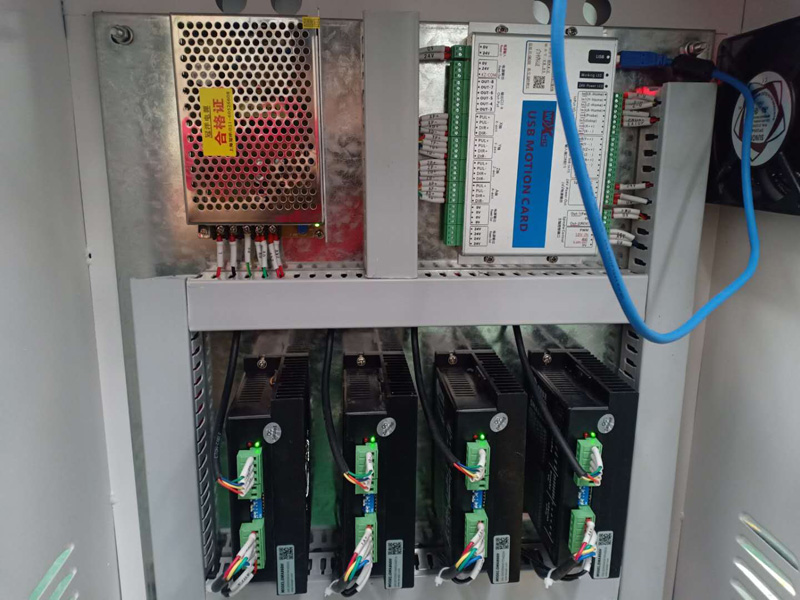
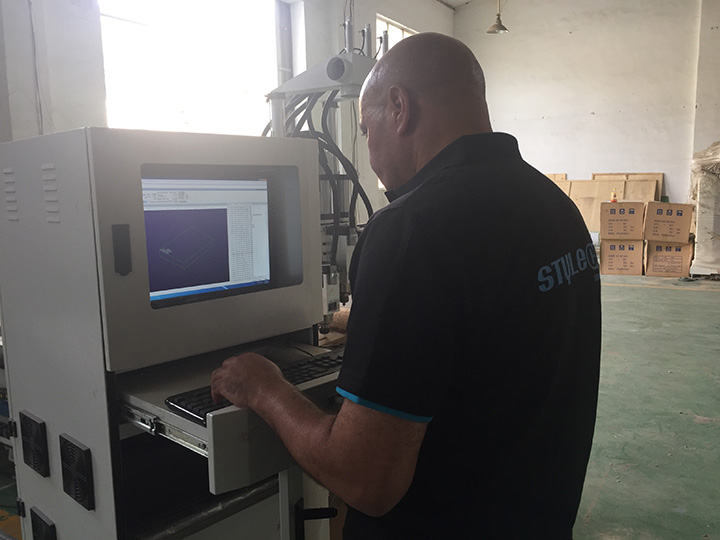
• Integrated with an advanced CNC system (with optional NC Studio or DSP control systems), featuring a breakpoint memory function, enabling it to resume unfinished machining tasks following power outages or other interruptions.
• Professional-grade, highly flexible, bend-resistant cables boast a flex life of up to 70,000 cycles.
• An automatic oil lubrication system offers simple operation (one-touch start), while dustproof and waterproof mechanisms on both the X and Y axes make routine maintenance effortless and convenient.
• High-quality, high-precision, zero-backlash ball screws ensure smooth transmission, thereby guaranteeing the machine achieves extremely high machining accuracy.
• A renowned-brand water-cooled brushless spindle delivers low noise and powerful cutting capabilities, ensuring the equipment is fully capable of handling extended periods of continuous operation.
• Featuring a superior three-axis dustproof structural design, the machine effectively extends its operational lifespan.
• High-performance drive motors ensure that the machine maintains exceptional machining precision even while operating at high speeds.
• A carefully curated selection of top-tier machine components minimizes the equipment's failure rate to the greatest extent possible.
• Equipped with a suite of functions—including breakpoint memory, power-off resumption, and machining time estimation—the machine ensures that machining tasks can be successfully completed even in the event of unforeseen circumstances.





Core Specifications and Compatible Materials
| Specification | ST4040H |
|---|---|
| Working Area (X/Y/Z) | 400 × 400 × 200 mm |
| Repositioning Accuracy | ±0.02 mm |
| Spindle | 3.2 kW water-cooled, 0–24,000 RPM |
| Frame & Rails | Cast iron frame, Hiwin linear bearings, ball screws |
| Rapid Travel | 8,000 mm/min |
| Control System | NC studio with breakpoint memory |
| Software Compatibility | ArtCAM, UCANCAM, Type3, standard CAD/CAM |
The ST4040H handles steel, iron, brass, copper, aluminum, foam, plastics, and hardwoods. Real-world output across these materials is documented in the aluminum mold milling samples gallery and the copper and brass engraving samples by CNC milling machine, which show finish quality straight off the spindle.
Applications and Buyer Fit
Typical buyers include mold shops, prototyping studios, ironware producers, watchmakers, signage manufacturers, and small parts suppliers serving the automotive and electronics sectors. The 400×400mm bed suits short-run mold making, badges, panels, and detailed three-dimensional surface finishing on larger molds.
✓ Shoe molds, drop molds, and injection mold inserts
✓ Eyeglass frames, watch components, and small precision parts
✓ Brass nameplates, badges, and engraved signage
✓ Three-dimensional relief work on aluminum and copper
Operators new to milling can shorten their learning curve with the step-by-step guide on how to use a CNC milling machine, which walks through setup, tool selection, and safe feeds and speeds.
Automatic CNC Metal Milling Machine Technical Parameters
| Model | ST4040H |
| X,Y,Z Working Area | 400x400x200mm |
| X,Y,Z repositioning Positioning Accuracy | ±0.02mm |
| Frame | Cast iron |
| X, Z Structure | Ball Screw |
| Y Structure | Hiwin Rail Linear Bearings and Ball Screw |
| Max. Rapid Travel Rate | 8000mm/min |
| Spindle Power Motor | 3.2kw water cooling spindle |
| Spindle Speed | 0-24000RPM |
| Drive Motors | Stepper system |
| Working Voltage | AC220V/50/60Hz |
| Command Language | G code |
| Operating System | NC studio control system |
| Flash Memory | 128M(U Disk) |
| X,Y Resolution | <0.01mm |
| Software Compatibility | ArtCAM,UCANCAM,Type3 and other CAD or CAM software |
| Net Weight | 1000KG |
| Gross Weight | 1200KG |
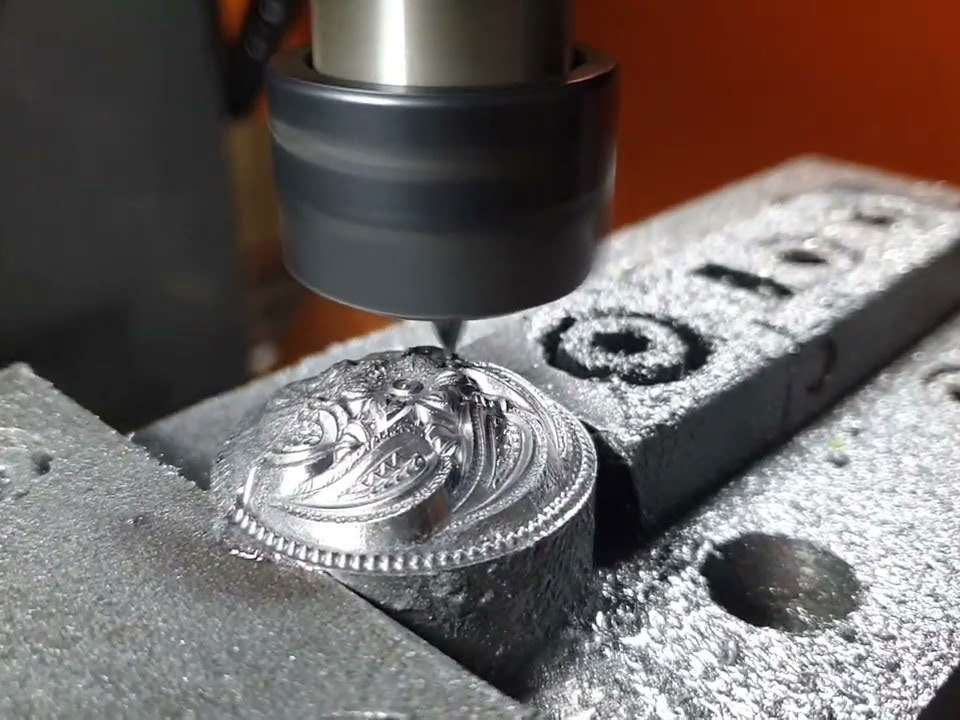
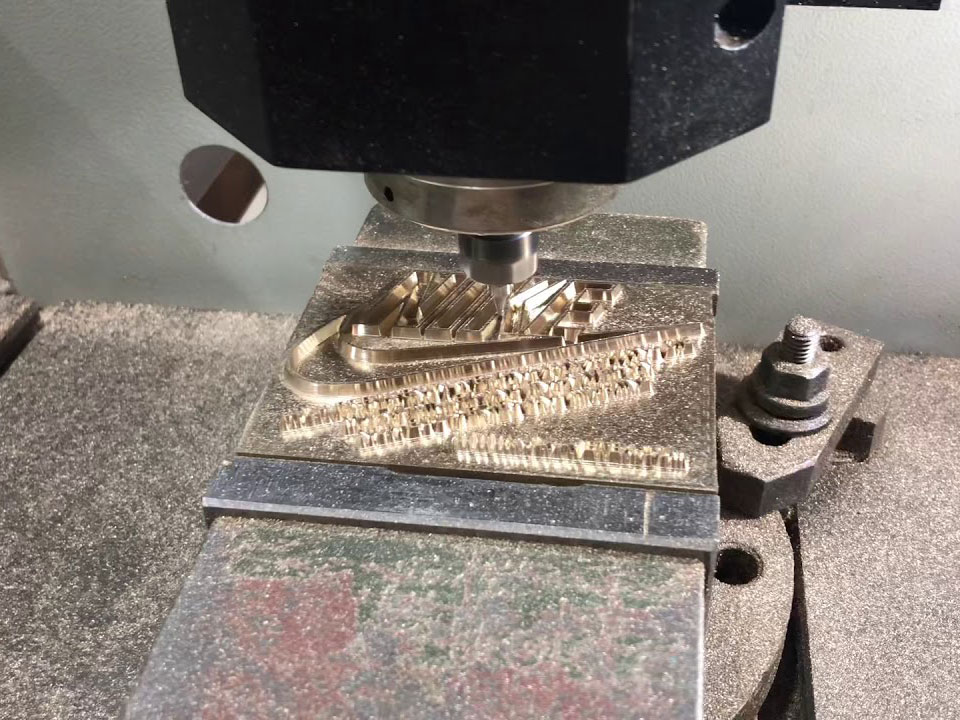
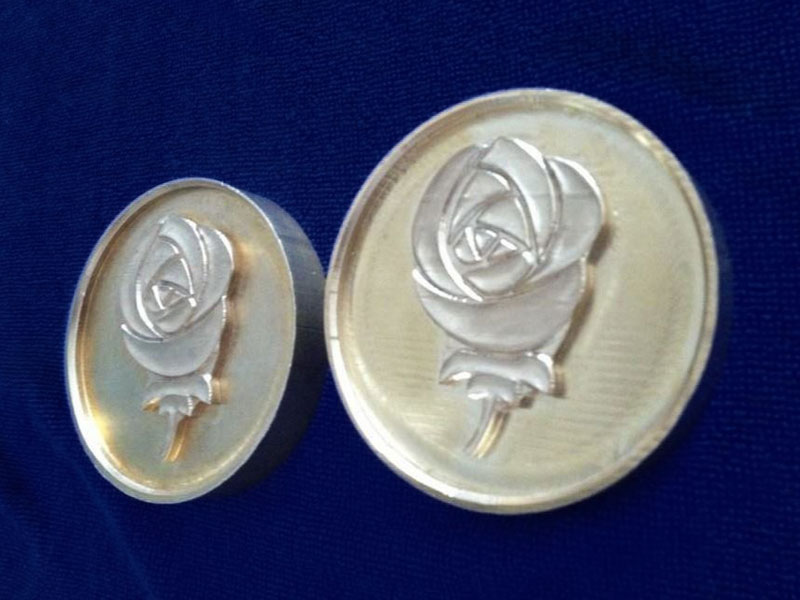
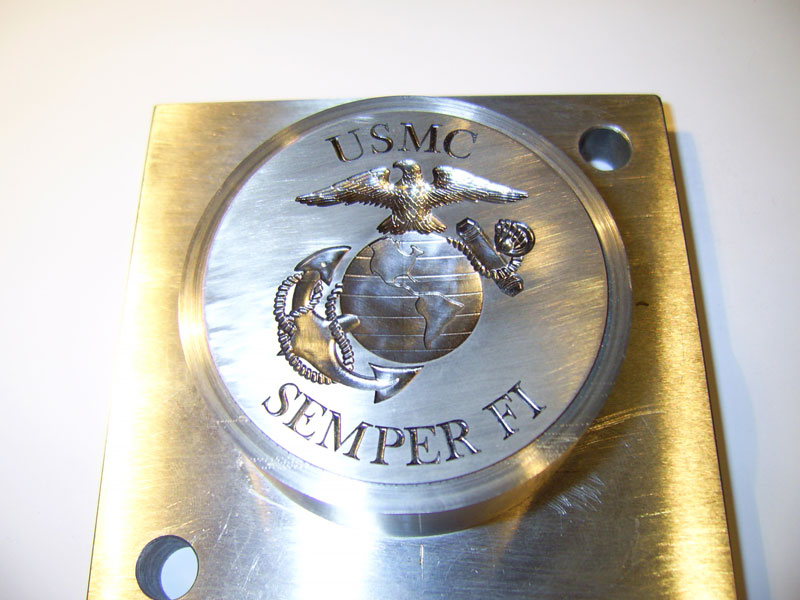
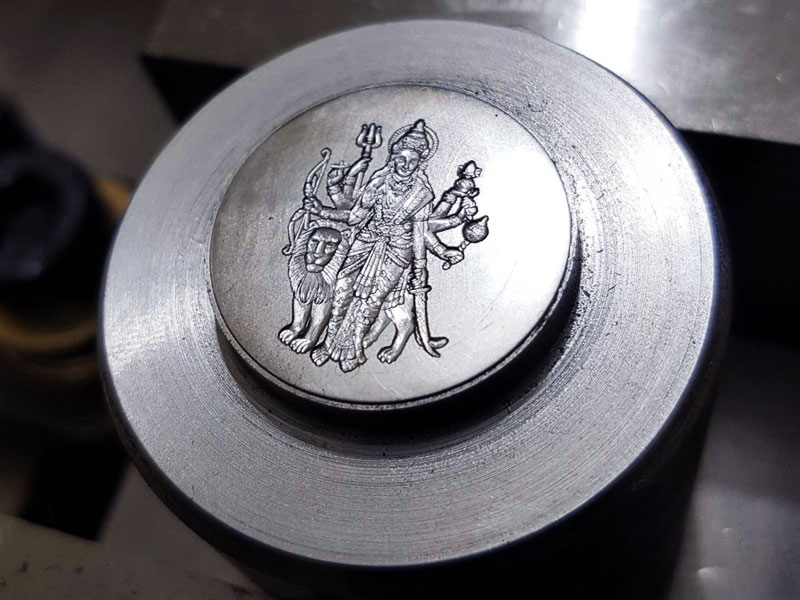
CNC Metal Milling Machine Projects
Choosing the Right CNC Metal Milling Machine for You
Finding the right CNC metal milling machine can make a huge difference in productivity and quality. Here are key aspects to consider to ensure you select the best machine for your needs.
Machine Size and Power
The size and power of a CNC milling machine determine its capacity and capabilities. Small workshops or individual users may prefer compact models that save space while meeting basic metal milling needs. Larger setups with high production demands will benefit from more powerful models that can handle tougher metals and larger pieces.
Precision and Accuracy
Precision is crucial when working with metal, especially for industries like aerospace and automotive. Look for machines with high-quality linear guides and stable frames, as these features help maintain accuracy. High-speed spindles and a reliable control system also contribute to reducing errors and creating precise, repeatable cuts.
Speed and Efficiency
Consider the machine's speed and the control you have over its operation. Machines with variable speed settings allow adjustments based on different metals or specific project needs, improving efficiency. A machine with a faster operation can increase productivity by reducing the time required to complete each job.
Software Compatibility
A CNC machine should be compatible with the CAD or CAM software you use for design and programming. This compatibility ensures seamless transfer of designs and easy operation. Most modern CNC milling machines integrate with popular software, but it's essential to verify to avoid issues later on.
Training and Support
Good training and support can make all the difference in operating a CNC milling machine successfully. Many reputable brands offer user guides, technical support, and parts availability, which helps minimize downtime. Knowing that support is available can provide peace of mind, especially for beginners or when upgrading to a more advanced machine.
Benefits of Using an Automatic CNC Milling Machine
Automatic CNC milling machines bring a wide range of benefits, from increased productivity to enhanced precision. Here's how these machines can improve operations for many industries.
Increased Automation
Automatic CNC machines operate independently after programming, reducing the need for constant supervision. This automation allows operators to focus on other tasks, boosting overall productivity. Continuous operation without breaks also helps meet high production demands efficiently.
Enhanced Precision
With programmable settings, automatic CNC milling machines achieve high levels of accuracy. This precision is essential for creating identical parts, especially in industries that require strict quality standards. Minimal variation in each piece ensures consistent quality, reducing waste and improving customer satisfaction.
Improved Safety
Automatic CNC machines minimize direct contact between operators and cutting tools, reducing the risk of accidents. This safety benefit creates a safer work environment, particularly in high-demand production settings. Less manual handling of materials also contributes to operator comfort and long-term workplace safety.
Consistent Quality and Repeatability
Automatic CNC milling machines are designed for large-scale production, offering consistent quality across batches. This repeatability is beneficial when manufacturing parts in bulk, as it ensures each piece meets quality standards. Reliable and consistent output can also reduce the need for quality inspections and rework.
Cost-Effectiveness
Automated CNC machines help reduce material waste by producing fewer errors and ensuring higher accuracy. They also cut labor costs since less direct supervision is needed. Over time, the efficiency and precision of automatic CNC milling machines contribute to lower production costs and faster returns on investment.
Pricing, Service, and What to Compare It Against
The ST4040H is offered in basic and pro editions ranging from $6,000 to $10,000, with 360 units in stock monthly, CE certification, a one-year limited warranty, and free lifetime technical support. For a complete view of how this compares to other configurations, the metal CNC machine cost analysis breaks down typical price bands by power, bed size, and feature set.
Shops needing higher production throughput or unattended runs may also want to evaluate the full-automatic CNC milling machine for mold making or the CNC moulding machine with automatic tool changer, both of which extend the same precision platform with ATC capability for multi-tool jobs.
FAQ
Can the ST4040H actually cut hard metals like steel and stainless, or is it only realistic for aluminum?
The cast-iron frame, 3.2kW water-cooled spindle, and Hiwin linear rails give the rigidity needed for steel and stainless cutting at conservative depths. Practical guidance is light passes (0.5–1mm depth), 1500–3000 RPM, carbide tooling, and flood coolant. Production-rate steel is realistic; heavy roughing belongs on larger industrial machines.
What tolerance can I realistically hold on a finished metal part?
The factory-stated repositioning accuracy is ±0.02mm, which translates to typical real-world part tolerances of ±0.025 to ±0.05mm on aluminum and brass under controlled conditions. Achieving this requires a properly tightened workholding setup, a trammed spindle, sharp tooling, and stable shop temperature. Long, thin parts will see more deflection.
Does the spindle need flood coolant, or is mist or air sufficient?
Flood coolant is recommended for steel, stainless, and any deep cut in aluminum to extend tool life and protect surface finish. Air blast or mist is acceptable for shallow aluminum work and brass, where chips clear easily and heat buildup is minimal. Brass and copper produce the best finishes dry.
What software is compatible with the NC studio control system?
NC Studio accepts standard G-code files from any modern CAM program, including Fusion 360, Mastercam, ArtCAM, UCANCAM, Type3, and BobCAM. Files transfer through USB or Ethernet into the controller's onboard memory. The breakpoint memory function resumes interrupted jobs at the exact tool position, which prevents scrap parts from power events.
What workshop power and infrastructure does this machine need?
The ST4040H runs on 220V single-phase power as standard, which suits most workshop installations without electrical upgrades. Total draw is roughly 4–5 kW including the spindle, control box, and water chiller. A solid bench or fabricated stand is essential, since vibration absorption depends as much on the mounting structure as the cast-iron frame itself.
Does the spindle change tools automatically, or is this a manual tool change machine?
The ST4040H base configuration uses manual tool changes through an ER25 collet system, which is standard for benchtop metal mills at this price band. Operators preset multiple holders for fast swaps. For multi-tool jobs requiring true automation, larger STYLECNC platforms with 8 to 24-position automatic tool changers are available.
What is the realistic learning curve for an operator new to metal CNC?
Operators with prior CAD experience typically reach competent unattended jobs within 2–3 weeks. The first week covers tramming, workholding, and basic feeds and speeds. The second week introduces multi-pass roughing strategies. Most early scrap parts come from incorrect chip-load calculations, not machine limitations, so investing time in feeds-and-speeds calculators pays off quickly.
Customers Say - Don't take our words as everything. Find out what customers say about our products and services they have purchased, owned or experienced.
Ramil Abdullayev
Further Reading
Related Products